


D2C brands don’t usually break because demand disappears.
They break because demand works.
Orders increase. Traffic climbs. Campaigns land. And suddenly, customer service starts buckling under the weight of its own success. Not loudly. Quietly. One delayed reply. One repeated question. One support agent is trying to stay polite while the queue keeps growing.
That’s the real moment when the decision to Automate Customer Service for D2C stops being theoretical and becomes unavoidable.
Why D2C Support Cracks So Fast
D2C customers expect immediacy. They buy directly from you, not a marketplace buffer. That changes the relationship.
They want to know where their order is.
They want clarity on delivery timelines.
They want reassurance before and after purchase.
None of this is unreasonable. It’s just relentless.
At a small scale, human teams handle it well. At the growth scale, repetition takes over. The same questions arrive again and again, and attention becomes the bottleneck. Tone slips before speed does. Customers sense it immediately.
Support doesn’t fail because people stop caring. It fails because caring all day is unsustainable without structure.
What It Actually Means to Automate Customer Service for D2C
Let’s clear something up.
An exei Automate Customer Service for D2C is not to remove humans from the loop. That’s the mistake. Automation isn’t about replacing empathy. It’s about protecting it.
Automation takes over the predictable layer.
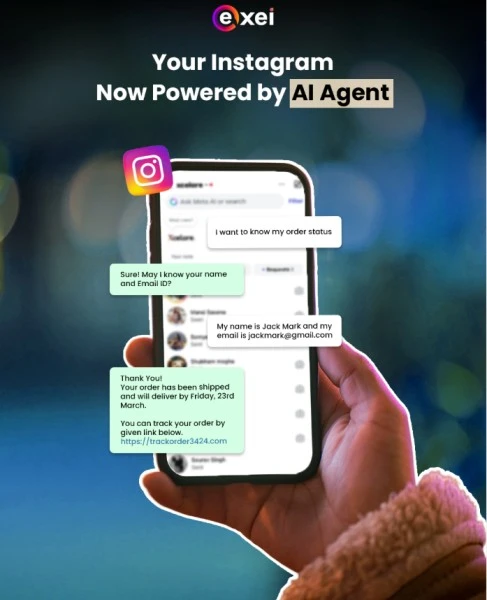
Order status.
Shipping updates.
Return eligibility.
Product availability.
Basic account questions.
These conversations don’t require creativity. They require speed and consistency. Automation delivers both without fatigue. Humans step in when judgment, negotiation, or emotion shows up. That handoff is not a failure. Its design is working properly.
Speed Changes Customer Behavior
This part is underestimated constantly.
Fast replies calm people down. Even imperfect answers delivered quickly outperform perfect answers delivered late. When customers feel acknowledged, they stop escalating just to be heard. They stop repeating themselves. Conversations shorten.
I’ve seen D2C brands reduce ticket volume simply by responding faster at the first touchpoint. Not by adding more agents. By fixing timing.
Automation doesn’t feel robotic when it’s fast. It feels respectful.
Why Over-Automation Backfires
Enthusiasm ruins a lot of good ideas.
I’ve seen D2C brands deploy bots that constantly push offers too early and ask questions nobody asked for. It backfires fast. Customers feel chased instead of helped. Trust erodes quietly.
Good automation behaves differently. It waits. It responds when invited. It escalates early when nuance appears. It doesn’t pretend to understand emotion it can’t handle.
When you automate customer service for D2C properly, most people don’t even notice the automation. They just notice that things move.
Where Automation Has the Biggest Impact
Not everywhere. Specific moments.
Product pages where confusion stalls decisions.
Cart pages where hesitation peaks.
Post-purchase windows where anxiety replaces excitement.
Support inboxes drowning in repetition.
These are pressure points. Automation smooths them quietly. No pop-up aggression. No forced conversations. Just answers at the right time.
That timing keeps momentum intact, which in D2C matters more than most conversion tricks.
Escalation Is Where Trust Lives
This deserves its own emphasis.
Bad automation traps customers. Good systems know when to step aside. When a conversation escalates to a human with context intact, trust survives. Customers don’t repeat themselves. Agents don’t start cold. The tone stays consistent.
I’ve watched customer satisfaction jump simply because the first human interaction felt informed instead of confused.
Automation doesn’t remove humans from support. It makes their presence count.
The Side Effect No One Plans For
Once you automate customer service for D2C, patterns surface quickly.
Which products confuse buyers?
Which delivery promises trigger anxiety?
Which policies generate repeat questions?
This insight doesn’t come from dashboards alone. It comes from real questions asked under real pressure. I’ve seen brands rewrite product pages, simplify policies, and fix upstream issues simply by listening to what automation handled all day.
Support stops reacting and starts informing decisions.
Where Platforms Like exei Fit In
Platforms like Exei focus on making D2C automation practical, not flashy. The emphasis is on integrating automation across website, messaging, and support workflows while keeping context intact.
Automation shouldn’t live in silos. Customers don’t think in channels. They jump between web, chat, and messaging without warning. When automation follows them coherently, the experience feels smooth instead of fragmented.
That coherence matters more than clever replies.
The Fear of Losing the Brand Voice
Every D2C founder worries about this. Fair enough.
Here’s the uncomfortable truth. Slow responses damage brand voice more than automation ever will. Inconsistency feels colder than AI. Silence feels personal.
When you automate customer service for D2C properly, you don’t lose tone. You protect it. Humans get space to show up where empathy actually matters. Refund disputes. Delays. Emotional edge cases that deserve attention.
Customers feel acknowledged instead of managed. That difference shows up quickly.
This Isn’t Really About Cost
Yes, automation reduces costs. That’s not the interesting part.
The real value is sustainability. Support that doesn’t rely on heroics. Teams that aren’t permanently behind. Systems that don’t collapse during sales or influencer spikes.
I’ve watched D2C brands try to hire their way out of support overload. It never lasts. Volume always catches up. Structure has to change.
Where exei Shows Its Strength
Exei supports this shift by helping D2C brands automate customer service in a way that answers fast, escalates cleanly, and protects human attention. The focus isn’t replacing people. It’s making sure their time is spent where it actually creates value.
When it works, nobody celebrates the automation. There’s no big announcement. Things just feel calmer. Fewer fires. Fewer apologies. Fewer messages that start with “just following up.”
The Reality Check
Automating customer service for D2C won’t fix a bad product. It won’t excuse broken logistics. It won’t magically turn unhappy customers into loyal fans.
What it will do is stop growth from breaking the operation.
Nothing flashy happens when it works. Response times drop. Conversations shorten. Teams stop apologizing so much. Customers stop pushing so hard.
And honestly, when D2C support finally feels predictable instead of constantly behind, that’s usually when the system is finally doing what it was meant to do.

























Sign in to leave a comment.