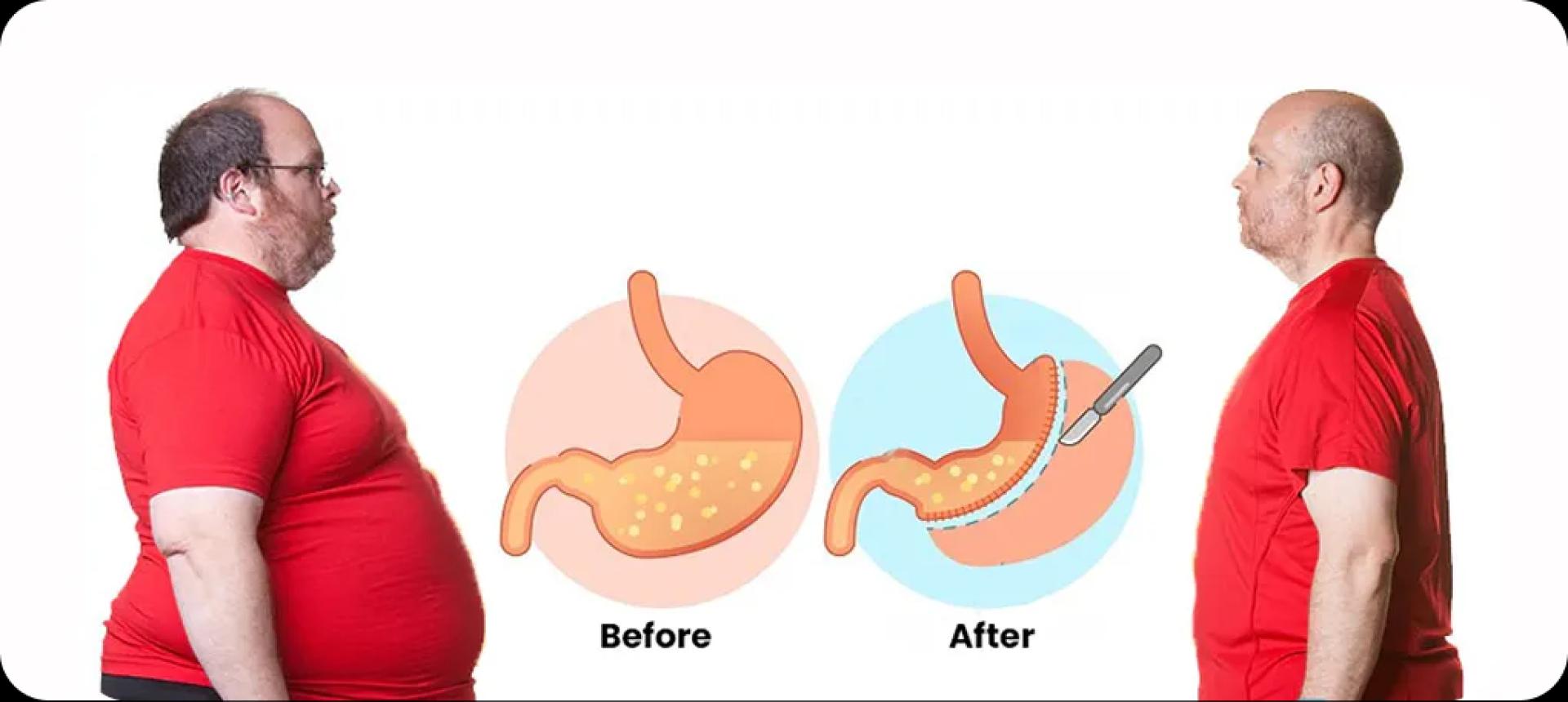

Bariatric surgery, also known as weight loss surgery, is a medical procedure performed on people with severe obesity. The surgery helps the patient lose excess weight and improve their quality of life. When traditional methods, such as diet, exercise, and even medication, do not help you achieve your weight loss goals and disrupt the quality of your life, the doctor may recommend this procedure.
The surgery involves making some changes to your digestive system, either by reducing the capacity of the stomach to hold food or limiting the absorption of nutrients, or a combination of both. It is vital to mention that surgery for weight loss is not a quick fix. It is the first step that you take in your weight loss journey. When you combine the outcomes of this surgery with positive lifestyle changes, it helps you manage weight in the long run.
Who Needs Bariatric Surgery?
While bariatric surgery is a sought-after procedure to help individuals lose weight, this surgery is not recommended for everyone. The suitable candidates for this procedure should be one of the following:
- Individuals with a BMI over 32.5 kg/m² who have obesity related health conditions.
- Individuals with a BMI above 37.5 kg/m² with no co-existing health conditions.
- Individuals with a BMI greater than 30 kg/m² with serious conditions, such as diabetes, heart disease, cardiomyopathy, and sleep apnea.
- Individuals who have opted for other methods of weight loss have failed.
What are the Different Types of Bariatric Surgery?
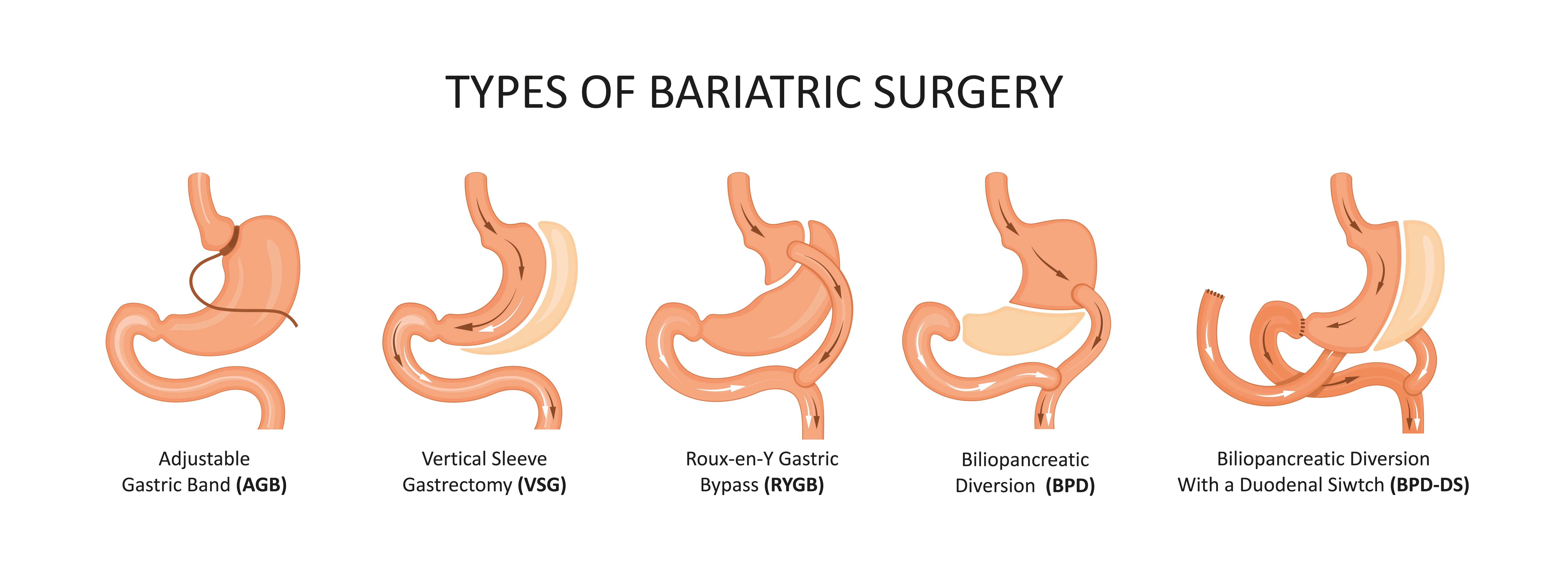
Depending on your overall health, existing health conditions, and expectations, the surgeon may choose one of the following bariatric surgeries.
- Gastric Band
It is a minimally invasive procedure and a reversible bariatric surgery. The surgeon puts an inflatable band around the top of your stomach to reduce the size of your stomach and food intake. As a result, you consume less food, which supplements the weight loss process. - Gastric Bypass
Gastric bypass divides the stomach into two pouches. The uppermost part is smaller than the latter half and connected to the small intestine. Under this procedure, the surgeon changes how your stomach and small intestine digest the food and absorb nutrients. The new, smaller stomach and lower small intestine act as a bypass for food flow. - Sleeve Gastrectomy
This procedure removes 80% of the stomach so that you don’t eat much and feel fuller faster. After this procedure, the stomach will not release the hunger-inducing hormone ghrelin, which reduces your desire to eat food.
- Gastric Balloon
This is a temporary weight loss procedure. An inflated balloon is inserted through an endoscope into the stomach and inflated to reduce the space, leading to a reduction in the food-holding capacity of the stomach. It is very similar to a gastric band.
What are the Benefits of Bariatric Surgery?

- Bariatric surgery leads to significant weight loss in individuals who have been struggling with increased weight throughout their lives.
- This surgery helps improve the symptoms of type 2 diabetes.
- It reduces the risk of heart disease and stroke and alleviates the symptoms of sleep apnea.
- This surgery offers benefits on the mental and emotional level. Once you achieve your desired weight, you become more confident about your body.
- Bariatric surgery results in enhanced mobility and improved quality of life.
- This surgery decreases the risk of premature death.
What Does Recovery after Bariatric Surgery Look Like?
Recovery after bariatric surgery is characterized by many factors, including the type of surgery you have had and your overall health. After the procedure, you will be made to stay in the hospital for a few days. The doctor and their team will closely monitor your condition. Depending on how speedily you are recovering, they will discharge you from the hospital and give you a long list of instructions you must follow to maintain weight in the long run.
For the first few days, you will be advised to rest and heal. The surgeon will put you on a liquid diet. As you progress, you may slowly move to soft foods and regular foods. You may experience pain and discomfort for a few days after the surgery. The pain is manageable with medications. You may as well feel sore around your incisions. Other effects of surgery include nausea, vomiting, constipation, and fatigue. Speak to the surgeon if these symptoms worsen over time.
Bariatric surgery is a life-changing event, and it not only changes your physical health but may equally affect your mental health. Additionally, you may experience some emotional changes. These feelings settle down over time. The surgeon will advise you to be patient throughout your recovery as healing and adjusting to changes takes time. In the meantime, you can work on the following tips:
- Follow the diet prescribed by the doctor to hasten the healing process.
- Drink plenty of water to keep yourself hydrated and prevent constipation.
- Take medications as prescribed to manage pain and other side effects.
- Allow yourself plenty of rest before you resume your routine.
- Do not push yourself too hard if you are tired. Listen to your body and take each day as it comes.
Takeaway
Bariatric surgery has positive effects on the mind and body of the patient. With proper care and attention, you will be on your way to a smooth recovery and improved quality of life.




























Sign in to leave a comment.