




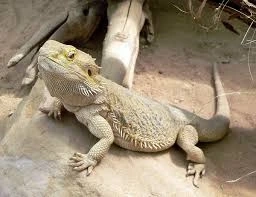
Bearded Dragon Diet and Nutrition for Proper Growth
Nutrition plays a central role in the health and development of bearded dragons. These reptiles require a balanced diet that supports growth, energy levels, and overall well being. Understanding proper feeding practices helps reduce the risk of nutritional deficiencies and supports long-term health.
Understanding Omnivorous Feeding Needs
Bearded dragons are omnivores, meaning their diet includes both plant-based foods and insects. In the wild, they consume a variety of vegetation and small prey. In captivity, replicating this balance is important for maintaining nutritional stability.
The proportion of insects and plant matter varies with age. Younger dragons generally require more protein, while adults consume a greater percentage of vegetables.
Plant-Based Foods for Bearded Dragons
Leafy greens such as collard greens, mustard greens, and turnip greens are commonly included in a bearded dragon’s diet. Vegetables provide essential vitamins, minerals, and fiber. Variety helps ensure a broad nutrient intake.
Fruits may be offered occasionally in small amounts, as they contain natural sugars. Moderation supports digestive health and balanced nutrition.
Insects and Protein Sources
Insects such as crickets and other appropriately sized feeders provide protein and essential nutrients. Insects should be gut-loaded and appropriately sized to prevent choking or digestive issues.
Live prey stimulates natural hunting behavior, contributing to physical activity and mental engagement.
Supplements and Nutritional Support
Calcium and vitamin supplements are often recommended to support bone health and metabolic function. These supplements help compensate for nutrients that may be limited in captive diets.
Proper UVB lighting works alongside dietary calcium to support absorption and prevent bone-related health concerns.
Feeding Schedule and Portion Control
Establishing a consistent feeding schedule supports healthy digestion. Younger dragons may require daily feeding, while adults are often fed less frequently. Overfeeding should be avoided, as it can lead to weight-related health issues.
Fresh water should always be available to support hydration.
Conclusion
A balanced and well planned diet is essential for bearded dragon growth and health. By providing appropriate plant foods, protein sources, and supplements, caregivers can support proper development and longevity. Thoughtful feeding practices help maintain energy levels, strong bones, and overall vitality.