
I’ve worked with a lot of people who’ve lost teeth, and the story usually starts the same way. Someone puts off treatment for years. They chew on one side. They stop ordering certain foods. Then one day, something tips it — a photo they dislike, a chipped denture, or just being tired of avoiding hard bread.
Once they’re in the chair, the big question becomes: dentures or implants?
At that point, I usually bring up dental implant treatments in Melbourne. Not as a sales pitch — more as, “Here’s another option you might not realise feels different day-to-day.”
People are often surprised by how big the difference actually is.
The decision people are really making
Most folks don’t care about fancy terminology. They just want to know:
- Will these teeth stay put?
- Am I going to struggle with certain foods forever?
- Will I feel like myself, or like I’ve got gear in my mouth?
Dentures get the job done for a lot of people. No denying that. But even well-made dentures move around a bit. Some people get used to it, others never quite do.
Implants don’t have that same movement. And that one detail tends to snowball into a whole bunch of practical benefits that don’t show up in product brochures.
I once had a woman tell me she hadn’t eaten corn on the cob for fifteen years. After getting an implant, the first thing she went home and make. That kind of thing sticks with you.
What implants really are (without the dental jargon)
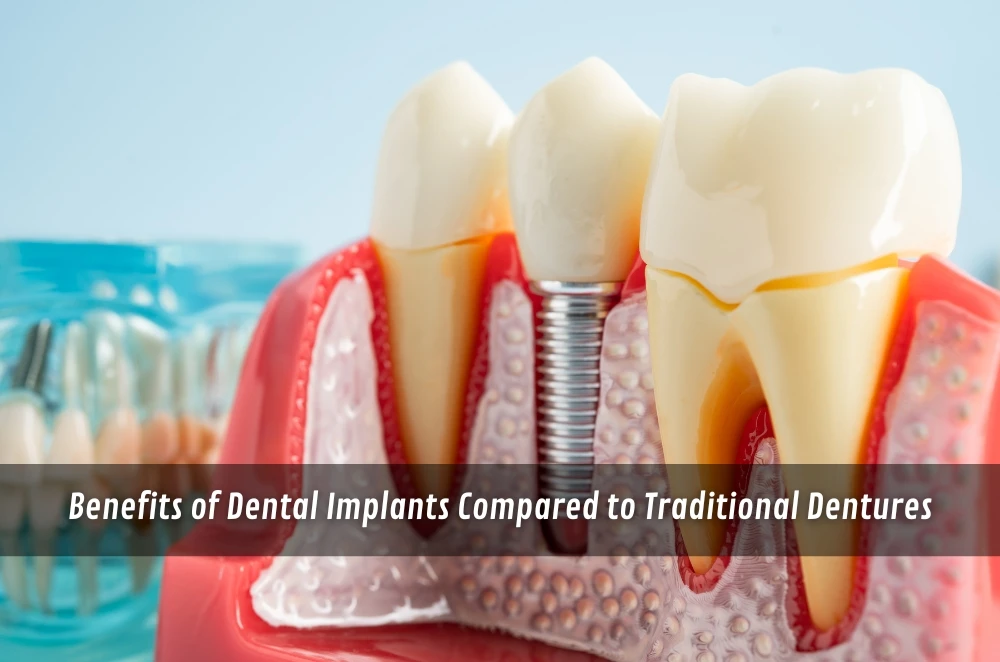
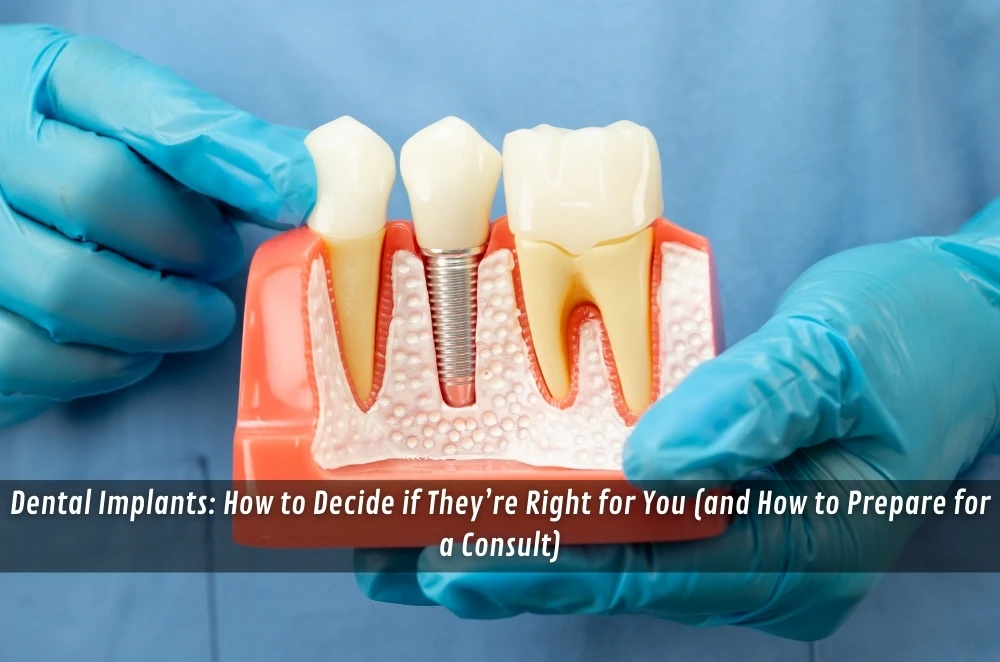
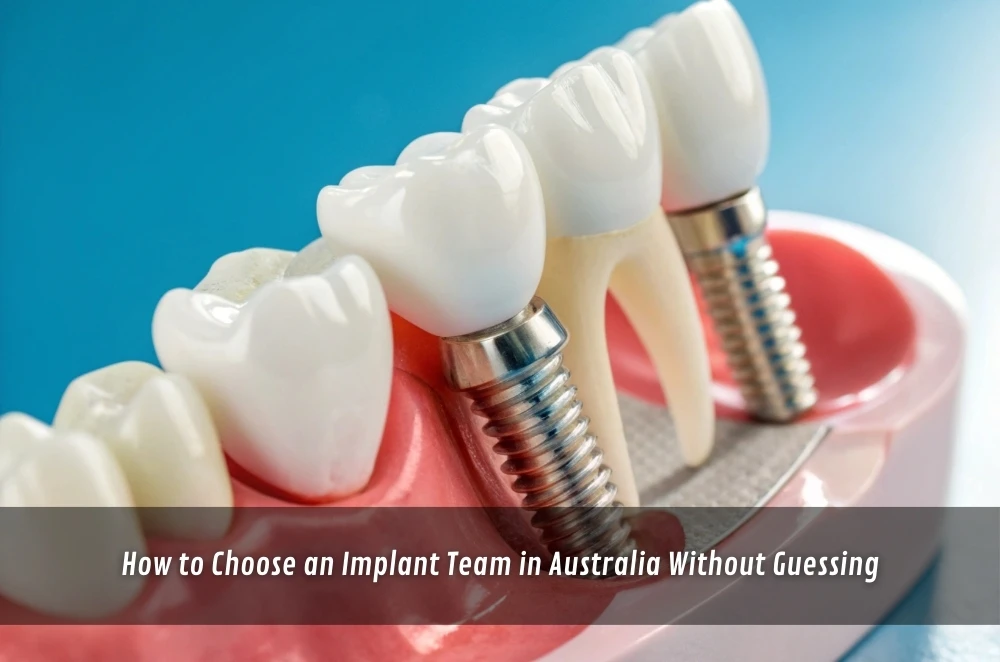
If you strip it back, a dental implant is just a small metal post acting like a root. The bone holds onto it, the way it holds onto natural roots. Then a tooth is put on top.
That’s the simple version.
The actual steps in Australian practices usually run like this:
- Some scans
- A plan
- A short surgery
- A wait while things heal
- Then the proper tooth goes on
Pretty standard stuff, and not nearly as wild as people imagine. If you want the official side of it — without the marketing spin — the dental-implant surgery Australia guidelines are worth a read. Straightforward, government-written, nothing fluffy.
Why implants usually feel better than dentures
This part comes from watching people live with both options.
Eating
Dentures shift. Even perfect ones. Lower dentures are especially annoying — there’s not much for them to latch onto.
Implants? Once they’ve healed, they don’t move. People bite normally again, sometimes for the first time in decades. I’ve seen grown adults grin like kids after biting an apple — not exaggerating.
Comfort
Dentures sit on the gums. Gums aren’t really designed to take that pressure all day. So you get:
- Rub spots
- Sore patches
- Random food getting stuck underneath
Implants sit in bone. No rubbing. No acrylic plate across the palate. You don’t take them out at night and leave them in a cup. For some people, that alone makes them feel “more human,” if that makes sense.
The bone problem
A detail not many people know: once a tooth is gone, the bone under it starts shrinking. Slowly, but continuously.
Dentures don’t stop that. In fact, they can even speed it up in some people.
Implants tell the bone, “Hey, stay alive, we’re using you.” So the bone sticks around longer. That helps with facial shape — the mouth doesn’t get that folded-in look as quickly.
When dentures still win
Implants aren’t a magic fix. They’re not even the right choice for everyone.
I’ve recommended dentures for people who:
- Didn’t have enough bone and didn’t want grafting
- Had health issues that made surgery unwise
- Needed something cheap, quick, and temporary
- Simply didn’t want anything invasive
There’s nothing wrong with dentures when they’re chosen deliberately rather than out of habit or fear.
What you need to think about before choosing implants
Implants work best when the whole picture — not just the empty space — is considered.
Health
If gums are inflamed or infected, implants won’t thrive. That stuff needs clearing first.
If someone smokes heavily or has certain medical conditions, the healing can be slower or riskier. Doesn’t mean “no implants,” but it does mean “let’s be realistic.”
Time
Implants take patience. There’s healing time involved. Some people don’t mind the wait; others want something immediate. The personality of the patient matters almost as much as the condition of their mouth.
Budget
This part is blunt: implants cost more upfront. But they don’t usually need the constant replacements, relines or fiddling dentures often require. Long term, the maths sometimes leans in their favour.
Caring for implants so they last
Implants can last decades — but only if you treat them like important equipment, not decorations.
Day to day, the routine isn’t exotic:
- Brush
- Clean between them
- Get check-ups
- Notice problems early
People who want more details often get pointed to how to care for dental implants.
If you’re still comparing options, it’s worth reading an outside take on the pros and cons of dental implants vs dentures.
Final thoughts
Dentures and implants aren’t rivals — they’re tools. The right one depends on your mouth, your health, your budget, and, honestly, your personality. Some people want something simple and removable. Others want something fixed and forgettable. Neither group is wrong.
If you want teeth that don’t move, and you want that solid bite back, implants tend to feel more natural. But dentures absolutely have their place, especially when someone needs a solution quickly or safely.
The best advice? Don’t rush. Talk it through. Ask the questions that feel “silly.” They’re not silly — they’re practical. And they’re usually the ones that help you make a choice you’ll still be happy with five, ten, twenty years from now.


























Sign in to leave a comment.