




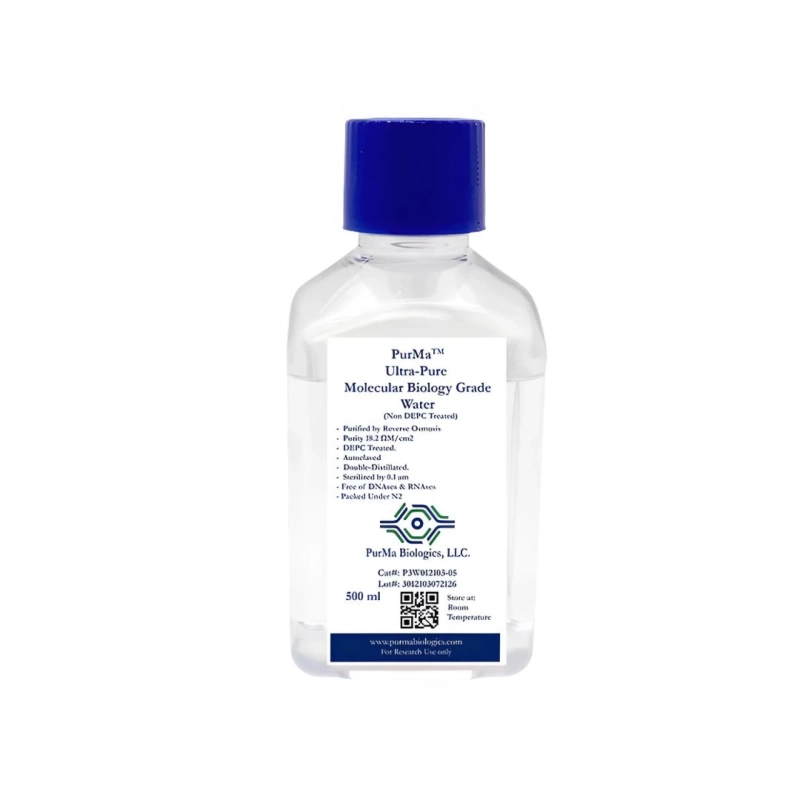
If you want to conduct quality research, it requires pursuing quality procedures. Although the use and treatment of nuclease-free water is very crucial in maintaining sample integrity, this reagent usually gets ignored. This specific type of water is crucial if an experiment requires the hybridization of DNA and RNA. In order to ensure that laboratory results are correct and free from contamination, let us know what ideal practices are about handling and storing nuclease-free water.
Understanding What Nuclease-Free Water is?
Before moving to discuss the best practices, it is crucial to know what nuclease-free water is. This reagent is a specialized water that does not have nucleases (enzymes that break down DNA or RNA). This reagent helps to maintain the stability of the sample, which could lead to poor results in experiments like PCR or RNA sequencing.
Preferred Practices to Handle Nuclease-Free Water
● Always Use Clean Equipment: Ensure that any labware to be in contact with water is clean. Nuclease is introduced through contamination by non-sterilized instruments, which might harm your research if used.
● It should be kept in a specific space: Keep the nuclease-free water away from all other reagents in a specific space. It reduces the chance of contamination by accident and keeps the water free of contaminants over time. It should be kept in a constant, hygienic environment, either in an incubator or any other area.
● Avoid Redistillation: While this is the most labor-intensive measure up front, it is advised to store the nuclease-free water in small parts for use once. More frequent redistillation can introduce the possibility of any impurities and downgrade the quality of nuclease-free water.
How to Store Nuclease-Free Water?
● Temperature Control: Keep nuclease-free water fresh by storing it at the appropriate temperature. If you are going to use it soon, you can keep it in a clean, airtight container at room temperature. If you would be using it later, refrigeration or an incubator/water bath at a controlled temperature might prove useful. Store it in sealed containers at all times so it doesn't get contaminated and also does not evaporate.
● Incubator/water bath for special usage: For times when nuclease-free water at constant temperature is required, an incubator/water bath is the perfect solution.
What Makes PurMa Biologics LLC Different
The commitment of PurMa Biologics LLC. is to provide researchers with the best quality reagents and chemicals, like nuclease-free water, for their pivotal experiments. For every laboratory, it is essential to have non-contaminated products that preserve the integrity of important tests.
End
Knowing what is nuclease free water?and how to handle and store this crucial chemical in biological research is important to upgrade the quality of your laboratory, in general.
Rely on PurMa Biologics LLC. for your needs on reagents, and observe the difference high-quality reagents could make.