




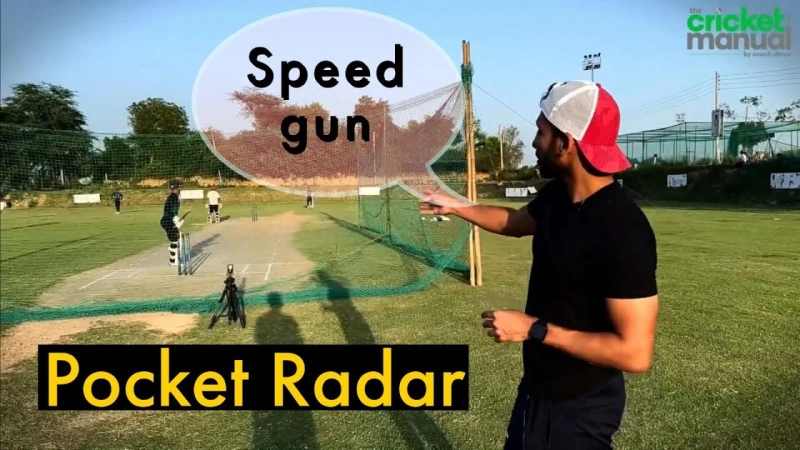
Cricket is a game of precision, strategy, and skill. Whether you’re an aspiring fast bowler or a seasoned player, one of the key metrics that can significantly influence your performance is your bowling speed. Understanding and improving your bowling speed can make a substantial difference in your game. One of the best tools available for this purpose is the Pocket Radar, a device designed to measure bowling speed in cricket and offer valuable insights into your performance. In this blog, we’ll explore how the Pocket Radar can help you track and improve your bowling speed and ultimately boost your cricket performance.
What is Pocket Radar Cricket?
Pocket Radar is a compact, handheld radar device that accurately measures the speed of a cricket ball. Unlike traditional speed guns that are often bulky and expensive, the Pocket Radar is designed to be portable and affordable while still providing precise measurements. Its advanced technology allows players, coaches, and enthusiasts to measure the speed of a cricket ball with ease, making it an essential tool for anyone looking to enhance their bowling skills.
Why Measure Bowling Speed in Cricket?
Measuring bowling speed is crucial for several reasons:
- Performance Analysis: Knowing your bowling speed helps you understand where you stand compared to other bowlers and against your own past performances. It allows you to track your progress and make adjustments to your technique as needed.
- Technique Improvement: Speed is a critical factor in bowling. If you find that your speed is not where you want it to be, you can use the data from Pocket Radar to identify areas for improvement in your bowling action or fitness regimen.
- Match Preparation: During practice sessions, knowing your bowling speed helps you simulate match conditions more accurately. This prepares you better for the pace you need to achieve during actual games.
- Coaching and Feedback: Coaches can use the data from Pocket Radar to provide precise, actionable feedback to their players. This data-driven approach helps in setting realistic goals and measuring improvement over time.
How Does Pocket Radar Help in Measuring Bowling Speed?
1. Accurate Speed Measurement
Pocket Radar uses Doppler radar technology to measure the speed of the cricket ball. This technology provides precise measurements of the ball’s speed as it leaves your hand. By pointing the device at the area where the ball is delivered, Pocket Radar captures the speed without needing direct contact or physical interference with the game.
2. User-Friendly Interface
One of the standout features of Pocket Radar is its simplicity. It has a user-friendly interface with a single-button operation. This means you can focus on your bowling without getting bogged down by complicated settings. The device displays the speed instantly on a clear digital screen, making it easy to see your performance metrics.
3. Portability and Convenience
Unlike traditional speed guns, Pocket Radar is lightweight and portable. You can easily carry it in your kit bag or even hold it in your hand during practice sessions. Its compact size makes it convenient to use in various training environments, whether on the field or in a practice net.
4. Data Storage and Tracking
Some models of Pocket Radar offer features like data storage and tracking, which allows you to save multiple readings over time. This feature is particularly useful for tracking your progress and reviewing your performance after each practice session.
How to Use Pocket Radar for Bowling Speed Measurement
Using Pocket Radar to measure your bowling speed is straightforward. Here’s a step-by-step guide to help you get started:
- Position the Device: Place the Pocket Radar at the bowler’s end of the pitch, facing the delivery area. Ensure that the radar is pointed directly at the area where the ball will cross.
- Calibrate if Necessary: Some Pocket Radar models may require calibration before use. Follow the instructions provided with your device to ensure it is set up correctly.
- Start Bowling: Begin your bowling practice as you normally would. The Pocket Radar will capture the speed of each delivery as the ball passes through the radar’s detection zone.
- Review the Readings: Check the digital display on the Pocket Radar to see the speed of your deliveries. Take note of your speed for each ball and look for patterns or trends.
- Analyze Your Performance: Use the data to analyze your performance. Compare your current speeds with your past records or target speeds to see where you stand.
Tips for Improving Your Bowling Speed Using Pocket Radar
1. Focus on Technique
Improving your technique is key to increasing your bowling speed. Use the data from Pocket Radar to identify whether you need to work on your run-up, arm action, or follow-through. Small adjustments to your technique can lead to significant improvements in your speed.
2. Work on Fitness
A strong, fit body contributes to better bowling performance. Incorporate strength training, flexibility exercises, and endurance workouts into your routine to support your bowling speed goals.
3. Regular Practice
Consistent practice is essential for improvement. Use the Pocket Radar during your practice sessions to monitor your progress and make adjustments based on the data you collect.
4. Set Specific Goals
Based on the readings from your Pocket Radar, set specific, measurable goals for your bowling speed. Whether you want to reach a certain speed or improve by a certain percentage, having clear goals will help you stay motivated and focused.
Conclusion
Incorporating the Pocket Radar into your cricket practice routine is a game-changer for tracking and improving your bowling speed. Its accurate measurements, ease of use, and portability make it an ideal tool for bowlers at all levels. By regularly measuring your speed and using the data to refine your technique and fitness, you can take significant strides in your cricket performance.
So, if you’re serious about boosting your cricket skills, investing in a Pocket Radar is a step in the right direction. It offers a simple yet powerful way to measure bowling speed in cricket and helps you achieve your performance goals.