




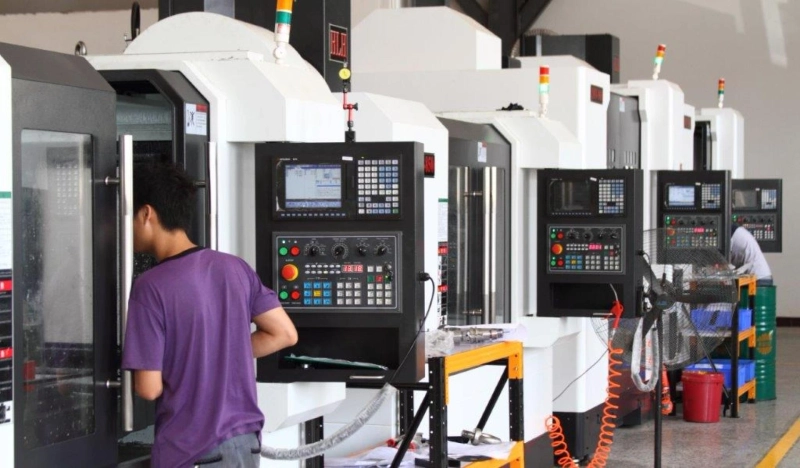
Key Cost Components
- Raw Material: The choice of metal (aluminum vs. steel vs. exotic alloy) greatly affects price. Premium metals (titanium, Inconel, high-grade stainless) cost much more per pound, and their hardness can slow machining. Market fluctuations (tariffs, demand surges) also change material costs between quotes. Always check current commodity prices when estimating.
- Manufacturing Process: How a part is made matters. For example, stamping or casting has high setup costs but cheap per-piece rates in large runs. CNC machining is flexible for custom or low-volume parts but typically costs more per item. Laser cutting and bending fall in between, depending on thickness and complexity. Automating steps (like using turret punches instead of manual drilling) can lower labor but requires investment.
- Labor & Machine Time: Skilled labor (setup, machining, finishing) adds to costs. Fabricators often bill by machine-hour. More complex parts mean longer CNC time and more operator attention. Reducing setups and optimizing toolpaths can cut down these charges. For instance, merging similar parts into one program can save multiple setups.
- Design Complexity: Parts with intricate details, tight tolerances, or many holes and cuts require extra machining steps and quality checks. Simplifying geometry (fewer features, holes, or bends) can save significant money. Even small tweaks, like using a standard tool size or adding fillets to corners, can reduce machining time.
- Order Quantity: Economies of scale play a big role. Bulk orders drive down per-unit cost because fixed expenses (tooling, programming) are shared. Larger runs also open options for cheaper processes (like stamping). Conversely, very small or one-off runs carry much higher per-unit costs, as each part bears the full setup overhead.
Material Costs in Detail
Material selection is often the biggest single cost:
- Common Metals: Aluminum is light and easy to machine, so it is often one of the least expensive choices. Steel is stronger but harder to cut; stainless steel may need special tools or coatings (heat treatment, surface finish) that increase expense. Even among steels, prices vary by alloy.
- Special Alloys: Aircraft-grade or surgical metals (titanium, certain stainlesses, nickel alloys) are much costlier. They also wear tools faster or require more skill to machine, adding further labor cost.
- Market Fluctuations: Raw metal prices change with global markets. For instance, a shortage of stainless steel or new import tariffs can suddenly raise prices. If possible, aligning your order with a favorable market window can save money.
- Sourcing Strategy: If a project requires large sheets or specialized alloys, sometimes overseas suppliers have better pricing. For example, fabricators in China or Asia might secure large batches of aluminum at lower unit costs. If considering Sheet Metal Fabrication China, factor in shipping time and import duties to ensure actual savings.
Labor and Machine Operation
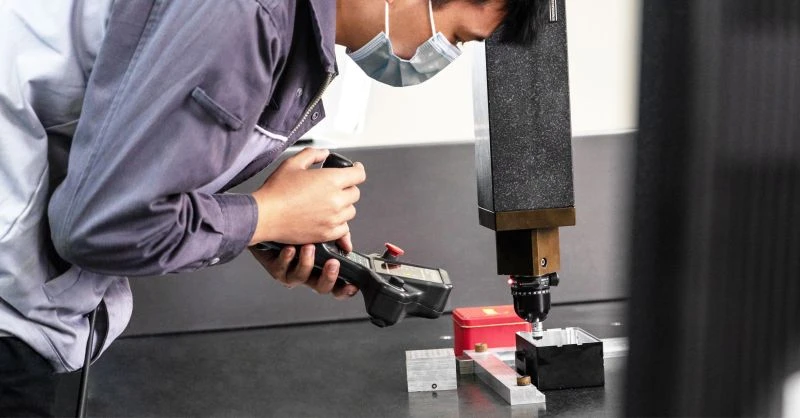
Even with high-tech equipment, human and machine time add up:
- CNC Machining: Operators program and run CNC mills and lathes. Every additional toolpath or setup adds to the clock. Complex features needing multiple setups (e.g., turning the part for additional faces) will multiply the hours billed.
- Manual Processes: Processes like welding, sanding, or assembly require hands-on labor. Precision grinding or hand finishing (polishing, deburring) will also extend time. Automating these steps can be expensive, so consider if manual work is acceptable for your tolerance levels.
- Machine Hourly Rates: Fabricators often charge by machine-hour. Faster production by advanced machines can lower the time needed, but these machines have higher hourly rates. A mid-sized shop might quote lower per-hour rates but take longer, whereas a high-end shop may work faster at a premium rate.
- Setup Fees: Programming a CNC or creating custom jigs is a fixed cost per project. Once set up, the incremental cost for additional parts is mostly material and runtime. Thus, higher quantities significantly reduce the setup cost per piece.
Small procurement teams can control costs by ordering larger batches when possible or by choosing manufacturers with efficient processes. Shops with experience often suggest alternate manufacturing methods (like laser vs. waterjet) if it suits the part geometry and reduces cost.
Design Simplification
One of the quickest ways to reduce price is to adjust the design:
- Remove Excess Features: Eliminate unnecessary pockets, holes, or contours that complicate machining. Flat surfaces with simple bends are faster to produce.
- Optimize Geometry: Even slight design changes can make parts easier to machine. For example, adding fillets to interior corners or aligning holes with standard drill sizes avoids special tooling and saves hours on the shop floor.
- Combine Parts: If feasible, consolidate multiple components into a single assembly or part. This reduces tooling changes and assembly labor.
- Prototype Early: Using a quick-turn prototype can highlight costly features. Fixing a CAD design is much cheaper than modifying a physical tool mid-production.
Many manufacturers encourage a Design for Manufacturability (DFM) review early on. Even a few hours of engineering consultation before production can save days of machining and thousands of dollars.
Quality and Finishing
Extra processes add both value and cost:
- Surface Coatings: Anodizing (for aluminum), plating (for steel), or powder coating provide corrosion resistance and aesthetics. Each finish requires additional labor, materials, and curing time.
- Tight Tolerances: Inspections for critical dimensions (like CMM scans, functional tests) ensure reliability but the time and specialized equipment use add to the bill. Precision measuring instruments and documentation (material certificates, certificates of conformity) are often billed as overhead.
- Industry Standards: If the part is for a regulated industry (medical, aerospace), expect higher costs. Clean-room production, sterile packaging, and extensive traceability procedures all drive up the quote.
- Balance Quality and Budget: Clients often decide which features (like ultra-smooth finish or exhaustive testing) are “nice-to-have” versus strictly necessary. For instance, a functional prototype may forgo a final cosmetic finish or use standard tolerances to save time and money.
The Bottom Line
By breaking down the quote, you’ll see how much each component contributes to the final price. Discuss with your supplier how different choices affect cost: asking for details on the custom metal parts price might reveal that choosing a slightly different alloy or increasing run size could save you a bundle. Remember to ask questions and negotiate—transparency leads to better deals.