




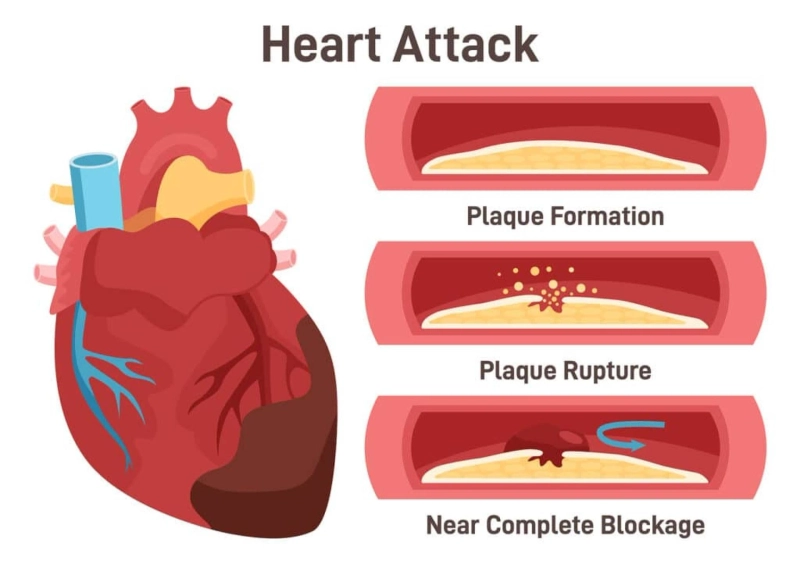
Heart disease continues to be one of the leading causes of death worldwide, yet a large percentage of cardiovascular conditions are preventable. While hospitals, technology, and advanced treatments play a critical role, the foundation of a heart-healthy society is built much closer to home. Daily habits, family culture, and lifestyle choices made within households significantly influence long-term cardiovascular health. When prevention begins at home, it creates a ripple effect that extends to communities, workplaces, and future generations.
A heart-healthy home begins with awareness and education. Understanding basic concepts such as cardiovascular disease (CVD), risk factors, and early warning signs empowers families to take proactive action. Teaching children about the importance of a healthy heart, balanced nutrition, and physical activity at an early age helps establish lifelong habits. Simple discussions around blood pressure, cholesterol levels, and heart rate can normalize preventive care and reduce fear or misinformation associated with heart conditions.
Diet plays a central role in shaping heart health at the household level. Families that prioritize home-cooked meals rich in fruits, vegetables, whole grains, and healthy fats naturally reduce their risk of coronary artery disease, atherosclerosis, and hypertension. Limiting excessive salt, sugar, and trans fats helps maintain healthy lipid profiles and supports optimal cardiac function. When healthy eating becomes a shared family practice rather than an individual effort, adherence improves and long-term benefits multiply.
Physical activity within the home environment is equally important. Encouraging daily movement—whether through walking, yoga, light exercise, or active play—helps regulate heart rate variability, improves circulatory efficiency, and reduces sedentary behavior. Families that move together not only strengthen their hearts but also reinforce emotional well-being, which is closely linked to reduced stress-induced cardiac risk. A culture of movement at home lays the groundwork for preventing conditions such as obesity-related heart disease and type 2 diabetes–associated cardiovascular complications.
Mental and emotional health are often overlooked components of heart disease prevention. Chronic stress, poor sleep, and emotional suppression can contribute to autonomic nervous system imbalance, increasing the risk of arrhythmias and elevated blood pressure. Homes that promote open communication, adequate rest, and stress-management practices such as mindfulness or relaxation create an environment where both emotional and cardiac health can thrive. Supporting mental well-being at home directly contributes to healthier electrocardiographic (ECG) patterns and improved overall heart resilience.
Regular monitoring and preventive screening further strengthen a heart-healthy household. Routine checks of blood pressure, resting heart rate, and periodic ECG monitoring help detect silent abnormalities before they progress into serious disease. With the rise of home-based cardiac monitoring devices, families can now participate actively in preventive cardiology. Early identification of irregularities such as arrhythmias, ischemic changes, or conduction abnormalities allows timely medical consultation and intervention.
Ultimately, building a heart-healthy society does not start in clinics or emergency rooms—it starts with everyday decisions made at home. When families commit to preventive care, healthy habits, emotional balance, and early detection, they collectively reduce the burden of heart disease on society. A single household adopting heart-conscious living can inspire neighborhoods, influence communities, and contribute to a future where cardiovascular disease is no longer the norm but the exception.