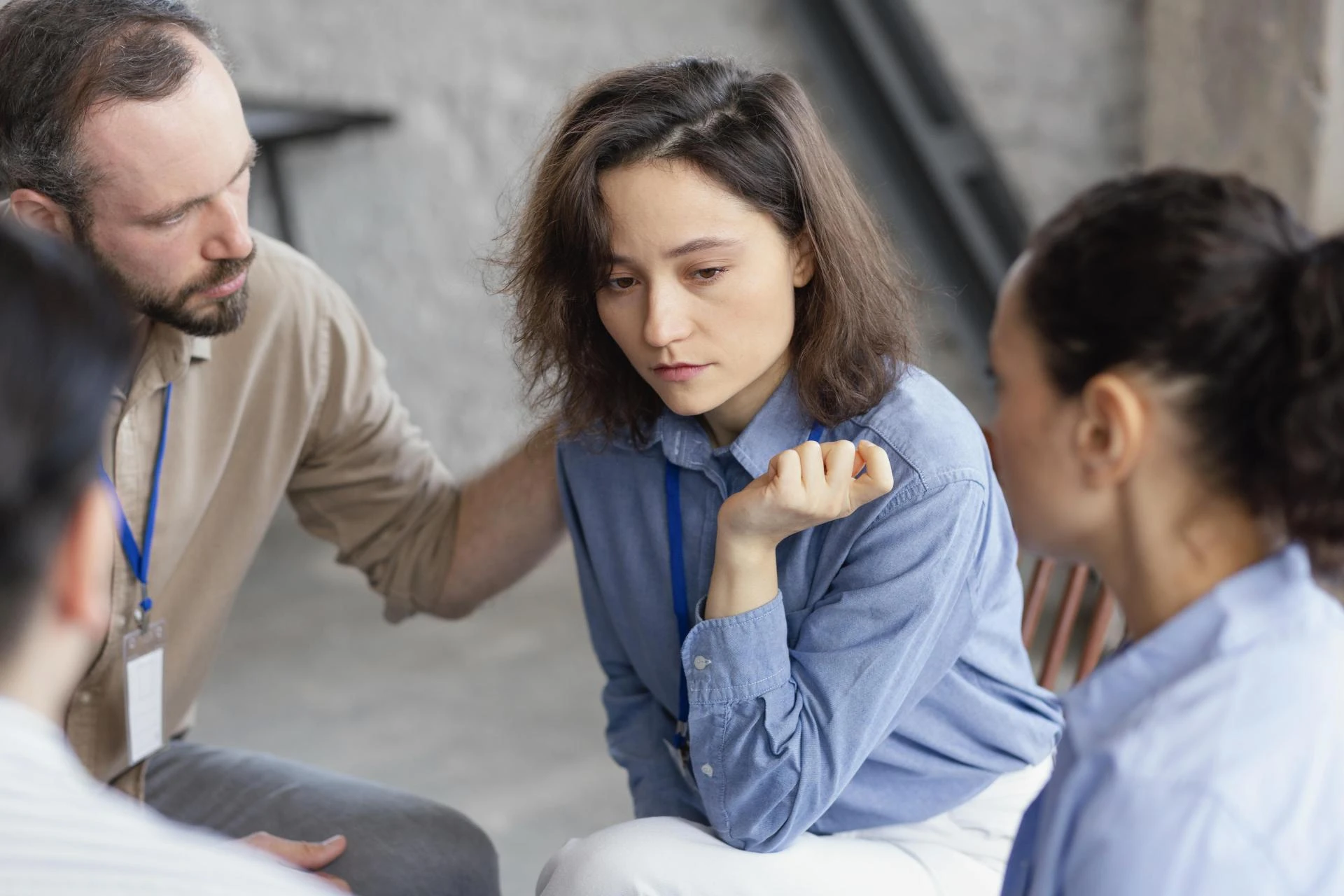

Clinical trials have long been the engine of medical advancement, yet for many living with rare conditions, these studies often feel distant, burdensome, or unaligned with their real needs.
In the rare disease area, investigators and sponsors are beginning to recognize that progress depends on more than designing protocols and enrolling participants it requires dialogue, trust, and meaningful collaboration with patient communities.
By working proactively with rare disease patient groups, advocacy networks, and patient organizations, clinical research can evolve into a model that is not only scientifically rigorous but also human-centered.
Why Patient Communities Cannot Be an Afterthought
For decades, trial designs were primarily shaped by regulatory requirements and scientific assumptions, with limited consultation from those living with the disease.
This approach created barriers such as overly complex eligibility criteria, high travel burdens, and endpoints that did not reflect quality-of-life improvements patients actually cared about.
In rare disease trials, these gaps become critical: small patient populations, geographic dispersion, and unmet medical needs make recruitment and retention extremely challenging.
Rare disease advocacy groups have consistently emphasized that patients and caregivers are not just participants—they are experts through lived experience. By sidelining them, research risks inefficiency, slow accrual, and results that fail to address the issues most vital to the community.
The Shifting Landscape: Patient Advocacy as a Catalyst
The last decade has seen a remarkable shift, with rare disease patient advocacy groups taking on a central role in shaping research conversations. Their contributions extend beyond awareness campaigns. They actively engage in defining trial priorities.
They collaborate on the design of feasibility studies and consent processes. They educate both researchers and families, building trust where skepticism once existed.
Regulatory agencies have also acknowledged this shift.
Guidance now increasingly highlights the value of patient-reported outcomes, advisory boards composed of patient representatives, and transparent communication throughout a study’s lifecycle. Rare disease patient organizations, once viewed as peripheral stakeholders, are becoming engines that drive trial innovation.
Building Bridges Through Early-Stage Engagement
One of the most critical lessons in rare disease clinical research is the importance of involving communities early—before the first protocol draft is created. By fostering early discussions:
Researchers gain insights into symptom variability, daily burdens, and practical constraints that shape protocol feasibility.
Families feel valued as partners rather than passive subjects, which builds loyalty and engagement over the long term.
Rare disease patient groups can advocate for outcomes that matter to children, caregivers, and adults, not just to regulators.
This type of bridge-building reduces the risk of costly amendments later and ensures that trials remain aligned with what matters most to participants.
Community-Centered Trial Models
New operational models are beginning to emerge in rare disease research, drawing from principles of patient partnership:
Hybrid decentralized trials: By integrating telemedicine platforms and home-based assessments, investigators reduce the burden of repeated site visits—something rare disease advocacy groups have long advocated.
Co-created educational materials: When rare disease patient organizations help develop consent language and study guides, families report better comprehension and stronger willingness to participate.
Community advisory boards: These help research teams receive consistent input on cultural, logistical, and ethical considerations throughout a trial.
Each of these models reflects how meaningful collaboration transforms obstacles into solutions.
The Role of Rare Disease Patient Organizations in Trust-Building
In rare disease spaces, where communities are often small and deeply connected, trust is everything.
Many families rely heavily on rare disease patient organizations for guidance on which trials are worth considering and which sponsors have reputations for patient-centric practice. That influence makes these organizations indispensable to sponsors who aim to conduct ethical and practical studies.
By supporting transparent communication, providing updates on study progress, and ensuring that feedback loops remain open, they help sustain engagement even across multi-year timelines. Their advocacy ensures that the patient voice remains present not only during recruitment but also during data interpretation and post-trial access discussions.
Beyond Access: Sustainability of Patient Involvement
The real challenge for the next phase of clinical research is not just incorporating patient voices—it is sustaining those partnerships in a meaningful way. Too often, communities are invited to engage at the design stage but excluded from later dissemination of results. Rare disease patient advocacy groups argue that this imbalance diminishes trust.
Sustained models require:
Clear recognition (and compensation when appropriate) of patient organizations’ time and expertise.
Transparent sharing of trial outcomes in accessible formats.
Post-trial collaborations that consider how therapies can transition from clinical testing to equitable access.
Such approaches reinforce that the investment of rare disease patient groups is more than symbolic; it shapes tangible outcomes for generations of patients.
A Vision of Shared Responsibility
Enhancing clinical trials with proactive community involvement is not charity—it is a necessity. The scarcity of participants, ethical urgency, and scientific complexity in rare diseases demand approaches that move beyond transactional relationships.
By nurturing authentic partnerships with rare disease patient groups, advocacy networks, and patient organizations, the clinical research enterprise can become more diverse, resilient, and patient-aligned.
The ultimate vision is of shared responsibility: where every trial is not solely the product of medical experts, but of the patients who live the research every day. With this collaborative foundation, the bridges built between communities and science may finally deliver on the promise of meaningful, life-changing therapies.






















Sign in to leave a comment.