




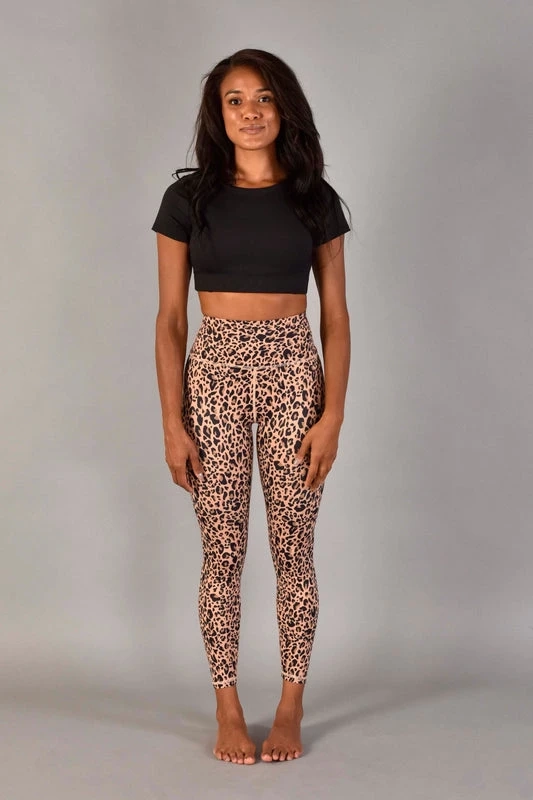
As the world shifts towards a more sustainable future, so does our approach to fashion. The rise of eco-friendly and sustainable sportswear, including leopard print activewear and recycled materials, has sparked a movement towards conscious consumption. But sustainable choices don't end at the checkout – how you care for your activewear plays a pivotal role in extending its lifespan and reducing your overall environmental footprint. In this guide, we'll explore essential tips for caring for your sustainable sportswear, highlighting proper washing techniques, storage strategies, and how to avoid common mistakes that could compromise their eco-friendliness.
The Importance of Care for Sustainable Activewear
When you invest in sustainable activewear, you're not just making a statement about your values; you're also making an investment in a healthier planet. Ethical choices encompass both the products we choose and how we care for them. Proper care of your sustainable sportswear can significantly impact its lifespan, reducing the need for frequent replacements and ultimately minimizing waste.
Proper Washing Techniques
Start your sustainable care routine with proper washing techniques:
Cold Water: Opt for cold water over hot water when washing your activewear. Cold water not only conserves energy but also prevents color fading and damage to sensitive fabrics.Eco-Friendly Detergents: Choose mild, eco-friendly detergents that are free from harsh chemicals. These detergents are gentler on your clothing and the environment.Handwashing and Garment Bags: Delicate activewear items, such as leopard print leggings, can benefit from handwashing. For machine washing, use garment bags to protect your clothing from abrasion and tangling.Drying with Care
How you dry your activewear can impact its longevity:
Air-Drying: Whenever possible, air-dry your activewear. This not only conserves energy but also prevents heat damage and maintains the integrity of your fabrics.Avoid Direct Sunlight: Direct sunlight can cause colors to fade over time and weaken fibers. Choose a shaded area for air-drying.Low-Heat Machine Drying: If you must use a dryer, opt for a low-heat setting. High heat can degrade elastic fibers and lead to shrinkage.Storage Strategies
Effective storage ensures your activewear retains its shape and quality:
Folding: Fold your activewear instead of hanging it to prevent stretching and misshaping of elastic materials.Cool, Dry Place: Store your activewear in a cool, dry place to prevent mildew and odors from forming.Breathable Storage Solutions: Invest in breathable storage solutions like fabric bins or drawers that allow proper ventilation, reducing the risk of mold and odors.Avoiding Common Mistakes
Steer clear of these common mistakes that can undermine your efforts:
Excessive Washing: Over-washing can lead to wear and tear. Only wash your activewear when necessary.Fabric Softeners and Bleach: Avoid fabric softeners and bleach, as they can break down eco-friendly materials and harm the environment.Ironing: Skip ironing your activewear, especially those with synthetic fibers. High heat can damage fabrics.Treating Stains and Odors Naturally
Handle stains and odors sustainably with these natural methods:
Natural Stain Removers: Use lemon juice, baking soda, or hydrogen peroxide for stain removal. These options are safer for both your clothing and the environment.Freshening with Baking Soda or Vinegar: Refresh your activewear by adding baking soda or vinegar to the wash to remove odors without harsh chemicals.Repairing and Upcycling
Extend the life of your activewear through repair and upcycling:
Mending Tears: Address small tears and loose threads promptly to prevent further damage.Upcycling: Explore creative ways to upcycle your old activewear into new pieces, reducing waste and promoting sustainability.Guidelines for Different Fabrics
Different sustainable fabrics require specific care:
Recycled Polyester: Wash in cold water, air-dry, and avoid excessive heat to maintain the integrity of the recycled fibers.Organic Cotton and Bamboo: Follow care instructions to preserve the softness and durability of these natural fabrics.Reflecting Sustainability in Care
Caring for your sustainable sportswear isn't just about maintenance; it's an extension of your commitment to sustainable living. Aligning your care practices with your ethical values reinforces the positive impact of your choices.
In Conclusion
Caring for your womens sustainable sportswear is a crucial step in preserving their quality and extending their lifespan. By following proper washing techniques, mindful drying, effective storage, and avoiding common mistakes, you're not only enhancing the longevity of your recycled activewear but also contributing to a more sustainable fashion landscape. As we continue on the journey towards a greener future, responsible care becomes an integral part of our commitment to both personal well-being and the planet we call home.