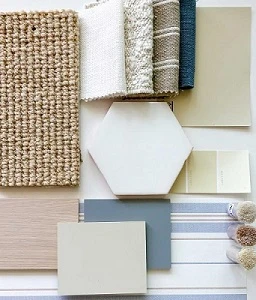

Flooring does far more than cover space — in a commercial setting, it becomes part of the brand experience. From the moment someone walks through the door, the texture, tone, and pattern underfoot help shape perceptions. Bespoke Carpets are uniquely positioned to contribute to this narrative. Their tailored nature allows businesses to embed identity, atmosphere, and function into the very fabric of a space, all while offering practicality and durability.
Carpets created specifically for a brand don’t just support the interior design — they become central to it. Whether in a sleek office, a high-traffic retail environment, or a luxurious hotel, these flooring solutions serve as both a design statement and a functional asset. When specified correctly, bespoke carpets elevate the interior from generic to memorable, aligning design features with wider brand messaging.
The Role of Flooring in Commercial Spaces
First Impressions and Spatial Identity
Flooring is one of the first tactile experiences a visitor has in a commercial setting. The look, feel, and even sound of a bespoke carpet can convey brand values before a word is spoken. A richly textured weave might suggest tradition and quality, while bold patterns in vibrant colours can reflect creativity or innovation. These immediate impressions are valuable tools for businesses seeking to communicate without signage.
Spatial identity is also shaped by how a carpet connects visually and emotionally with other elements in the room. Flooring helps define zones, direct foot traffic, and anchor focal points, all while remaining consistent with the brand’s image. In corporate offices, this might mean subtly integrating brand colours into the weave, whereas retail stores may use carpeting to guide flow and establish mood from room to room.
Visual Continuity Across Brand Environments
Brands with multiple locations often struggle to maintain a coherent look and feel. Bespoke carpets offer a solution by allowing a consistent design to be replicated or adapted across different sites. This visual continuity helps build familiarity and trust among customers, reinforcing the brand’s identity at every touchpoint.
This is particularly valuable in hospitality, where consistent presentation across hotels, lounges, or restaurants contributes to a seamless guest experience. Flooring that reflects the same quality and tone in every space supports brand cohesion while still allowing for local adaptations, such as colour variations suited to regional palettes or climates.
Practical Design Meets Purposeful Messaging
A bespoke carpet is not just about appearance — it must also perform. In high-traffic environments, durability, stain resistance, and ease of cleaning are essential. When designed specifically for a space, carpets can be tailored to suit footfall patterns, furniture placement, and acoustic needs, all without compromising on visual appeal.
This marriage of form and function is a powerful branding tool. A carpet that holds up beautifully over time not only saves on replacement costs, it also speaks to a brand’s commitment to quality and care. Even subtle choices — like underlay thickness or fibre blend — contribute to the experience, reinforcing what the company stands for.
What Makes a Carpet ‘Bespoke’?
Custom Design vs Off-the-Shelf Solutions
Off-the-shelf carpets, while convenient, rarely capture the essence of a brand. Bespoke carpets, on the other hand, are designed with a specific brief in mind. This means working from scratch — or modifying existing templates — to suit the identity, tone, and needs of a particular business. Patterns may reflect company motifs, colours can match logos or interiors, and textures are selected for how they feel and function in real environments.
Custom design also allows for creativity that can’t be matched by standard ranges. From complex patterns inspired by architectural features to subtle, branded elements woven into the backing, the options are broad. In addition to aesthetic value, this customisation helps businesses set themselves apart — especially in sectors where customer experience is key.
Materials, Patterns, and Colour Coordination
The choice of material plays a major role in how a bespoke carpet performs and feels. Wool, for instance, offers natural resilience and a warm, premium texture. Blends with synthetic fibres can increase longevity and stain resistance. These materials are selected not just for durability but also to reflect brand positioning — a sustainable company may lean towards recycled content, while a luxury brand might prioritise softness and lustre.
Pattern and colour selection work hand in hand with material choice. Designers can create visual interest with subtle shifts in tone or intricate graphics that reflect a company’s ethos. Colour psychology also plays a part: warm hues may be used to promote relaxation, while cool tones can suggest cleanliness or innovation. With bespoke design, these choices aren’t incidental — they’re purposeful.
Working with Manufacturers for Brand Alignment
Collaborating directly with a manufacturer ensures that the final product reflects the intended brand story. From initial concept through to weaving, expert guidance helps shape design ideas into technically sound, manufacturable results. This collaboration also brings valuable insight into what works in real-world environments, balancing creative vision with performance needs.
Manufacturers with in-house design support and production capabilities can offer consistent quality, custom sampling, and quicker lead times. This not only ensures brand alignment but also simplifies the process for specifiers and commercial clients. In sectors like hospitality, where timing and quality are both critical, working closely with an experienced manufacturer is invaluable.
Enhancing Brand Recognition Through Design
Incorporating Logos, Colours, and Storytelling
Bespoke carpets offer the opportunity to integrate logos, brand motifs, or colourways directly into the flooring. This can be done with subtlety or boldness depending on the environment. In lobbies and reception areas, a carefully placed logo woven into the carpet serves as both a branding element and a design feature. In corridors or open-plan spaces, recurring patterns based on brand elements help create familiarity and visual rhythm.
Beyond visual identity, carpets can be used to tell a story. For example, a heritage brand might use historic imagery or textures reminiscent of original materials. A tech company could reflect its forward-thinking ethos through geometric or abstract designs. These decisions make flooring part of the brand’s narrative, contributing to a deeper customer connection without overwhelming the space.
Subtle Messaging in Texture and Pattern
Not all brand cues need to be overt. Texture, pile height, and weave density can all be adjusted to create understated messaging. For example, a pattern may only become visible in certain lighting or from particular angles, offering a sense of discovery and sophistication. This level of nuance suits premium environments where branding needs to feel integrated rather than promotional.
Patterns can also support functional zoning. In a workspace, different carpet designs might define meeting areas, breakout zones, or walkways, all while maintaining a consistent visual language. These tactile signals enhance usability while reinforcing the brand’s thoughtful design approach.
Reinforcing Brand Identity from Floor Level
Flooring often covers more square footage than any other interior element, making it a critical surface for brand reinforcement. Unlike wall graphics or signage, which may only occupy specific areas, carpets run throughout a building, providing a canvas for consistent brand touchpoints. This reach makes flooring a uniquely effective way to influence how a brand is experienced physically.
By designing carpets with this in mind, companies can subtly embed identity into every part of the journey — from the entryway through to private spaces. This consistency supports recognition, especially for clients or customers who engage with the brand repeatedly over time. Whether the message is bold or understated, the floor becomes a key contributor to the overall brand impression.
Sector-Specific Impact: From Retail to Hospitality
Hotel Carpets: Designing for Elegance and Endurance
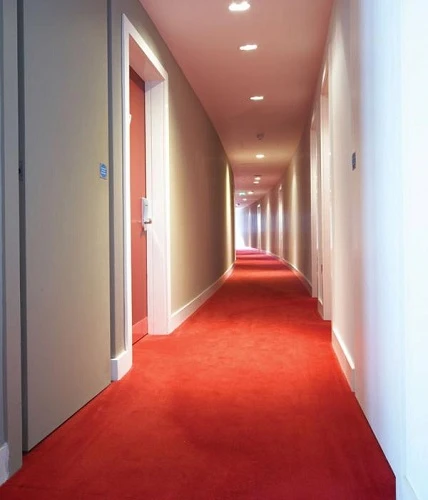
In hospitality settings, the role of carpet design is especially significant. Hotel Carpets must balance visual appeal with practical performance, often handling high footfall, luggage wheels, and daily cleaning. A bespoke solution allows designers to incorporate elements of the hotel's branding while addressing the functional needs of lobbies, suites, corridors, and conference areas.
Texture, colour, and pattern selection can all influence the mood and elegance of a hotel. Deep-toned velvets may suggest luxury and comfort, while contemporary patterns in lighter hues can brighten interiors and support modern brand positioning. By tailoring carpets to reflect the brand’s personality, hotels can create a strong and memorable atmosphere that begins the moment a guest steps inside.
Office Spaces: Balancing Professionalism and Comfort
For corporate offices, bespoke carpets offer a chance to communicate professionalism without sacrificing comfort. Flooring that reflects company colours or design principles contributes to a cohesive environment that enhances employee pride and visitor confidence. In open-plan layouts, different patterns can be used to define zones without the need for partitions, supporting both form and function.
Acoustic properties also matter in office design. Carpets with sound-dampening qualities can improve focus and reduce noise distraction, particularly in collaborative environments. These practical benefits, when delivered through a branded design, underline the company’s attention to detail and workplace wellbeing.
Retail Environments: Guiding Customer Experience
In retail, every design decision influences how customers engage with the space. Bespoke carpets can be used to highlight feature areas, guide foot traffic, or draw attention to displays. Branded patterns subtly incorporated into flooring create a consistent story from window display to till point, contributing to a memorable shopping experience.
Durability remains key — retail carpets must withstand high levels of wear while retaining their appearance. With bespoke options, materials and weaves can be selected specifically for longevity, stain resistance, and ease of maintenance. At the same time, design freedom ensures the carpet supports the visual merchandising strategy, reinforcing the overall retail brand.
Bespoke Carpets and Sustainability Goals
Responsible Material Choices
Commercial brands are increasingly judged on their environmental credentials, making sustainability a central part of design decisions. Bespoke Carpets offer the advantage of material specification, allowing businesses to choose fibres that align with corporate responsibility goals. Natural wool, for example, is renewable, biodegradable, and inherently durable — making it both an ethical and practical choice.
There are also options that incorporate recycled content, including underlays made from repurposed automotive tyres. These reduce environmental impact while improving acoustic and thermal performance. By working with manufacturers who prioritise sustainable sourcing and transparent supply chains, companies can meet internal sustainability targets without compromising on quality or design intent.
Longevity and Waste Reduction
Durability is a sustainability factor in itself. Carpets that last longer reduce the need for replacement, saving on raw materials, energy, and transport. With bespoke designs, wear resistance and lifespan can be built into the specification from the start, selecting fibres and construction methods suited to the demands of the environment.
A custom-fit approach also reduces installation waste. Instead of adapting standard-sized products, designers can work with manufacturers to produce precisely what is needed, cutting down on offcuts and excess. This efficient production process supports broader environmental goals and helps reduce the lifecycle cost of the flooring solution.
Meeting Corporate Environmental Standards
For many organisations, sustainability is now a measurable requirement, whether in response to internal ESG policies or external certifications like BREEAM or WELL. Choosing bespoke carpets with proven environmental performance supports compliance with these frameworks. Specifications can be aligned with low-VOC emissions, ethical sourcing, and recyclable end-of-life solutions.
Manufacturers who understand these standards can advise on how to meet them without limiting design options. This guidance is especially important in sectors like hospitality or public infrastructure, where both brand image and accreditation requirements must be balanced. Bespoke doesn’t just mean custom visuals — it means tailored performance for every priority.
Choosing the Right Carpet Partner
Collaboration and Communication in Design
A successful bespoke carpet starts with a conversation. Designers, specifiers, and manufacturers must work closely to translate brand vision into woven form. This process involves idea development, technical feasibility, and sample production — all guided by open communication. With the right partner, this collaboration becomes streamlined and supportive, allowing creativity to flourish.
Whether the project involves a one-off statement piece or a full building rollout, clear communication ensures accuracy and brand fidelity. From CAD mock-ups to hand trials, design tools help visualise the outcome before production begins. This early-stage investment reduces risk and keeps the project on track, both creatively and commercially.
Manufacturing Expertise and Installation Support
Not all manufacturers are equal. A strong partner brings deep knowledge of materials, weaving technology, and installation logistics. Their input is critical in selecting the right fibre blend, deciding on pile height, and ensuring the carpet performs in its intended environment. For commercial clients, this expertise translates into better results and fewer setbacks.
Installation also matters. A complex pattern may require specific laying sequences or specialist fixings, particularly in high-traffic zones or multi-level venues. When handled by the original manufacturer or their trusted installers, the finished result retains the design integrity and performance characteristics envisioned during the planning phase.
Long-Term Maintenance and Aftercare
Commercial carpets live hard-working lives, and even the most resilient products need the right maintenance to stay looking their best. A quality supplier will offer care guidelines tailored to the product, covering cleaning protocols, stain removal, and long-term upkeep. This advice helps protect the visual and structural integrity of the carpet for years to come.
Some manufacturers also offer ongoing support or refurbishment options, including reweaving or patch replacement for heavily worn areas. These services extend the life of the product and reinforce the brand’s investment in quality. Choosing a partner that supports aftercare ensures the carpet continues to enhance the commercial environment well beyond installation.
Also Visit @Bespoke Carpet and Hotel Carpets: Elevating Luxury Spaces with Tailored Flooring Solutions

















Sign in to leave a comment.