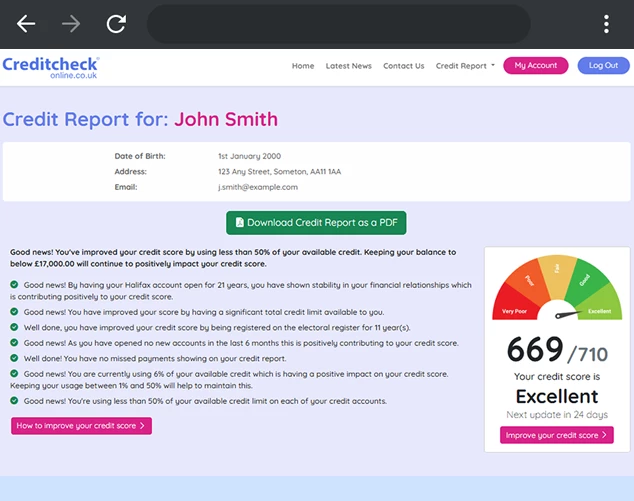
Maintaining a healthy credit history is crucial for achieving financial goals. Your credit report history is a record of your financial behavior, including loans, credit card usage, and payment history. Understanding how to check your credit report history can help you improve your credit score, detect errors, and protect yourself from identity theft. In this guide, we will walk you through everything you need to know about checking your credit report history.
What is a Credit Report History?
A credit report history is a detailed account of your credit activity over time. It includes information about your:
- Credit accounts: Details of your credit cards, loans, and mortgages.
- Payment history: Records of on-time payments, late payments, or defaults.
- Credit inquiries: Instances where a lender has checked your credit for loan or credit applications.
- Public records: Bankruptcies, tax liens, or other financial legal actions.
Your credit report history is maintained by credit bureaus, which compile your financial activity from banks, lenders, and other institutions.
Why Checking Your Credit Report History is Important
Regularly reviewing your credit report history provides several benefits:
Monitor Your Financial Health
Your credit report shows a snapshot of your financial behavior. By reviewing it, you can track your credit usage, ensure timely payments, and identify areas that need improvement.
Detect Errors and Discrepancies
Sometimes, your credit report may contain mistakes, such as incorrect account balances or unrecognized inquiries. Catching these errors early can prevent negative impacts on your credit score.
Protect Against Identity Theft
Unauthorized accounts or inquiries on your credit report may indicate identity theft. Checking your report regularly helps you detect fraud before it causes serious financial damage.
Improve Your Credit Score
Understanding your credit report helps you make informed decisions to boost your credit score, which is essential for loan approvals, lower interest rates, and better financial opportunities.
How to Check Your Credit Report History
Step 1: Identify Your Credit Bureaus
In most countries, there are major credit bureaus that maintain your credit report. For example, in the UK, you can check your credit history through Experian, Equifax, and TransUnion.
Step 2: Request Your Credit Report
You can request your credit report online, by mail, or via a mobile app, depending on the bureau. Many bureaus provide a free credit report once a year.
Step 3: Review the Report Carefully
Check all sections of your credit report:
- Personal information: Ensure your name, address, and contact details are correct.
- Accounts and loans: Verify that all listed accounts are yours and check for any overdue payments.
- Credit inquiries: Ensure that all inquiries were authorized.
- Public records: Look for any legal or financial records that do not belong to you.
Step 4: Dispute Any Errors
If you notice incorrect information, immediately contact the credit bureau to dispute the error. Provide supporting documents to correct inaccuracies.
Tips for Maintaining a Healthy Credit History
- Pay bills on time and in full whenever possible.
- Keep credit card balances low relative to your credit limit.
- Avoid applying for too many credit accounts in a short period.
- Regularly monitor your credit report to stay informed.
Conclusion
Checking your credit report history is a vital step in managing your financial health. It helps you monitor your finances, detect errors, prevent fraud, and improve your credit score. By reviewing your report regularly and taking proactive steps, you can maintain a strong credit profile and achieve greater financial security. Make it a habit to check your credit report at least once a year and stay informed about your financial status.



















Sign in to leave a comment.