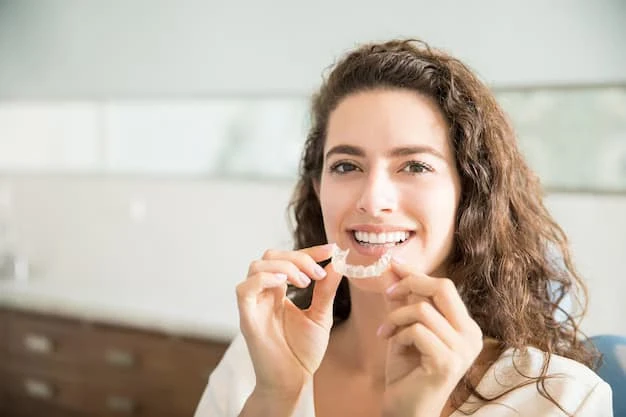

Completing orthodontic treatment is a major milestone, but keeping teeth in their new position is an ongoing responsibility. This is where retention becomes critical. After braces or aligners are finished, patients are usually advised to wear retainers to prevent their teeth from shifting over time. Today, the most common choice often comes down to a traditional retainer or an Invisalign retainer.
Both options are effective, but they work differently and suit different preferences. Understanding how each retainer functions can help you choose the option that best supports long-term smile stability.
Why Retainers Are Essential After Treatment
Teeth are not permanently fixed in place. Even after successful orthodontic treatment, the surrounding bone and tissues need time to adapt. Without retention, teeth can gradually move back toward their original positions.
Retainers hold teeth steady during this adjustment period and beyond. Many orthodontic providers now emphasize that retention is a long-term commitment, not a short phase. Whether you choose a traditional option or an Invisalign retainer, consistent wear is what protects your results.
What Traditional Retainers Are
Traditional retainers usually fall into two categories: removable acrylic-and-wire retainers or fixed retainers bonded behind the teeth.
Removable traditional retainers often include a plastic base that rests against the roof of the mouth or behind the lower teeth, along with a thin wire across the front. Fixed retainers are thin wires attached to the back of the teeth and remain in place full-time.
These retainers have been used for decades and are still widely recommended in certain situations.
What an Invisalign Retainer Is
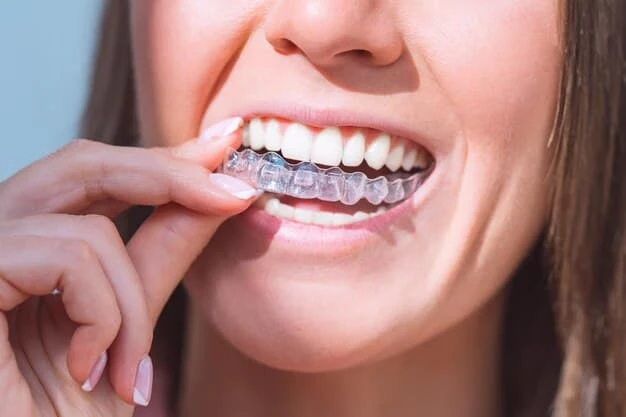
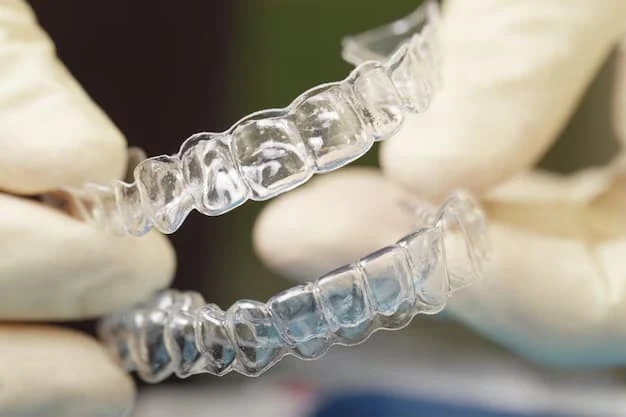
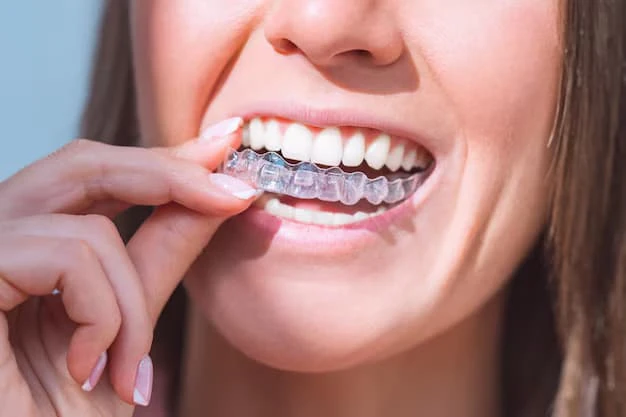
An Invisalign retainer is a clear, removable appliance custom-made from digital scans of your teeth. It looks similar to an Invisalign aligner but is designed specifically to maintain alignment rather than move teeth.
Because it fits closely over the teeth, the Invisalign retainer applies even support across the smile. Many patients who completed treatment with clear aligners find the transition to an Invisalign retainer familiar and comfortable.
Appearance and Discretion
One of the most noticeable differences between the two options is appearance. Traditional removable retainers can be visible when speaking or smiling, especially those with a front wire. Fixed retainers are hidden but may still be felt by the tongue.
An Invisalign retainer is clear and low-profile. It’s difficult to notice in everyday conversation, which makes it appealing to adults and teens who prefer discreet post-treatment care. This subtle design often encourages more consistent wear.
Comfort and Daily Wear
Comfort plays a big role in long-term compliance. Traditional retainers can feel bulky, especially those with acrylic components. Some patients adapt quickly, while others find them uncomfortable for extended wear.
The Invisalign retainer is made from smooth, thin material designed to reduce irritation. Because it fits snugly over the teeth, many patients find it easier to wear it overnight or for extended periods. Comfort often translates into better consistency, which directly impacts long-term results.
Maintenance and Oral Hygiene
Oral hygiene is another important consideration. Removable traditional retainers must be cleaned carefully to avoid odor and buildup. Fixed retainers require extra attention when brushing and flossing, as plaque can collect around the bonded wire.
An Invisalign retainer is removable, allowing patients to brush and floss normally. Cleaning the retainer itself is usually straightforward, which supports better hygiene habits over time.
For patients who value ease of maintenance, this can be a deciding factor.
Durability and Replacement
Traditional retainers are generally durable, but they can still break or warp if exposed to heat or mishandled. Fixed retainers may loosen or break and require repair.
One advantage of an Invisalign retainer is digital record storage. Because it’s made from a digital scan, replacements can often be created without starting from scratch. This makes replacement simpler if the retainer is lost or damaged.
However, Invisalign retainers may need periodic replacement over time due to normal wear.
Lifestyle and Responsibility
Lifestyle plays a role in retainer choice. Fixed retainers require no daily decisions, which can be helpful for patients concerned about forgetting to wear removable appliances.
An Invisalign retainer, while removable, requires responsibility. Patients must remember to wear it as directed and store it properly when not in use. Many adults and older teens prefer this flexibility, while some younger patients may benefit from fixed retention.
Choosing the right option depends on habits and comfort with responsibility.
Long-Term Stability Considerations
Some orthodontic providers recommend combining retention methods, such as a fixed retainer on the lower teeth along with a removable Invisalign retainer at night. This approach can provide added stability in areas more prone to shifting.
Whether traditional or Invisalign-based, the most effective retainer is the one that is worn consistently. Long-term success depends less on the type of retainer and more on adherence to the retention plan.
How to Decide Which Is Right for You
When choosing between a traditional retainer and an Invisalign retainer, consider:
- How important discretion is to you
- Your comfort preferences
- Your ability to maintain and clean the retainer
- Your willingness to wear a removable appliance consistently
- Your orthodontist’s recommendation based on your case
A professional evaluation helps align these factors with your long-term goals.
Final Thoughts
Retention is a critical part of orthodontic care. The decision between traditional retainers and an Invisalign retainer should be made thoughtfully. Both options are effective when used correctly, but they offer different experiences in terms of comfort, appearance, and maintenance.
The Invisalign retainer has become a preferred choice for many patients because it combines discretion, comfort, and modern digital precision. Traditional retainers still play an important role, especially in cases where fixed retention is beneficial.
Ultimately, the best retainer is the one that fits your lifestyle and supports consistent wear. With the right choice and commitment, your smile can remain stable and well-aligned long after treatment ends.



























Sign in to leave a comment.