




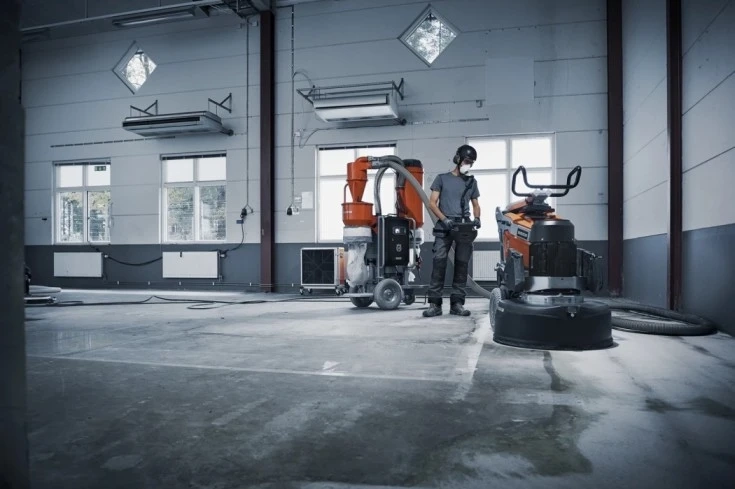
When it comes to floor preparation and surface restoration, the choice of the right floor grinding machine is paramount. The diversity of projects, from large industrial spaces to DIY home improvements, demands careful consideration of factors such as size, power, and specific features. In this comprehensive guide, we will explore the key considerations in choosing the perfect floor grinding machine to ensure your project achieves optimal results.
Types of Floor Grinding Machines:
Before diving into the selection process, it's essential to understand the main types of floor grinding machines available:
Single-Headed Grinders:
Ideal for smaller projects and tight spaces.Typically used for residential or light commercial applications.Offers precision in grinding, making them suitable for intricate detailing work.Dual-Headed Grinders:
Covers a larger surface area compared to single-headed grinders.Suitable for medium-sized projects and commercial applications.Increased productivity due to the larger grinding path.Planetary Grinders:
Features multiple rotating heads that move in a circular motion.Efficient for large surface areas and heavy-duty applications.Provides consistent results on different types of surfaces.Edging Grinders:
Designed specifically for grinding along edges and corners.Compact and maneuverable for detail work near walls or fixtures.Complements larger grinders for a comprehensive floor grinding solution.Factors to Consider:
1. Project Size and Scope:
Consider the size of the area you need to grind. For smaller spaces, a single-headed or edging grinder may suffice, while larger areas might require a dual-headed or planetary grinder for efficiency.2. Power Requirements:
Evaluate the power specifications of the machine, typically measured in horsepower (HP). Higher HP machines are suitable for heavy-duty projects, while lower HP machines are more appropriate for lighter tasks.3. Grinding Speed and Efficiency:
Different machines have varying grinding speeds. Assess the speed requirements based on your project timeline and the desired finish. Higher speeds are generally more efficient but may require more skill to control.4. Ease of Maneuverability:
Consider the maneuverability of the machine, especially if you're working in tight spaces or require intricate detailing. Edging grinders are designed for precision in navigating corners and edges.5. Dust Collection Systems:
Choose a floor grinding machine with an effective dust extraction system. This not only ensures a cleaner working environment but also contributes to the longevity of the equipment by preventing dust-related issues.6. Versatility and Adjustability:
Look for machines with adjustable settings for grinding depth and pressure. This versatility allows you to adapt the machine to different surfaces and project requirements.7. Ease of Maintenance:
Consider the maintenance requirements of the machine. Machines with easy-to-access parts and straightforward maintenance procedures can save time and ensure the longevity of the equipment.8. Budget Considerations:
Evaluate your budget constraints and find a machine that offers the best balance between cost and features. While it's tempting to opt for the most powerful machine, it's crucial to align its capabilities with the specific needs of your project.Making the Decision:
1. Assessing Project Requirements:
Clearly define the scope and requirements of your project. Take into account the size of the area, the type of surface you're working on, and the desired finish.2. Matching Machine Types to Project Needs:
Based on your assessment, identify which type of floor grinding machine aligns with your project requirements. Single-headed, dual-headed, planetary, or edging grinders each have their unique applications.3. Comparing Specifications:
Compare the specifications of different machines within the chosen type. Look at power ratings, grinding speeds, and other features to find the machine that best meets your criteria.4. Considering Long-Term Benefits:
Think beyond the immediate project. Investing in a quality machine may have long-term benefits in terms of durability, efficiency, and the quality of the finished surface.5. Reading Reviews and Seeking Recommendations:
Explore user reviews and seek recommendations from industry professionals or colleagues who have experience with similar projects. Real-world feedback can provide valuable insights into the performance of different machines.6. Demo and Testing:
Whenever possible, test the machine or request a demonstration. Getting hands-on experience allows you to assess how well the machine handles and whether it meets your expectations in terms of performance and ease of use.Choosing the right floor grinding machine is a critical step in the success of your project. By carefully considering factors such as project size, power requirements, grinding speed, and other features, you can ensure that the selected machine aligns with your specific needs. Whether you're tackling a small home improvement task or a large industrial project, investing time in the selection process will pay off in terms of efficiency, cost-effectiveness, and the quality of the final finish.