




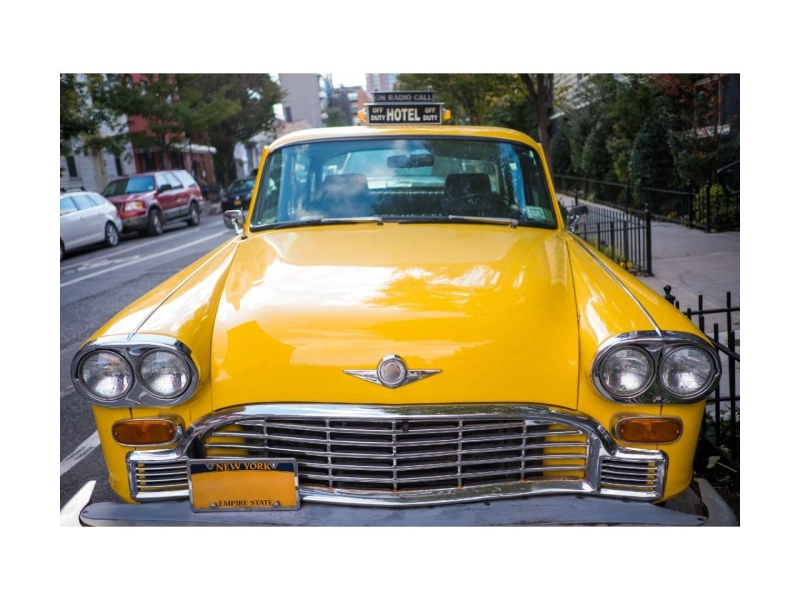
Classic cars tell stories. They hold history. They hold memories. They hold passion.
Jesse Leontowicz recently took on a special project: restoring a 1967 Mustang. This car is more than metal and paint. It is an icon. It is a piece of automotive heritage. Restoring it requires patience, skill, and attention to detail.
Seeing the Potential
When Jesse first saw the Mustang, it was worn.
- Faded paint
- Rusted panels
- An engine that coughed and sputtered
Some might see an old car. Jesse saw potential. He imagined the car as it was meant to be: sleek, powerful, and perfect. Restoration begins with vision.
Planning the Restoration
A careful plan is essential. Jesse mapped the process step by step:
- Assess the bodywork
- Examine the engine and transmission
- Catalog all missing parts
- Research original factory specifications
Classic cars demand authenticity. The goal was to match the original 1967 Mustang as closely as possible. Every bolt and trim piece was noted.
Bodywork and Paint
Rust is the enemy of a classic car.
Jesse tackled it carefully:
- Sandblasted old panels
- Replaced damaged metal
- Filled imperfections with precision fillers
Once the body was smooth, it was time for paint.
- Factory-correct colors were chosen
- Multiple coats of primer and paint were applied
- The clear coat finished the surface for shine
The car began to transform, slowly revealing its original beauty.
Engine and Mechanical Work
Restoring the Mustang isn’t just cosmetic. Jesse focused on the heart of the car: the engine.
- Rebuilt the V8 engine
- Refurbished carburetor and fuel lines
- Replaced worn belts and hoses
- Overhauled the suspension for safety
Every part was tested carefully. Performance had to match the look. A classic car should drive as well as it shines.
Interior Restoration
The inside of a classic car matters as much as the outside.
- Seats were reupholstered in original patterns
- Dashboard instruments were repaired or replaced
- Carpets, headliners, and door panels restored
- Steering wheel polished to original shine
The goal: authentic feel. Sitting inside should feel like stepping back to 1967.
Attention to Detail
Restoration is in the details.
- Chrome trims polished
- Original badges and emblems replaced
- Tires and wheels matched the original factory style
- Glass and seals renewed
These small touches create the final effect. The car does not just look restored—it feels restored.
Challenges Along the Way
Restoration is never easy.
- Parts can be rare and expensive
- Rust sometimes hides under layers
- Engine tuning takes patience
- Maintaining authenticity requires research
Jesse faced each challenge methodically. Each solved problem brought the Mustang closer to perfection. This is where craftsmanship meets passion.
The Final Reveal
After months of work, the Mustang was complete.
- Shiny factory-correct paint
- Engine running smoothly
- Interior immaculate
- Every detail accurate
The car was no longer just a shell of its past. It was alive again. A classic comeback. Jesse’s work shows how dedication and respect for history can revive something special.
The Broader Philosophy
Restoring a car is like restoring any craft. It requires:
- Vision
- Patience
- Precision
- Respect for the original design
Known for his work in other areas like sustainable housing and fine dining, Jesse applies the same eye for detail to restoration projects. Craftsmanship is universal.
You can follow updates and behind-the-scenes restoration stories through this classic car restoration update page.
There is also a page sharing technical insights and restoration progress here.
A Legacy Preserved
Restoring a 1967 Mustang is about more than a car.
- It preserves history
- It honors the craftsmanship of the past
- It inspires others to care for classics
This project reminds us that dedication, knowledge, and love for detail can bring something lost back to life. The Mustang is not just restored, it is reborn.