
Introduction
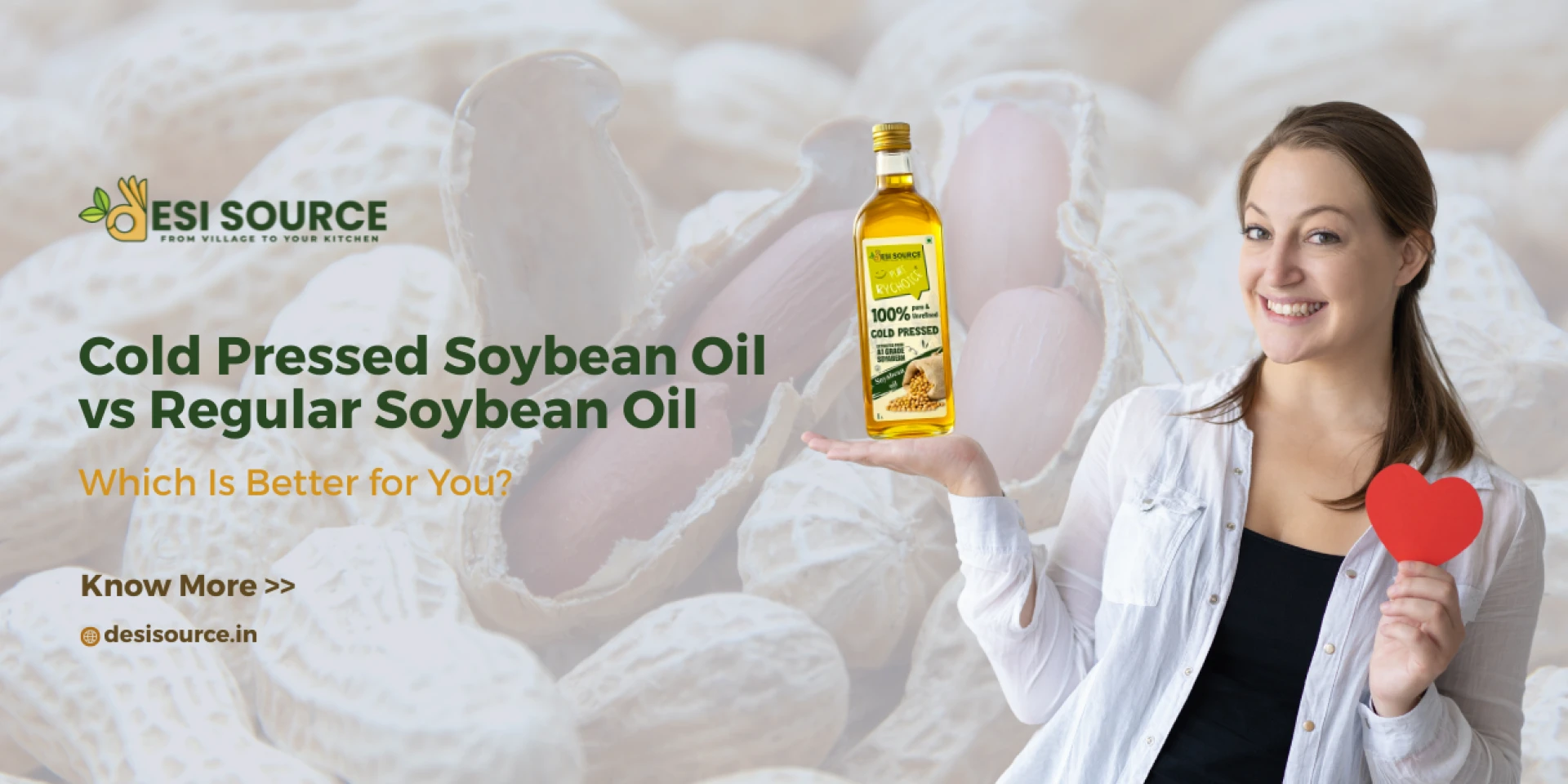
Choosing the right cooking oil can significantly impact your health, flavor in meals, and overall wellness. With the growing awareness of organic and natural products, more people are exploring Cold Press Soyabean Oil for daily cooking. However, many still rely on regular, refined soybean oil without understanding the nutritional differences. In this article, we’ll explore the key differences, health advantages, culinary benefits, and practical tips to help you decide: Cold Pressed Soybean Oil vs Regular Soybean Oil – which is truly better?
What is Cold Pressed Soybean Oil?
Understanding how Cold Pressed Soybean Oil is produced is essential to appreciating why it is healthier than regular oils. Cold pressing is a mechanical process where soybeans are crushed at low temperatures, preserving essential nutrients. Unlike refined oils, it avoids chemical solvents and high heat, which can destroy vitamins and healthy fatty acids.
Extraction Process
- Cold pressing retains antioxidants, vitamins, and essential fatty acids.
- Organic and non-GMO soybeans are often used, ensuring purity.
- The absence of chemical refining makes it ideal for health-conscious consumers.
Nutritional Profile
- Rich in omega-3 and omega-6 fatty acids for heart health.
- Contains vitamin E, which helps improve immunity and promotes healthy skin.
- Can help naturally lower cholesterol and reduce inflammation compared to refined oils.
What is Regular Soybean Oil?
Regular soybean oil, commonly found in supermarkets, is extracted and refined using high heat and chemical solvents. While it is inexpensive and widely available, the refining process often strips away many of the oil’s natural nutrients, making it less beneficial for health-conscious consumers.
Extraction and Refining
- High heat and chemical solvents are used to extract oil from soybeans.
- Bleaching and deodorizing treatments remove flavor but also reduce nutritional content.
- The process may introduce trans fats, which are harmful to heart health.
Nutritional Differences
- Contains fewer vitamins and antioxidants than Cold Press Soyabean Oil.
- Less effective for improving cardiovascular health.
- Frequent consumption may contribute to inflammation and other health issues.
Cold Pressed Soybean Oil Benefits
Switching to Cold Pressed Soybean Oil offers numerous health, culinary, and lifestyle benefits. These advantages make it a preferred choice for people seeking a healthier cooking oil without sacrificing flavor.
Health Benefits
- Supports heart health due to omega-3 and omega-6 fatty acids.
- Boosts immunity with natural antioxidants and vitamin E.
- Aids in weight management and reduces inflammation when incorporated into a balanced diet.
Culinary Advantages
- Maintains a rich, nutty flavor, enhancing the taste of salads, sautéed dishes, and light cooking.
- Preserves nutrients even during moderate cooking, unlike refined oils.
- Helps in better absorption of fat-soluble vitamins from foods.
Cosmetic and Lifestyle Uses
- Can be used as a natural moisturizer for skin and hair.
- Supports overall wellness when included in the daily diet.
- Offers a sustainable and natural alternative to chemically processed oils.
Example: Brands like Desi Source offer high-quality Pure Cold Pressed Soya Bean Oil, ensuring both authenticity and health benefits.
Cold Pressed Soybean Oil vs Regular Soybean Oil – Side-by-Side Comparison
A direct comparison helps clarify why Cold Pressed Soybean Oil is often considered superior to regular soybean oil.
Nutritional Value
- Cold-pressed retains all nutrients, including essential fatty acids and antioxidants.
- Regular oil loses most nutrients during chemical refining.
- Cold-pressed supports heart, skin, and immune health more effectively.
Taste and Aroma
- Cold-pressed has a rich, natural, nutty flavor.
- Regular soybean oil is bland due to bleaching and deodorizing.
- Flavor affects the overall quality of meals and cooking experience.
Shelf Life and Storage
- Cold-pressed oils have a shorter shelf life and should be stored in cool, dark places.
- Regular oils last longer but at the cost of nutrient content.
- Proper storage is key to maintaining oil quality and benefits.
Price and Accessibility
- Cold-pressed oils cost slightly more due to careful extraction and organic sourcing.
- Regular oils are cheaper and mass-produced.
- Many consumers find the health advantages of Premium Cold Pressed Soyabeans Oil worth the price.
Tip: Choosing authentic brands like Desi Source Soyabean Oil ensures you get pure, nutrient-rich cold-pressed oil.
How to Choose the Best Cold Pressed Soybean Oil
Selecting the right cold-pressed soybean oil ensures maximum health benefits and flavor.
Labels and Certifications
- Look for organic, non-GMO, and cold-pressed certifications.
- Ensure the product claims Purity, like “Pure Cold Pressed Soya Bean Oil.”
- Avoid oils with artificial additives, chemical residues, or preservatives.
Packaging and Storage
- Prefer dark glass bottles to preserve nutrients and prevent oxidation.
- Check proper sealing and storage recommendations.
- Store in cool, dry places to maintain freshness and shelf life.
Price vs Quality
- Higher prices often reflect authentic cold-press methods and organic sourcing.
- Evaluate benefits instead of just focusing on cost.
- Brands offering Premium Cold Pressed Soyabeans Oil are often worth the investment.
FAQs About Cold Pressed Soybean Oil
1. What is Cold Press Soyabean Oil, and how is it different from regular soybean oil?
Cold Press Soyabean Oil is extracted mechanically at low temperatures, preserving nutrients and flavor, unlike chemically refined regular oil.
2. Is Cold Press Soyabean Oil healthier than regular soybean oil?
Yes, it retains essential fatty acids, antioxidants, and vitamin E, supporting heart health, immunity, and skin wellness.
3. Can I use Cold Press Soyabean Oil for frying?
It is best for low to medium-heat cooking. High-heat frying may reduce some nutrients and flavor.
4. How does the price of Cold Pressed Soybean Oil compare to regular oil?
Cold-pressed oils are slightly more expensive due to organic sourcing and careful extraction, but the health benefits make it worthwhile.
5. Can Cold Press Soyabean Oil be customized for packaging or labeling?
Yes, premium suppliers like Desi Source offer custom bottle sizes, labels, and bulk packaging for business or retail purposes.
6. How long does Cold Pressed Soybean Oil last compared to regular oil?
Cold-pressed oils last 6–12 months and require cool, dark storage. Regular oil lasts longer but loses nutrients.
7. Does Cold Pressed Soybean Oil have cosmetic uses?
Yes, it acts as a natural moisturizer for skin and hair, promoting hydration and scalp health.
8. Is the quality of Cold Press Soyabean Oil reliable across brands?
Quality varies; choose certified, trusted brands like Desi Source to ensure authenticity and nutrient retention.
9. How does Cold Pressed Soybean Oil benefit heart health?
It contains omega-3 and omega-6 fatty acids, helping regulate cholesterol, reduce inflammation, and support cardiovascular wellness.
10. Can I buy Cold Pressed Soybean Oil in bulk for business purposes?
Yes, many suppliers provide bulk orders with branded labeling and reliable delivery.
11. How can I tell if Cold Pressed Soybean Oil is authentic?
Look for labels like “Cold Pressed,” “Pure,” or “Organic,” along with certifications from trusted brands such as Desi Source.
12. Is Cold Press Soyabean Oil worth the extra cost?
Yes. The nutritional advantages, antioxidants, and natural flavor justify the higher price compared to regular soybean oil.
Conclusion
Choosing Cold Press Soyabean Oil over regular soybean oil is a simple way to improve health, flavor, and overall wellness. With higher nutrient retention, antioxidants, and heart-friendly fatty acids, cold-pressed oils provide clear advantages. Switch to authentic options like Desi Source for Pure Cold Pressed Soya Bean Oil or Premium Cold Pressed Soyabeans Oil to ensure quality and authenticity. Make the healthier choice today and elevate your cooking and wellness journey.










Sign in to leave a comment.