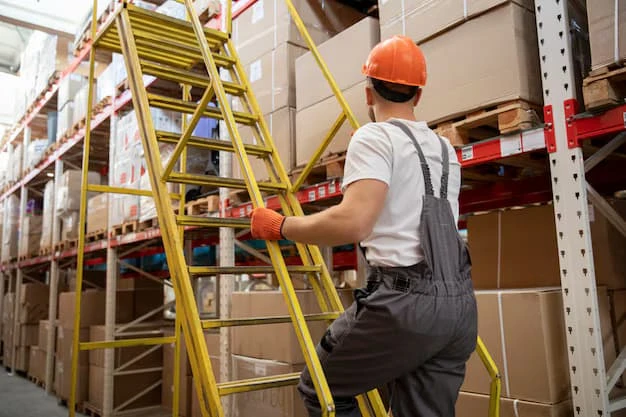

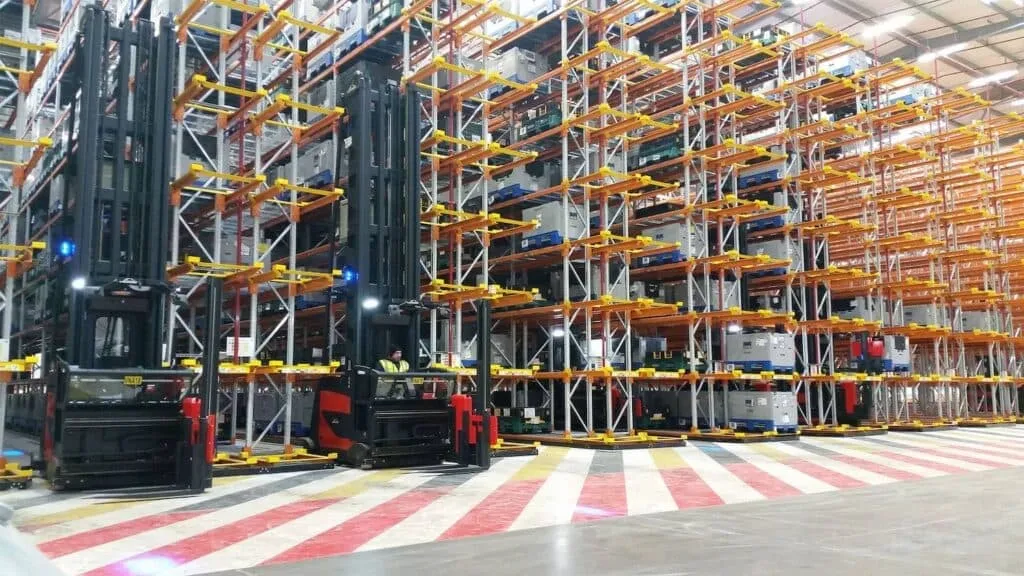
Warehouse storage systems play a critical role in safety, efficiency, and inventory management. Over time, even the strongest systems experience wear due to daily operations, forklift traffic, and environmental conditions. Understanding pallet racking repairs is essential for maintaining compliance, protecting workers, and avoiding costly downtime. When damage is identified early and addressed correctly, storage systems can remain safe and functional for many years. This article explores the most common types of pallet racking damage, their causes, and practical ways to fix them while maintaining long term performance.
Why Pallet Racking Repairs Are Important
Pallet racking systems are designed to handle heavy loads with precision. Any damage, even if it appears minor, can compromise the structural integrity of the entire system. Bent frames, misaligned beams, or loose anchors can lead to load instability, product loss, or serious workplace accidents.
Regular inspections and timely repairs help prevent escalating damage. They also ensure compliance with workplace safety regulations and industry standards. A proactive approach to maintenance reduces the risk of system failure and extends the life of warehouse infrastructure.
Common Causes of Pallet Racking Damage
Forklift Impact
Forklift collisions are the most frequent cause of racking damage. Tight aisles, rushed operations, and limited visibility increase the likelihood of impacts with upright frames or beams. Even low speed contact can weaken steel components over time.
Overloading
Exceeding the rated load capacity places excessive stress on beams and uprights. This can cause deflection, bending, or permanent deformation. Overloading often occurs due to improper load calculations or changes in inventory weight.
Improper Installation
If racking systems are not installed correctly, they may be uneven or unstable from the beginning. Poor alignment or missing anchors can accelerate wear and lead to early failure.
Environmental Factors
Moisture, temperature fluctuations, and corrosive environments can degrade metal components. Warehouses with poor climate control or exposure to chemicals often see faster deterioration of racking systems.
Identifying Signs of Damage
Bent or Twisted Uprights
Upright frames are vertical supports that bear the majority of the load. Any visible bending, twisting, or denting indicates structural weakness and should be addressed immediately.
Beam Deflection
Beams that sag under load are a clear warning sign. While some deflection is normal, excessive bending suggests overloading or material fatigue.
Loose or Missing Anchors
Anchors secure the racking system to the floor. If anchors are loose, missing, or pulled out, the entire structure can shift or collapse under stress.
Cracked Welds
Welded joints connect critical components. Cracks or separations in welds reduce load capacity and increase the risk of sudden failure.
Pallet Racking Repair Methods
Replacing Damaged Uprights
When uprights are severely damaged, replacement is often the safest option. Temporary fixes such as straightening bent steel are not recommended because they weaken the material. Replacing the damaged frame restores the original load rating and stability.
Beam Replacement or Adjustment
Damaged beams should be removed and replaced with components that meet the original specifications. In some cases, adjusting beam height can redistribute loads and reduce stress on affected areas.
Anchor Repair and Reinforcement
Loose anchors can sometimes be retightened if the concrete floor is intact. If the floor is damaged, new anchor points may be required. Reinforcing anchors ensures the racking system remains securely fixed.
Installing Column Protectors
Column protectors act as barriers between forklifts and upright frames. Installing these protective elements reduces the likelihood of future impacts and extends the lifespan of the system.
Preventive Maintenance Strategies
Regular Inspections
Routine visual inspections help identify damage early. Inspections should focus on high traffic areas and lower rack levels where impacts are more likely.
Load Management Training
Training staff on proper load placement and weight limits reduces the risk of overloading. Clear signage displaying load capacities also supports safe practices.
Aisle Design Optimization
Wider aisles and improved layout design reduce forklift collisions. Ensuring adequate turning space can significantly lower impact incidents.
Environmental Controls
Managing humidity and temperature helps prevent corrosion. Protective coatings can also be applied to racking components in harsh environments.
When to Repair vs Replace
Not all damage can be repaired safely. Minor issues such as loose bolts or small dents may be repairable, while major structural deformation requires replacement. A qualified assessment is essential to determine the best course of action.
Repairing components that have lost their structural integrity can create a false sense of security. Replacement ensures compliance with safety standards and protects both personnel and inventory.
Safety Considerations During Repairs
Load Removal
Before any repair work begins, all loads should be removed from the affected area. This prevents additional stress and ensures worker safety.
Temporary Support
Temporary supports may be required to stabilize adjacent sections during repairs. This prevents shifting or collapse while components are replaced.
Compliance with Standards
All repair work should meet relevant safety and engineering standards. Using compatible components ensures the system performs as designed.
Long Term Benefits of Proper Repairs
Timely and professional repairs extend the life of pallet racking systems. They reduce the risk of accidents, improve operational efficiency, and protect valuable inventory. Well maintained systems also enhance workplace morale by providing a safer environment for employees.
Investing in proper maintenance and repair strategies ultimately saves money by preventing major failures and unplanned downtime.
Conclusion
Pallet racking systems are a vital part of warehouse operations, and their condition directly impacts safety and productivity. Understanding common types of damage, knowing how to address them, and implementing preventive measures ensures long term performance and compliance. Regular inspections, proper training, and timely repairs are key to maintaining a reliable storage system. For expert guidance and dependable solutions, Dalvie Systems offers the experience and knowledge needed to support safe and efficient warehouse environments.


























Sign in to leave a comment.