




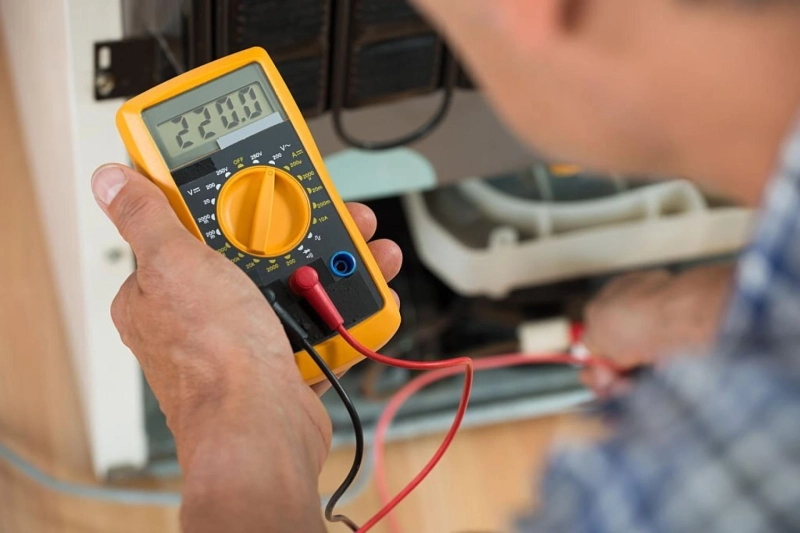
Refrigerators are essential appliances in every household, keeping our food fresh and safe to eat. However, like any other appliance, they can encounter problems. Understanding these common issues and knowing how to troubleshoot them can save you time, money, and prevent food spoilage. In this comprehensive guide, we\'ll explore some typical refrigerator problems and offer practical solutions. Whether you\'re dealing with a fridge that won\'t cool, a noisy unit, or a leaking appliance, Appliance Genie LLC has got you covered.
1. Refrigerator Not Cooling
One of the most common refrigerator problems is when it stops cooling effectively. This issue can lead to spoiled food and significant inconvenience. Here are some troubleshooting steps:
Check the Thermostat
Ensure that the thermostat is set to the correct temperature. Sometimes, it can be accidentally adjusted to a higher setting.
Clean the Condenser Coils
Dirty condenser coils can impede cooling efficiency. Unplug the refrigerator, locate the coils (usually at the back or underneath the unit), and clean them with a vacuum or brush.
Inspect the Door Seals
Worn-out door seals can cause cool air to escape, making the fridge work harder to maintain the temperature. Check for gaps or cracks in the seals and replace them if necessary.
Examine the Evaporator Fan
The evaporator fan circulates air throughout the fridge. If it\'s not working, your fridge won\'t cool properly. Listen for the fan running; if it\'s silent, it might need replacing.
2. Refrigerator is Too Noisy
A noisy refrigerator can be disruptive, especially in open-plan living spaces. Here’s how to address the common causes of refrigerator noise:
Level the Fridge
Ensure the refrigerator is level. An uneven fridge can cause vibrations and noise. Adjust the feet or place shims under the fridge to stabilize it.
Check the Fan and Motor
The condenser fan and evaporator fan can sometimes be noisy if they’re malfunctioning. If you hear a loud humming or buzzing, these components might need replacing.
Tighten Loose Parts
Loose parts, such as the drip pan or internal shelves, can rattle and make noise. Check all parts inside and outside the fridge and tighten any loose screws or fittings.
3. Water Leakage
Water leakage is another common refrigerator issue. It can cause water damage to your kitchen floor and promote mold growth. Here’s how to troubleshoot it:
Clear the Defrost Drain
A clogged defrost drain can cause water to pool inside the fridge and eventually leak out. Use a pipe cleaner or a piece of flexible tubing to clear any blockages.
Check the Water Supply Line
If your fridge has a water dispenser or ice maker, the water supply line might be the culprit. Inspect it for leaks and ensure it\'s securely connected.
Inspect the Drain Pan
The drain pan collects water from the defrost cycle. If it\'s cracked or overflowing, it can lead to leaks. Replace the pan if necessary and ensure it\'s properly positioned.
4. Ice Maker Not Working
A malfunctioning ice maker can be frustrating, especially during the summer months. Here are some steps to troubleshoot an ice maker that’s not working:
Check the Water Supply
Ensure the water supply line is connected and the water valve is open. Low water pressure can also affect ice production.
Inspect the Ice Maker Assembly
If the ice maker assembly is damaged or worn out, it may need replacing. Look for visible damage and consult your refrigerator\'s manual for replacement instructions.
Defrost the Ice Maker
Sometimes, ice can build up and block the ice maker\'s mechanism. Defrosting the ice maker might resolve the issue.
5. Refrigerator Runs Constantly
A refrigerator that runs continuously can increase your energy bills and indicate a problem. Here’s how to troubleshoot it:
Check the Door Seals
As mentioned earlier, faulty door seals can cause the fridge to run constantly. Ensure they’re sealing properly and replace them if needed.
Adjust the Thermostat
Setting the thermostat too low can make the refrigerator work harder than necessary. Adjust it to a moderate temperature setting.
Clean the Condenser Coils
Dirty coils can cause the fridge to overheat and run continuously. Regularly cleaning the coils can improve efficiency.
6. Fridge Light Not Working
If the fridge light isn’t working, it can be difficult to see inside your refrigerator, especially at night. Here’s how to fix it:
Replace the Bulb
The most common reason for a non-working fridge light is a burnt-out bulb. Replace it with a new one, ensuring it’s the correct wattage.
Check the Door Switch
The door switch turns the light on and off when the fridge door opens and closes. If it’s faulty, the light won’t work. Test the switch and replace it if necessary.
7. Refrigerator is Warm
If your refrigerator feels warm, it can lead to spoiled food. Here’s how to troubleshoot a warm fridge:
Inspect the Condenser Fan
The condenser fan cools the compressor and coils. If it’s not working, the fridge can become warm. Check for obstructions and ensure the fan is running.
Clean the Air Vents
Blocked air vents can restrict airflow, causing the fridge to warm up. Ensure that food items aren’t blocking the vents inside the fridge.
Check the Temperature Control
The temperature control thermostat regulates the fridge’s cooling cycle. If it’s faulty, the fridge might not cool properly. Test the thermostat and replace it if needed.
8. Refrigerator Door Not Closing Properly
A fridge door that doesn’t close properly can lead to cooling issues and increased energy consumption. Here’s how to fix it:
Adjust the Door Hinges
Over time, door hinges can become misaligned. Adjust the hinges to ensure the door closes properly.
Replace the Door Gaskets
Worn-out door gaskets can prevent the door from sealing correctly. Replace the gaskets if they’re damaged or worn.
Level the Fridge
An uneven fridge can cause the door to not close properly. Ensure the fridge is level and adjust the feet if necessary.
9. Freezer Isn’t Freezing
If your freezer isn’t freezing food, it can be a significant problem, especially for long-term food storage. Here’s how to troubleshoot it:
Check the Freezer Temperature
Ensure the freezer temperature is set correctly. The ideal temperature is 0°F (-18°C).
Inspect the Evaporator Coils
Frost buildup on the evaporator coils can prevent the freezer from freezing properly. Defrost the coils if necessary.
Test the Defrost Timer
The defrost timer controls the defrost cycle. If it’s faulty, the freezer might not freeze effectively. Test and replace the timer if needed.
10. Strange Odors
Strange odors inside the refrigerator can be unpleasant and indicate a problem. Here’s how to address it:
Clean the Fridge
Remove all food items and clean the interior with a mixture of baking soda and water. This helps eliminate odors and bacteria.
Check for Spoiled Food
Sometimes, spoiled food can cause bad smells. Regularly check and remove any expired or spoiled items.
Replace the Water Filter
If your fridge has a water dispenser, a dirty water filter can cause strange odors. Replace the filter according to the manufacturer’s instructions.
When to Call Appliance Genie LLCs
While many refrigerator problems can be resolved with some DIY troubleshooting, some issues require professional assistance. Appliance Genie LLC offers expert repair services for all your refrigerator needs. Here’s when to call the professionals:
Complex Repairs
If the issue involves electrical components, refrigerant, or complex parts, it’s best to call a professional to avoid further damage and ensure safety.
Persistent Problems
If the problem persists despite troubleshooting, a professional can diagnose and fix the issue accurately.
Warranty Concerns
If your refrigerator is under warranty, professional repairs are often required to maintain the warranty coverage.
Read More...Box Office Movie France Popullar 2024
Conclusion
Refrigerators are vital appliances, and knowing how to troubleshoot common problems can save you time and money. From cooling issues to noisy operations, this guide provides practical solutions to keep your fridge running smoothly. However, for complex repairs or persistent issues, trust Appliance Genie LLCs for expert assistance. With professional help, you can ensure your refrigerator stays in top condition, keeping your food fresh and your household running smoothly.