




In the fast-evolving construction landscape of the UAE, choosing the right materials is critical for safety, longevity, and efficiency. As part of the Leading Construction Solutions UAE, companies like Al Alam Al Thahabi continuously evaluate materials that can withstand the region’s harsh climate while meeting modern architectural and engineering demands. Among the most commonly debated materials are aluminum and steel—each with its own strengths, limitations, and ideal applications.
This article breaks down their differences to help contractors, developers, and property owners make informed, project-specific decisions.
1. Understanding the Importance of Material Selection in UAE Construction
The UAE’s construction sector is shaped by a combination of rapid development, high-rise architecture, and environmental challenges. Material selection must account for:
- Extreme temperatures
- High humidity levels
- Coastal conditions causing corrosion
- Stringent building codes and sustainability requirements
Both aluminum and steel play essential roles, but their suitability varies depending on the project type, weight-bearing needs, design complexity, and weather exposure.
2. Aluminum in UAE Construction
2.1 Key Properties of Aluminum
Aluminum is widely known for its lightweight composition, versatility, and corrosion resistance. These characteristics make it highly popular in the UAE’s commercial and residential projects.
Advantages of Aluminum
a. Superior Corrosion Resistance
One of aluminum’s strongest advantages is its natural ability to resist rust. This is especially important in UAE coastal regions like Dubai, Abu Dhabi, and Sharjah, where salt-laden air can accelerate the deterioration of other metals.
b. Lightweight Yet Strong
Aluminum is approximately one-third the weight of steel, reducing structural load. This is beneficial for:
- High-rise facade systems
- Window and door frames
- Cladding and roofing systems
Lighter weight also simplifies transportation and installation.
c. Energy Efficiency
Aluminum supports energy-efficient construction through:
- Thermal-break technology
- Reflective surfaces
- Insulated aluminum frames
This can help reduce cooling loads—an important factor in UAE’s hot climate.
d. High Flexibility and Workability
Aluminum is easier to mold, bend, and customize, making it ideal for complex designs, modern architecture, and curtain wall systems.
Limitations of Aluminum
- Not as strong as steel for heavy load-bearing structures
- Can be costlier depending on market conditions
- May require thermal breaks to prevent heat transfer in UAE summers
3. Steel in UAE Construction
3.1 Key Properties of Steel
Steel has long been the backbone of structural engineering due to its exceptional strength, durability, and load-bearing capabilities.
Advantages of Steel
a. Outstanding Strength and Load Capacity
Steel’s strength makes it essential for:
- Skyscraper frameworks
- Bridges
- Large-span industrial facilities
- High-load structural components
It provides rigidity and support where aluminum cannot.
b. Ideal for Heavy-Duty Applications
Steel is favored in UAE sectors like manufacturing, logistics, and oil and gas for:
- Warehouses
- Platforms
- Pipelines
- Structural beams
Its robustness under heavy stress sets it apart.
c. Fire Resistance
Steel performs better than aluminum during fire incidents and can maintain structural integrity at higher temperatures.
Limitations of Steel
- Highly susceptible to corrosion in humid, coastal, or salty environments
- Requires regular maintenance (coatings, paints, galvanizing)
- Heavier weight increases transportation and installation costs
- Heat conductivity can affect energy efficiency if not insulated properly
4. Aluminum vs. Steel: Side-by-Side Comparison
When evaluating aluminum and steel for UAE construction projects, it's important to understand how each material performs across key factors such as durability, strength, climate resistance, cost, and ease of use.
4.1 Weight
Aluminum is significantly lighter than steel, making it easier to transport, handle, and install. Its lightweight nature is especially valuable in high-rise buildings and facade systems. Steel, by comparison, is heavier and requires more structural support during installation.
4.2 Strength
Steel offers exceptional strength and load-bearing capacity, making it the preferred material for structural frameworks, beams, and industrial facilities. Aluminum is strong for its weight but cannot match steel in heavy-duty applications.
4.3 Corrosion Resistance
Aluminum naturally resists corrosion, an essential advantage in the UAE’s humid and coastal environments. Steel, on the other hand, is prone to rust unless it undergoes galvanizing or other protective treatments, which adds to maintenance needs over time.
4.4 Cost
Aluminum can be moderately expensive, especially for large projects or specialized applications. Steel is generally cost-effective depending on the grade and market conditions. However, long-term maintenance costs can be higher for steel due to corrosion protection requirements.
4.5 Lifespan in UAE Climate
Because of its natural corrosion resistance, aluminum tends to last longer in the UAE's harsh climate with minimal maintenance. Steel structures can also offer long lifespans but only when carefully protected from moisture, salt exposure, and extreme heat.
4.6 Workability
Aluminum is highly workable, allowing architects and engineers to create complex shapes, sleek facades, and modern designs. Steel is workable too, but requires more effort and specialized equipment, making aluminum the preferred choice for intricate detailing.
4.7 Best Uses
Aluminum excels in applications like facades, cladding, doors, windows, and lightweight architectural elements. Steel is the top choice for foundational structures, industrial frameworks, beams, and heavy-load projects.
5. Which Material Is Better for UAE Projects?
The choice between aluminum and steel depends entirely on the project requirements.
5.1 Choose Aluminum If:
- The project involves facades, glass systems, doors, or window frames
- Lightweight materials are needed
- Corrosion resistance is essential
- Energy-efficient design is a priority
- You need a modern, flexible material for architectural customization
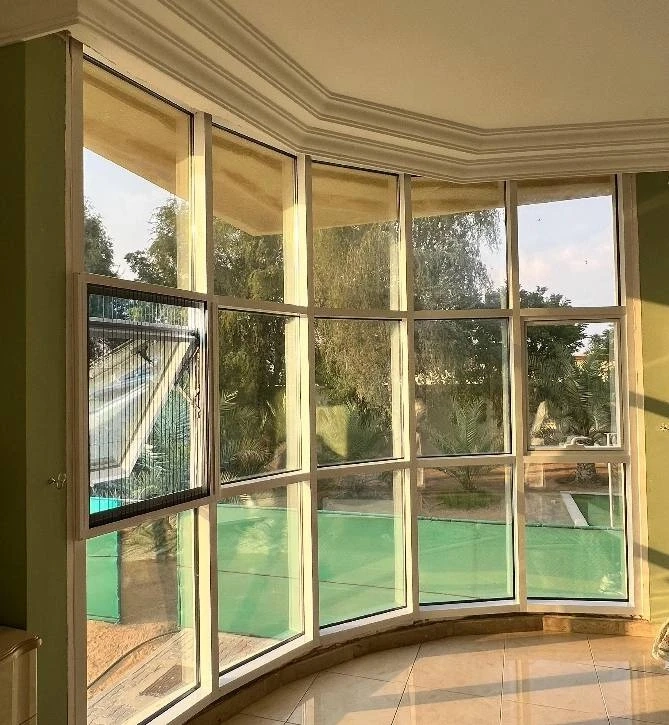
Aluminum is ideal for residential towers, luxury villas, curtain walls, commercial shopfronts, and external cladding.
5.2 Choose Steel If:
- The structure requires maximum strength and stability
- The project includes industrial or heavy-load infrastructure
- Fire resistance is critical
- Cost-efficiency for large-scale structural frameworks is needed
Steel is best suited for warehouses, skyscraper skeletons, mezzanines, bridges, factories, and heavy framing systems.
6. The Verdict: A Balanced Approach for UAE Construction
In reality, both aluminum and steel are integral to modern UAE infrastructure. A balanced approach often yields the best results—steel for core structural strength and aluminum for architectural finishing, facades, and external elements exposed to harsh weather.
Companies like Al Alam Al Thahabi, recognized as part of the Leading Construction Solutions UAE, specialize in delivering high-quality aluminum, metal, and fabrication solutions tailored for both structural and architectural needs. Their expertise ensures that each material is used where it performs best, enhancing durability, safety, and aesthetic appeal.
Final Thoughts
Whether building a high-rise tower, a commercial complex, or a residential property, selecting the right material is vital for long-term performance in the UAE’s demanding conditions. Aluminum offers unmatched durability against corrosion and flexibility, while steel provides the strength needed for foundational and industrial structures.
By understanding their differences, developers and contractors can make smarter, climate-resistant, and cost-effective choices that elevate the quality and lifespan of their projects.