





Credit cards are powerful financial tools that offer convenience, security, and the ability to build a strong credit history. However, they can also be confusing for first-time users. Understanding how credit cards work is the first step toward managing your finances responsibly and avoiding unnecessary debt.
This guide provides a clear overview of credit card basics, key terms, and best practices to help you navigate your financial journey with confidence.
What Are Credit Cards and How Do They Work?
What Is a Credit Card?
A credit card is a payment card issued by a financial institution that allows you to borrow funds to pay for goods and services. Unlike a debit card, which pulls money directly from your checking account, a credit card allows you to pay for purchases later, up to a pre-set credit limit.
How Credit Cards Work in Real Life
When you use a credit card to buy groceries, the card issuer pays the merchant on your behalf. You then owe that amount to the issuer. You will receive a monthly statement detailing your purchases, and you must pay back the borrowed amount by a specific due date.
Credit Card vs Debit Card: What’s the Difference?
The primary difference lies in the source of funds. A debit card uses your own money instantly. A credit card uses borrowed money that must be repaid. Additionally, responsible credit card use builds your credit history, whereas debit card usage typically does not.
Why People Use Credit Cards

Convenience and Cashless Payments
Credit cards are widely accepted globally and are essential for online shopping, booking travel, and handling emergencies when cash isn't available.
Building a Credit History
Using a credit card responsibly is one of the most effective ways to build a credit score. A good credit score is often required for renting apartments, securing mortgages, and obtaining favorable loan rates.
Rewards, Cashback, and Points Explained
Many issuers offer incentives such as cashback on purchases, travel points, or discounts. These rewards can provide significant value if the card is used wisely and balances are paid in full.
Key Credit Card Terms Every Beginner Should Know
- Credit Limit: The maximum amount you can borrow on the card at one time.
- Statement Date: The date your billing cycle ends and your bill is generated.
- Due Date: The date by which you must make a payment to avoid late fees and potential damage to your credit score.
- Minimum Payment: The smallest amount you must pay by the due date to keep your account in good standing.
- APR (Annual Percentage Rate): The yearly interest rate charged on borrowing.
- Fees: Common charges include annual fees, late payment fees, and foreign transaction fees.
How Credit Card Interest Works
What Happens If You Pay Your Balance in Full
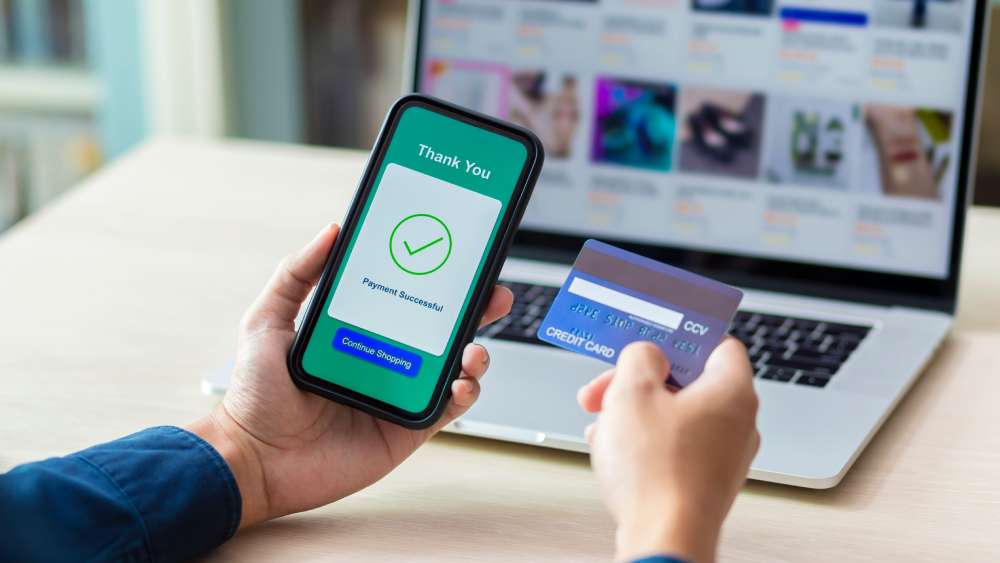
If you pay your entire statement balance by the due date every month, you generally will not be charged interest on new purchases. This is known as the "grace period."
What Happens If You Carry a Balance
If you pay only the minimum or less than the full balance, interest will begin to accrue on the remaining amount. This interest is often calculated daily based on your average daily balance.
Example: How Interest Adds Up Over Time
Imagine you have a $3,000 balance on a card with an 18% APR. If you only pay $100 a month, it would take roughly 41 months to pay off the debt, and you would pay approximately $1,015 in interest alone.
Types of Credit Cards for Beginners

- Starter/Basic Cards: These often have no annual fee and are designed for those with limited credit history.
- Secured Credit Cards: These require a cash security deposit that acts as your credit limit, reducing risk for the issuer.
- Student Credit Cards: Tailored for university students, these often have lower credit requirements and modest limits.
How to Choose the Best Credit Card for Beginners
When selecting your first card, prioritize building credit over earning rewards. Look for cards with no annual fee and verify if the issuer reports to major credit bureaus. Avoid applying for multiple cards at once, as this can negatively impact your credit score.
How to Use a Credit Card Responsibly
Paying Your Bill on Time
Payment history is the most significant factor in your credit score. Set up automatic payments or reminders to ensure you never miss a due date.
Keeping Your Credit Utilization Low
Experts generally recommend keeping your credit utilization—the percentage of your credit limit you are using—below 30%. For example, if your limit is $1,000, try not to carry a balance over $300.
How Credit Cards Affect Your Credit Score
Your credit score is influenced by several factors:
- Payment History (35%): Paying on time is crucial.
- Amounts Owed (30%): High balances relative to your limit can hurt your score.
- Length of Credit History (15%): Older accounts are beneficial.
- New Credit (10%): Opening too many accounts quickly is risky.
- Credit Mix (10%): A variety of credit types (cards, loans) can be helpful.
Pros and Cons of Credit Cards for Beginners
Advantages:
- Builds credit history
- Fraud protection
- Emergency funding source
- Potential rewards
Disadvantages:
- Risk of overspending
- High-interest debt if not paid in full
- Potential impact on credit score if managed poorly
Final Thoughts: Getting Started With Credit Cards as a Beginner
Obtaining your first credit card is a significant financial milestone. By understanding the terms, choosing the right card, and committing to responsible usage—specifically paying on time and in full—you can leverage credit to build a solid financial foundation. If you want to know more about credit card reviews, best card for, tips and credit card strategies visit my website.