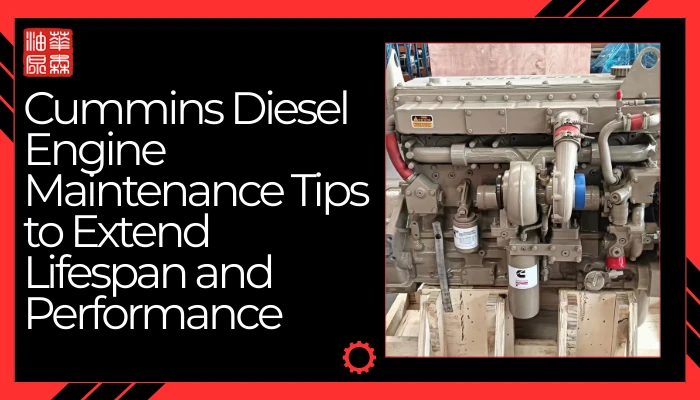

Cummins diesel engines are known to be very durable, reliable, and high-performing. These engines are designed to address the demanding workload such as heavy-duty trucks, industrial machinery, etc. But even the most robust Cummins engine needs proper maintenance to operate effectively and last longer.
Thousands of dollars can be saved in repair bills, and your Cummins engine can run at optimum capacity for several years. Routine maintenance enhances fuel efficiency, lowers emissions, and prevents unforeseen failures, hence it is necessary for both owners and fleet managers.
Understanding Your Cummins Diesel Engine
Cummins engines are designed differently compared to standard diesel engines. They are built for durability and efficient power consumption. They include important components such as the fuel system, which supplies fuel in the correct proportion; the turbocharger, which increases engine power; and the cooling system, which prevents overheating.
Other important components are the air intake system, which introduces clean air, and the exhaust system, which minimizes smoke and pollution. Many Cummins engines contain smart electronics that monitor performance and prevent issues.
Importance of Regular Maintenance
Maintaining your Cummins engine is a good way to make it last longer and avoid costly repairs. It also consumes less fuel and maintains a clean engine.
Maintaining your engine regularly can save you money and hassle in the long run, as it reduces the possibility of unplanned breakdowns.
Routine Maintenance Checklist
Engine Oil and Filter Changes
Use engine oil recommended by Cummins. Change the oil and filter as per the manufacturer’s recommendation. Watch for spoiled oil, which is usually dark or has a burnt odor.
Fuel System Maintenance
Replace fuel filters frequently. Quality diesel fuel should be used at all times to prevent contamination. Check fuel lines to ensure they are not leaking.
Air Filter Inspection and Replacement
A clean air filter ensures better engine performance and improves fuel efficiency. As per the driving conditions and the recommendation given by the manufacturer, replace the air filter.
Cooling System Maintenance
Check coolant levels regularly to prevent engine overheating. Change and fill coolant as suggested. Check hoses and radiator in case of leakage or cracks.
Battery and Electrical System Care
Ensure that the battery is fully charged. Examine the rust or corrosion contacts. Also, inspect alternators and wiring to ensure everything is in good condition.
Advanced Maintenance Tips
Turbocharger Care
Your engine is stronger and faster made by the turbocharger. To ensure safety, allow the engine to warm up before heavy driving and cool down before switching it off. Good engine oil should be used to prevent the accumulation of harmful substances.
Exhaust and Emission System Check
The exhaust cleans the engine of smog and nasty air. Dirt and pollution may clog it over time. Check it frequently and clean or replace parts to have the engine in good working condition.
Valve Adjustment and Timing
The air and fuel in the engine are regulated by valves. Timely adjustments help the engine run smoothly and last longer.
Software Updates and Diagnostics
Cummins engines also have software to monitor the health of the engine. Cummins INSITE software allows detecting problems early and repairing them before they deteriorate.
Common Cummins Engine Issues and Prevention
Overheating
Engines can overheat if the cooling system is not checked regularly. Check coolant levels and check hose and radiators to prevent overheating.
Fuel Injector Problems
Fuel injectors add fuel into the engine. Problems may be caused by bad fuel or dirty injectors. Use quality diesel and replace fuel filters friendly.
Turbocharger Failure
The turbocharger may fail if the engine is not properly warmed up or cooled down. Never forget to warm-up and cool down, and to use good oil.
Excessive Smoke or Strange Noise
Dark smoke or strange noises indicate an engine issue. This can be prevented by regular maintenance such as changing the oil, checking the air filter as well as checking the inspection.
Preventive Maintenance
Even the majority of engine issues are preventable with routine maintenance. Regularly check your engine and adhere to maintenance schedules to keep it running properly.
Preventive maintenance can significantly lower the possibility of occurrence of such problems.
Tips for Extending Lifespan and Performance
- Do not drive too hard or overwork the engine.
- Adhere to the manufacturer-provided schedule of maintenance.
- Use original parts and fluids.
- Always keep the engine clean and check on leakages.
Conclusion
Regular maintenance of a Cummins diesel engine would mean that your engine is operating efficiently, will not be subject to expensive repairs and that it will last longer. With the above tips and employing qualified service professionals, you will have several years of quality performance. Be proactive and spend money in preventive care to get maximum returns on your Cummins engine with 4TNV Engines.
FAQs
Q. How often should I change the oil in my Cummins diesel engine?
The oil should typically be changed every 5,000–7,500 miles, depending on your engine model and operating conditions.
Q. Can I use aftermarket parts for maintenance?
OEM parts are recommended for durability and warranty compliance.
Q. How can I prevent turbocharger damage?
Allow engine warm-up and cool-down periods, and use high-quality oil.
Q. What signs indicate a failing fuel injector?
Signs include rough idling, loss of power, or black smoke from the exhaust.
Q. How do I monitor my Cummins engine performance digitally?
Use Cummins INSITE software for real-time diagnostics and error code management.






















Sign in to leave a comment.