
Most businesses reach a point where standard software slows them down. Processes feel forced. Teams create workarounds. Data lives in too many places. This is where custom application development becomes practical, not optional. It focuses on how your business actually works, not how a generic tool expects you to work.
You need systems that fit your workflows, support growth, and stay reliable under pressure. A custom-built application does exactly that when planned and built with care.
Why off the shelf software stops working at scale
Packaged software looks simple at first. It promises fast setup and low cost. Over time, the gaps show.
Common issues businesses face include:
- Limited features that block daily tasks
- Manual steps that waste staff time
- Poor integration with existing systems
- Data spread across disconnected tools
- Rising costs as users and add-ons increase
These problems impact speed, accuracy, and decision making. When software creates friction instead of flow, productivity drops.
What custom application development really means
This approach starts with your business rules, not a template. The application supports how your teams work today while staying flexible for tomorrow.
Key elements include:
- Clear requirement discovery based on real use cases
- Purpose-built features, not bundled extras
- Clean data structure designed for accuracy and scale
- Security controls aligned with business risk
- Ongoing support instead of one-time delivery
You gain software that feels natural to use because it was built for you.

Business application development that fits daily operations
Business application development focuses on internal systems that run core operations. These tools support finance, operations, reporting, customer data, and more.
Well-designed business applications help you:
- Reduce manual data entry
- Cut processing errors
- Speed up approvals and reporting
- Improve team coordination
- Gain real-time visibility into performance
When systems match daily workflows, teams spend less time fixing problems and more time moving work forward.
Enterprise application development for complex environments
Larger organizations face added layers of complexity. Multiple departments, strict compliance needs, and high user volume demand stable systems.
Enterprise application development addresses these needs through:
- Scalable architecture that handles growth
- Role-based access for security and control
- Integration with ERP, CRM, and legacy systems
- Strong audit and reporting capabilities
- Performance stability during peak usage
Enterprise systems fail when shortcuts are taken. Custom-built platforms reduce risk by design.
Measurable benefits of custom application development
The benefits of custom application development become clear once systems go live and teams rely on them daily.
Businesses often report:
- Faster task completion across departments
- Fewer errors due to automation and validation
- Lower long-term costs than stacked subscriptions
- Better data accuracy for decision making
- Easier system updates without full replacement
These gains improve both efficiency and confidence across the organization.
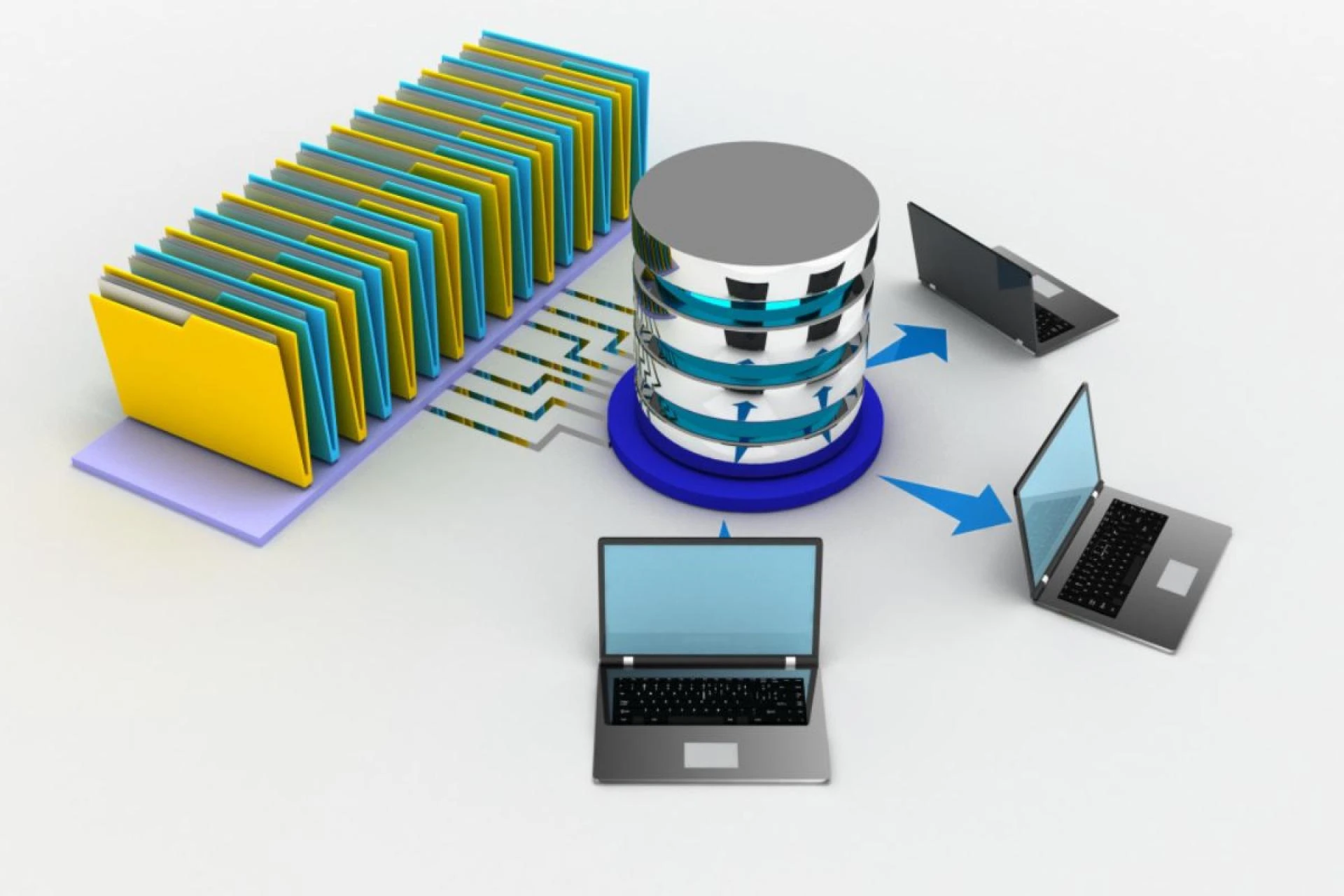
Data and integration matter more than features
Many software failures happen at the data level. Poor structure leads to errors, slow performance, and unreliable reports.
A solid custom system prioritizes:
- Clean database design
- Logical data relationships
- Reliable integrations with existing tools
- Controlled data access and validation
This foundation supports reporting, analytics, and future expansion without constant fixes.
Security and compliance stay under your control
Generic software often applies broad security rules. Custom systems let you define access based on roles, tasks, and risk levels.
You control:
- Who sees what data
- How sensitive information is stored
- Audit trails for compliance needs
- Update cycles and security reviews
This level of control matters in regulated industries and data-driven operations.
Scalability without forced upgrades
Growth often breaks rigid software. Custom systems scale by design.
Scalable applications allow:
- New features without system rebuilds
- Increased users without performance loss
- Process changes without costly migrations
- Integration of new tools as needs evolve
You avoid forced upgrades that disrupt teams and budgets.
Planning makes the difference
Custom development succeeds when planning stays grounded in reality. That means listening to users, testing early, and refining continuously.
Strong planning includes:
- Stakeholder interviews and workflow mapping
- Clear success metrics
- Prototype testing with real users
- Phased delivery instead of big launches
- Ongoing support after deployment
This process keeps projects practical and results-focused.
Choosing the right development partner
The right partner asks tough questions. They focus on long-term value, not quick wins. They respect your data, timelines, and operational risks.
Look for teams that:
- Understand business logic, not just code
- Communicate clearly and consistently
- Document decisions and system behavior
- Support systems beyond launch
- Treat software as a business asset
A thoughtful partner builds trust along with technology.
A practical path forward for growing businesses
Every business reaches a point where software must adapt or operations suffer. Purpose-built systems remove friction and restore control. They help teams work smarter without constant compromise.
When you explore options, focus on clarity, structure, and long-term support. Firms like The Farber Consulting Group Inc. approach development with this mindset, balancing technical depth with real business understanding. That balance often defines whether a system becomes a burden or a true operational advantage.
























Sign in to leave a comment.