




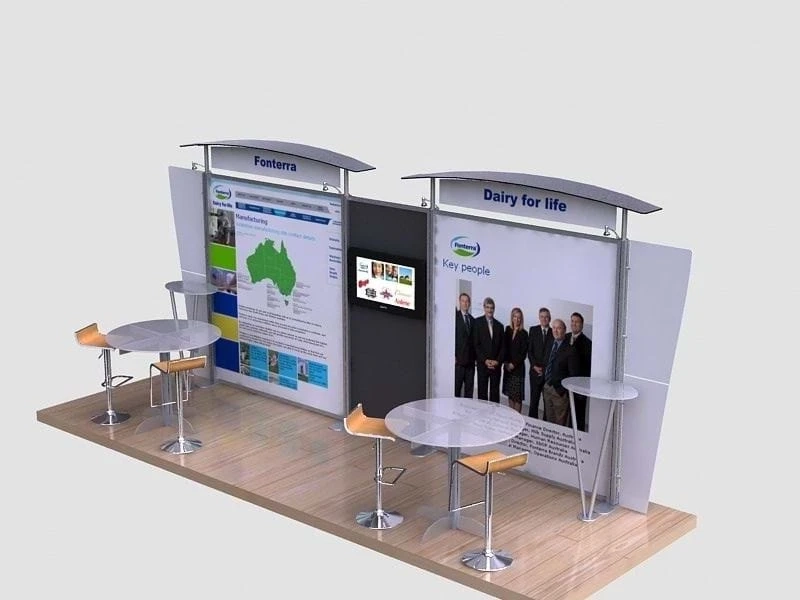
In today’s fast-paced event and exhibition industry, standing out from the crowd is more important than ever. Whether you're showcasing a new product, promoting your brand, or networking with industry leaders, your exhibition stand is your first impression and often your strongest marketing tool.
Custom exhibition stands have become the gold standard for brands that want to capture attention, create memorable experiences, and deliver meaningful engagement. Unlike generic booths, a custom stand is tailored to your brand identity, your goals, and the audience you want to attract.
This comprehensive guide takes you through what custom exhibition stands are, why they matter, how they’re designed and built, and what you can expect from concept to installation.
Why Custom Exhibition Stands Matter More Than Ever
Exhibitions and trade shows are competitive environments. Attendees walk through aisles full of brands, all trying to grab a moment of their attention. A custom exhibition stand gives you an immediate advantage because it reflects:
- Your brand personality
- Your professionalism
- Your creativity
- Your unique selling points
In other words, a custom stand doesn’t just display your brand, it expresses it.
Key reasons businesses choose custom stalls:
- Maximum visual impact
- A space tailored to your goals (sales, demos, engagement)
- Reusable and reconfigurable design
- Better crowd flow and visitor experience
- Standout branding and strategic lighting
- Opportunity to incorporate tech and interactive elements
In a competitive exhibition hall, custom stands tell your story, attract more visitors, and help convert leads into customers.
Types of Custom Exhibition Stands
Custom stands come in a variety of styles depending on your booth size, location, and goals. Here are the major types:
1. Modular Custom Stands
Flexible, reusable, and cost-effective. Ideal for businesses that attend multiple exhibitions.
2. Bespoke Custom Stands
Fully unique designs created from scratch. Perfect for brands seeking a high-impact, exclusive look.
3. Double-Storey Stands
Offer maximum space using vertical height—great for hospitality areas, meeting rooms, or premium activations.
4. Portable or Semi-Custom Stands
Lightweight stands with custom branding. Suitable for smaller budgets or regional events.
5. Immersive Experience Stands
These include digital screens, AR/VR, interactive zones, and sensory elements designed for maximum engagement.
The style you choose depends on your budget, exhibition venue, and long-term goals.
What to Expect When Creating a Custom Exhibition Stand
The custom stand process includes several stages. Here is a detailed breakdown of how it works from initial planning to the final installation at the venue.
Stage 1: Initial Consultation and Brand Discovery
Your journey begins with an in-depth discussion with the stand design team. The goal is to understand:
Your brand identity
Colours, logo, style, tone, and personality.
Your objectives
- Product display
- Lead generation
- Visitor engagement
- Brand awareness
- Launching new services
Your target audience
Understanding audience behaviour helps shape layout, messaging, and interactive elements.
Booth size and exhibition venue
The size, structure restrictions, and venue rules influence the stand layout and materials.
Your budget and timeline
This session ensures the design team aligns its creative direction with your business goals.
Stage 2: Creative Concept and 3D Design
This is where your stand begins to take shape visually
Concept Creation
Based on your goals and brand story, the design team conceptualises:
- Layout
- Visitor flow
- Zones (demo area, meeting rooms, product showcases)
- Key messaging
- Lighting concept
- Material palette
3D Renderings
Modern 3D visuals give you a lifelike view of:
- How the stand will look
- Colours, textures, and structure
- Lighting effects
- Digital screens or product shelves
- Visitor pathways
Design Revisions
You can request changes to ensure the final design perfectly captures your vision.
Outcome:
You receive an approved final design ready for engineering and construction.
Stage 3: Technical Drawing and Structural Engineering
Once the concept is approved, the engineering team starts work on:
- Technical construction drawings
- Structural safety calculations
- Electrical and lighting layouts
- Height and weight compliance
- Material list and planning
- Rigging and overhead structure planning (if needed)
This is crucial because major exhibitions have strict safety and compliance guidelines.
Stage 4: Fabrication and Construction
This is the transformation stage where the design turns into a real structure.
Materials commonly used in custom stands:
- Timber and plywood
- Aluminium frames
- LED panels and lightboxes
- Acrylic and glass features
- High-quality fabrics
- Digital signage
- Flooring materials
- Metal structures
- Custom furniture
Fabrication includes:
- Cutting, welding, and carpentry
- Painting and finishing
- Printing high-resolution graphics
- Building cabinetry, storage units, and counters
- Testing lighting and electrical systems
- Assembling display units and custom features
Every component is pre-built and tested in the workshop before exhibition day.
Stage 5: Pre-Assembly and Quality Check
Before transporting anything to the venue, the entire stand is:
✔ Pre-assembled
✔ Inspected for safety
✔ Checked for fitting accuracy
✔ Evaluated for structural integrity
✔ Tested for electrical connections
✔ Reviewed for branding accuracy
This step ensures everything is perfect before installation.
Stage 6: Transport, On-Site Installation, and Setup
When exhibition day approaches, the team transports your stand to the venue.
On-site installation involves:
- Unloading materials
- Assembling the structure
- Installing signage and lighting
- Wiring electronics
- Positioning furniture and counters
- Final cleaning and polishing
- Ensuring alignment and stability
- Compliance with venue checks
Depending on size and complexity, installation may take anywhere from a few hours to a full day.
Stage 7: Show-Time Support (Optional but Valuable)
Professional stand builders often offer on-site support throughout the exhibition. This may include:
- Technical support
- Electrical troubleshooting
- Maintenance or repairs
- Additional branding changes
- Storage solutions
This support ensures a smooth and stress-free event for your team.
Stage 8: Dismantling, Removal, and Storage
Once the exhibition ends, the team:
- Dismantles the structure
- Packs materials
- Transports everything back to storage or disposal
- Repairs any reusable pieces
- Stores the stand for future events
Many businesses reuse their custom stands multiple times, making them cost-effective and sustainable.
Benefits of Investing in a Custom Exhibition Stand
1. Increased Traffic
Unique designs grab attention instantly.
2. Strong Brand Presence
Custom colours, shapes, and signage help reinforce your brand identity.
3. Better Engagement
Interactive elements boost visitor retention and lead generation.
4. Flexible and Reusable
High-quality builds last years and can be adapted for different events.
5. Professionalism
A polished stand helps build trust and credibility.
6. Tailored Functionality
Every part of the stand serves your specific goals.
Tips for Maximising Your Exhibition ROI
To get the most out of your custom stand:
- Train your staff on visitor engagement
- Use digital tools (QR codes, lead capture apps, AR experiences)
- Offer demonstrations or samples
- Promote your booth before the event
- Keep the messaging simple and bold
- Create photo-friendly spaces for social media
Final Thoughts
A custom exhibition stand is more than a structure—it’s a strategic marketing tool that brings your brand to life. From the initial consultation to the final installation, each step is designed to create a visually stunning, engaging, and functional space that elevates your presence at any event.
Whether you're a startup looking to make a bold first impression or an established brand preparing for a high-profile exhibition, a well-crafted custom stand ensures you stand out, attract more visitors, and build lasting connections.