




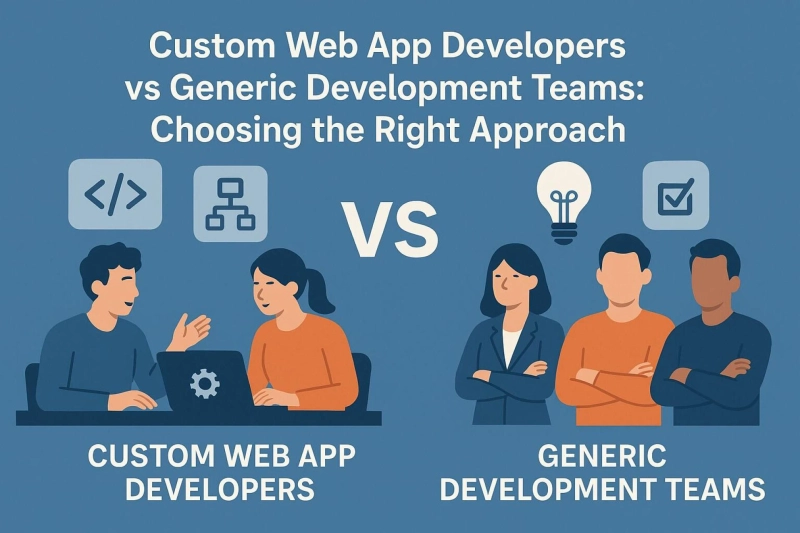
Web applications increasingly serve as core business systems. They manage workflows, integrate data across platforms, and support daily operations at scale. As these applications grow in importance, the approach taken to build them can have a lasting impact on cost, timelines, and long-term reliability.
Organizations often face a choice between working with specialized custom web app developers or engaging generic development teams with broader technical coverage. While both approaches can produce working software, their suitability varies depending on complexity, longevity, and strategic importance.
This article examines the differences between these two approaches to help organizations make informed decisions based on context rather than assumptions.
Understanding Custom Web App Developers
Custom web app developers typically focus on building web-based systems tailored to specific business requirements. Their work often emphasizes architecture, scalability, and integration rather than isolated features.
Common characteristics include:
- Experience designing application architectures for growth
- Familiarity with complex workflows and data models
- Ongoing involvement across discovery, development, and post-launch support
Engagements with custom web app developers are often structured around long-term ownership, where the application is expected to evolve over time.
Understanding Generic Development Teams
Generic or generalist development teams usually work across a wide range of technologies and project types. Their strength lies in flexibility and breadth rather than deep specialization in web application architecture.
These teams often handle:
- Smaller or short-term projects
- Feature development or enhancements
- Prototypes and proof-of-concept applications
- Websites or applications with limited integration needs
Generic teams can be effective where requirements are well-defined and long-term scalability is not a primary concern.
Key Differences Between the Two Approaches
Depth of Web Application Expertise
Custom web app developers tend to have deeper expertise in web application architecture, state management, and performance optimization. Generic teams may have solid technical skills but less experience with the complexities of large, evolving web applications.
Architecture and Scalability
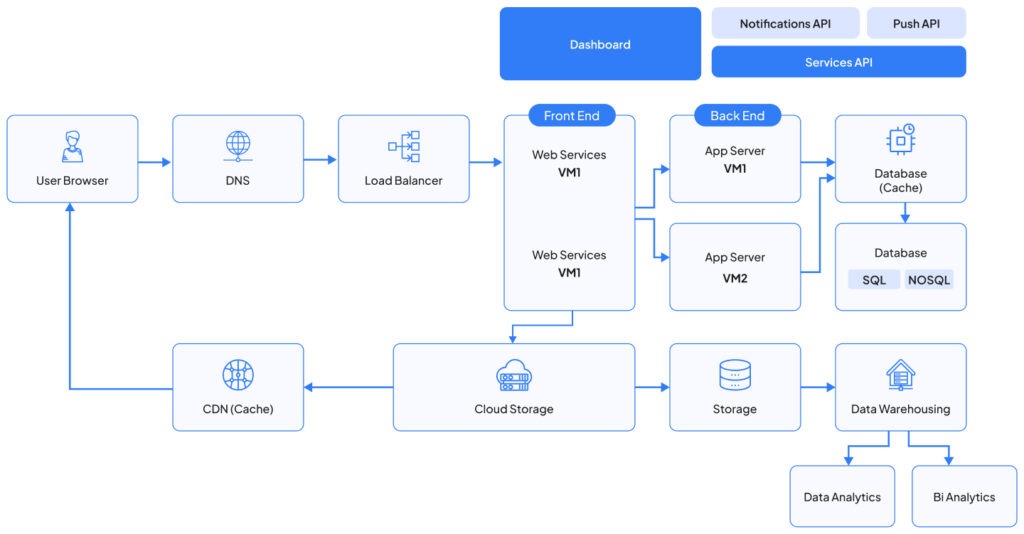
Specialized developers are more likely to design systems with future growth in mind. This includes planning for increased usage, data volume, and integration needs. Generic teams may focus on delivering immediate functionality, which can limit scalability later.

Handling Complex Business Logic
Custom web applications often involve intricate business rules and workflows. Specialized developers typically adopt workflow-driven development approaches that model business processes explicitly.
Generic teams may approach development in a more feature-based manner, which can be sufficient for simpler use cases but less effective for complex systems.
Integration and System Design
Modern web applications frequently integrate with ERP, CRM, payment systems, analytics platforms, or third-party APIs. Experience with system integration plays a critical role in stability and data consistency.
Teams accustomed to integration-heavy environments are generally better positioned to manage dependencies and reduce operational risk.
Quality, Performance, and Security
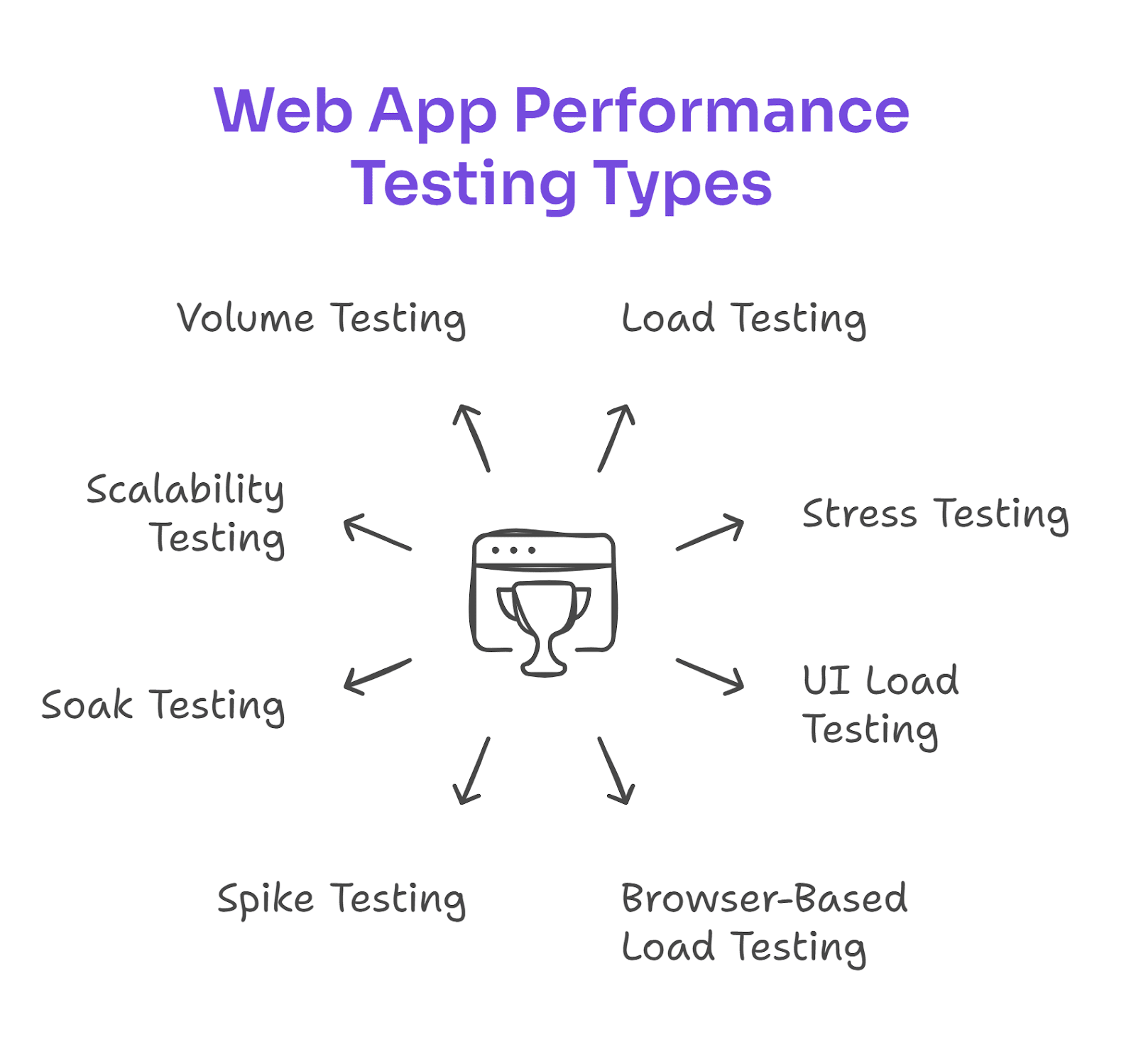
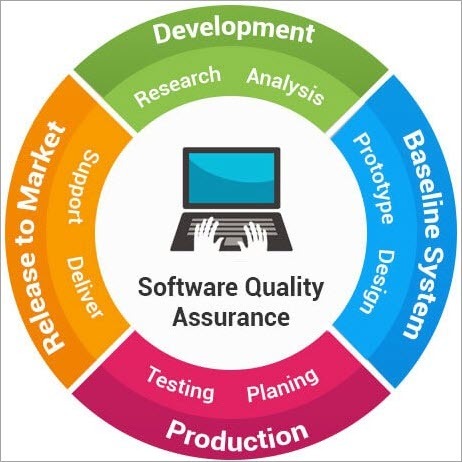
Quality assurance, performance optimization, and security practices often reflect a team’s experience and process maturity. Development approaches that emphasize architecture and lifecycle management tend to address these areas more consistently.
Generic teams may rely on basic testing practices, which can be sufficient for small projects but less reliable as systems scale.
Cost, Timelines, and Risk Comparison
Generic development teams may appear more cost-effective initially, particularly for small or short-term projects. However, early savings can be offset by rework, refactoring, or performance issues as requirements evolve.
Custom web app developers often involve higher upfront investment but can provide greater predictability and reduced long-term risk through structured planning and architectural discipline.
Communication and Project Ownership
Communication models differ significantly between the two approaches. Custom web app developers often engage in business-focused collaboration, participating in discovery, prioritization, and long-term planning.
Generic teams may operate in a task-execution model, where responsibility is limited to assigned deliverables rather than overall system outcomes. Documentation and knowledge transfer also tend to be more formalized in specialized engagements.
When Generic Development Teams May Be the Right Choice
Generic development teams can be well-suited for:
- Small or time-bound projects
- Simple applications with limited logic
- Early-stage experimentation or prototypes
In these cases, the overhead of specialized architecture may not be justified.
When Custom Web App Developers Are the Better Fit
Custom web app developers are typically more appropriate for:
- Business-critical applications
- Systems requiring multiple integrations
- Products expected to scale or evolve over time
In such scenarios, architectural planning and long-term ownership become essential.
Side-by-Side Comparison
| Aspect | Custom Web App Developers | Generic Development Teams |
| Expertise Depth | Specialized | Broad |
| Scalability Planning | Built-in | Limited |
| Integration Capability | Strong | Variable |
| Security Practices | Structured | Inconsistent |
| Maintenance Readiness | Long-term focused | Short-term focused |
| Cost Predictability | Higher upfront, lower rework | Lower upfront, higher risk |
Common Misconceptions
Several assumptions often influence this decision:
- Generic teams can handle all projects equally well
- Specialized developers are always more expensive
- Custom development always leads to over-engineering
In practice, outcomes depend on project complexity, longevity, and strategic importance rather than team labels alone.
How to Choose the Right Approach for Your Business
Determining whether a specialized or generalist development team is appropriate often depends on broader considerations such as discovery depth, delivery governance, and long-term ownership expectations, which are typically addressed when selecting the right technology partner for a custom web application.
Final Thoughts
There is no universal answer to whether custom web app developers or generic development teams are the better choice. Each approach serves different needs.
The key is matching the development approach to the application’s role within the organization. When complexity, scale, and longevity increase, specialization and long-term ownership often become more important than short-term flexibility.