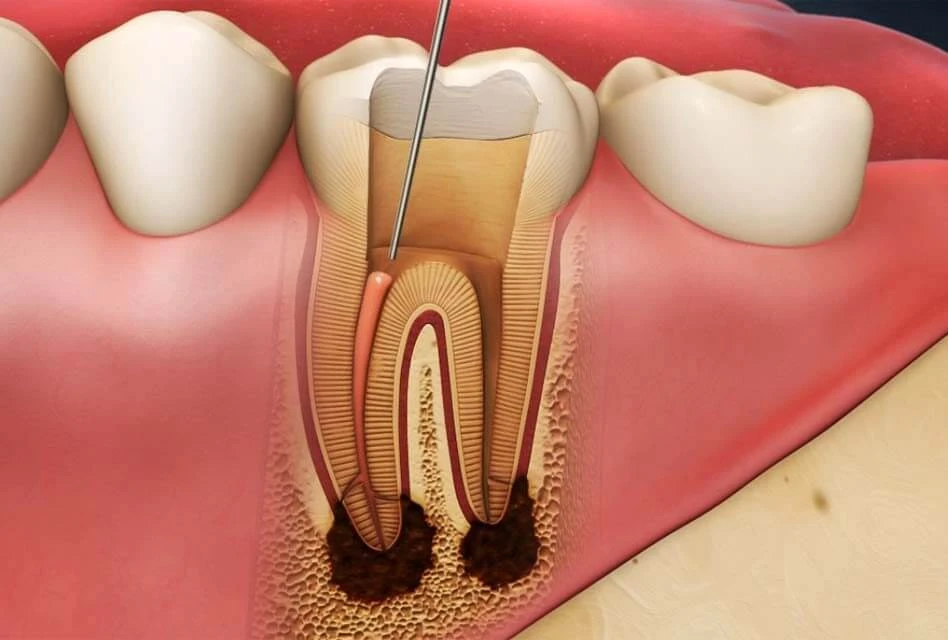

Root canal treatment, often surrounded by myths and misconceptions, is a dental procedure designed to save a severely infected or damaged tooth. Despite its reputation, understanding the facts about root canal treatment is crucial for informed decision-making regarding oral health. This comprehensive guide aims to demystify root canal therapy, exploring the procedure, its benefits, and dispelling common myths.
Understanding the Basics:
Anatomy of a Tooth: To comprehend root canal treatment, it's essential to grasp the tooth's structure. Teeth have three main layers: enamel (outer), dentin (middle), and pulp (inner). The pulp houses nerves, blood vessels, and connective tissues.
When is Root Canal Treatment Necessary? Root canal treatment becomes necessary when the dental pulp becomes infected or inflamed due to deep decay, cracks, or trauma. If left untreated, the infection can spread, leading to severe pain, abscess formation, and potential tooth loss.
The Root Canal Procedure:
Diagnosis and Assessment: A dentist, often a specialist called an endodontist, assesses the tooth's condition through X-rays and clinical examinations. If the dental pulp is compromised, root canal treatment is recommended.
Local Anesthesia: Before commencing the procedure, local anesthesia is administered to ensure the patient feels little to no discomfort during the treatment.
Isolation and Sterilization: The dentist isolates the affected tooth using a rubber dam to maintain a sterile environment. This prevents saliva and bacteria from entering the tooth during the procedure.
Access Opening: A small access hole is drilled into the tooth's crown to reach the pulp chamber. This step allows the dentist to remove the infected or inflamed pulp tissue.
Cleaning and Shaping: Specialized instruments are used to clean and shape the root canals, eliminating bacteria, debris, and damaged tissue. This step ensures thorough disinfection of the tooth's interior.
Filling the Canals: After cleaning, the root canals are filled with a biocompatible material, typically gutta-percha, to seal the space and prevent reinfection.
Restoration: A temporary or permanent filling is placed in the access opening to seal the tooth. In some cases, a crown may be recommended to restore the tooth's strength and appearance.
Myths vs. Realities:
Myth: Root Canal Treatment is Painful. Reality: With modern anesthesia and advanced techniques, root canal treatment is virtually painless. Patients often report relief from the pain caused by the initial infection after the procedure.
Myth: Tooth Extraction is a Better Option. Reality: Saving a natural tooth through root canal treatment is preferable to extraction. Preserving the natural tooth maintains oral function, prevents adjacent teeth from shifting, and preserves jawbone structure.
Myth: Root Canal Treatment Causes Illness. Reality: This myth, known as the "focal infection theory," has been debunked by scientific research. There is no credible evidence linking properly performed root canal treatment to systemic diseases.
Myth: Root Canal Treatment Takes Multiple Sessions. Reality: While the complexity of the case may influence the number of sessions, many root canal treatments can be completed in a single visit. Advances in technology and techniques have streamlined the procedure.
Myth: Root Canal Treatment is Only for Pain Relief. Reality: Beyond pain relief, root canal treatment aims to eliminate infection, preserve the tooth's function, and prevent the need for extraction.
Benefits of Root Canal Treatment:
Pain Relief: Root canal treatment alleviates the intense pain caused by tooth infections. Once the infected pulp is removed, the discomfort subsides.
Preservation of Natural Tooth: Unlike extraction, root canal treatment preserves the natural tooth structure, maintaining oral health and preventing the need for tooth replacement options.
Prevention of Spread of Infection: By removing infected pulp and sealing the root canals, the procedure prevents the spread of infection to surrounding tissues, avoiding more extensive health issues.
Improved Oral Function: With the infection eliminated and the tooth restored, patients can regain normal chewing function and maintain proper alignment of surrounding teeth.
Aesthetically Pleasing Results: While a temporary filling may be initially placed, a permanent restoration, such as a crown, can provide both functional and aesthetic benefits, enhancing the appearance of the treated tooth.
Post-Treatment Care:
Temporary Sensitivity: It is normal to experience mild sensitivity for a few days after the procedure. Over-the-counter pain relievers can manage any discomfort.
Good Oral Hygiene: Maintaining excellent oral hygiene, including regular brushing, flossing, and dental check-ups, is crucial for the long-term success of root canal-treated teeth.
Follow-Up Appointments: Patients should attend any follow-up appointments recommended by the oral care experts to monitor the tooth's healing and ensure the success of the treatment.
Conclusion:
Root canal treatment, often misunderstood and surrounded by unfounded myths, is a highly effective and routine dental procedure. By dispelling misconceptions and understanding the realities of the treatment, individuals can make informed decisions about their oral health. Root canal therapy, with its numerous benefits, plays a vital role in preserving natural teeth, relieving pain, and contributing to overall dental well-being. Regular dental check-ups, prompt intervention for dental issues, and a commitment to oral hygiene remain key elements in maintaining a healthy smile for a lifetime.











Sign in to leave a comment.