




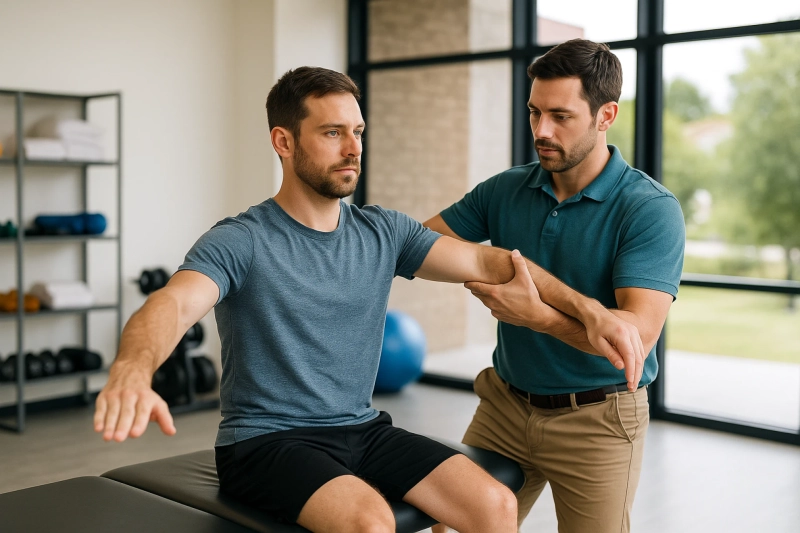
Australia’s approach to injury management is changing. Instead of long periods of rest or passive treatments, more people are turning to movement-based rehabilitation to improve mobility, strength and long-term recovery. This shift is visible in sporting communities, everyday gyms and even office workspaces where injury prevention routines are becoming a normal part of daily life. The philosophy behind this shift is simple: the body adapts when it moves, not when it stays still. This evolving mindset places practices such as Delta Sports Therapy at the forefront of evidence-based treatment in the country.
Why Movement Matters More Than Rest
For decades, many believed that the safest way to manage pain was to stop moving altogether. Although rest remains useful in early injury stages, full immobilization often delays healing. Muscles lose strength, joints stiffen and neural pathways weaken when they are not challenged. Movement-based recovery, on the other hand, encourages gradual and guided activity. Instead of protecting an injury through inactivity, the body relearns correct movement patterns with professional supervision.
Active recovery supports blood circulation, stabilizes muscles that protect injured areas and encourages better mobility around affected joints. It aligns with how the body naturally adapts. When individuals protect an injury too much or avoid using it altogether, they often experience ongoing pain caused by instability rather than the injury itself. By introducing structured movement, the body gains confidence again through small, safe, repetitive motion.
A helpful discussion on building daily wellness habits can be found in related lifestyle posts on WriteUpCafe, such as fitness and well-being articles listed under https://writeupcafe.com/post-story. These pieces highlight how minor adjustments in routine, such as light stretching or regular walking breaks, can influence overall physical health.
How Sports Participation Is Driving Change
Australia has one of the world’s highest rates of recreational sport participation. From casual running groups to community football teams, everyday athletes are demanding recovery strategies that allow them to keep training without worsening injuries. Professional sports also influence public perception. As viewers see elite athletes return faster from injuries with dynamic therapy, it reinforces the value of movement rather than immobilization.
Common sports-related issues such as knee strain, ankle instability and shoulder tightness respond well to progressive movement. For example, a sprained ankle benefits more from early controlled load than weeks in a brace. Conditioning programs help rebuild strength in deeper stabilizing muscles, reducing the chance of repeated injury. Shoulder impingements, often caused by tightness and weakness around the scapula, also improve when movement restores balanced alignment rather than relying only on passive treatments.
Many discussions on WriteUpCafe’s sports lifestyle pages highlight the growing culture of smart training practices. Articles focusing on motivation, athletic habits or mindset shifts can link strongly with this new era of informed recovery, making movement-based rehabilitation a compelling topic for readers looking to stay active without injury setbacks.
The Core Principles Behind Modern Rehabilitation
Movement-focused treatment isn’t simply about stretching or strengthening randomly. Modern rehabilitation uses staged progression built around stability, functional range and skill development. The body needs mobility first, followed by control, then strength and finally performance conditioning. Jumping ahead without the earlier foundation leads to recurring pain or inconsistent strength.
Another key principle is individualized planning. Two people can present with the same pain but require entirely different movement strategies. Poor posture, long-term compensations, past injuries and work habits all affect recovery. Qualified practitioners build personalized programs based on assessment, not assumptions.
It is within this context that the value of professional care becomes clear. An example of this informed, structured support can be found through Osteopathy services by Delta Sports Therapy, where practitioners use hands-on assessment combined with targeted movement training. Instead of simply treating pain symptoms, they examine how the body moves and why imbalances develop, then address those patterns through tailored exercises.
Why Everyday People Also Benefit from Movement-Based Care
Although the trend is heavily influenced by sport, movement rehabilitation isn’t only for athletes. Desk workers who experience chronic tightness, parents lifting children daily, tradies with repetitive strain and gym beginners all deal with stress on the body. Their injuries are commonly caused not by sudden incidents, but by repeated patterns of movement that overload weaker areas.
Small changes can make a big difference: standing more regularly, doing a short mobility routine in the morning, strengthening hips to protect lower backs or learning how to hinge properly when lifting. These aren’t complicated modifications, but they teach the body to manage load more efficiently.
Readers can explore productivity and lifestyle habits connected to healthy movement practices through similar articles on WriteUpCafe, using posts under https://writeupcafe.com/post-story as a reference for routines and everyday wellness discussions.
Addressing Common Myths About Injury and Rest
Two recurring beliefs often slow recovery. The first is the idea that pain means all movement must stop. Pain is a signal, not an instruction to freeze. Guided motion may reduce pain by stabilizing weak areas and encouraging better circulation. The second myth is that exercise worsens injuries. In reality, poor technique worsens injuries, not exercise itself. A well-structured movement plan supports healing without unnecessary strain.
Modern sports rehabilitation helps people understand when to move, how to move and how much movement is appropriate. This empowers individuals, breaking the fear that physical activity will automatically make an issue worse.
Choosing the Right Guidance for Recovery
Movement-based treatment requires skill and knowledge. The right practitioner doesn’t just prescribe exercises; they assess the body’s mechanics, diagnose movement imbalances and build progressions that adapt as strength increases. Selecting someone trained in anatomy, biomechanics and athletic conditioning ensures that rehab supports both healing and prevention.
Sports-focused osteopathy and active rehabilitation are proving to be indispensable for sustainable results. Professional treatment helps people recover without developing bad compensation habits, setting a foundation for long-term wellness. A clinic like Delta Sports Therapy exemplifies this combined approach, blending detailed assessment with dynamic movement practice to support both recovery and physical performance.
Conclusion
The growing preference for movement-focused recovery reflects a change in how Australians view injury, performance and physical health. Instead of avoiding motion, people are learning to move cleverly, gradually and with guidance. The shift isn’t simply about returning to sport faster—it’s about strengthening the body to live, work, train and age with less pain and greater confidence. The more we understand how the body responds to activity, the more we can use movement as medicine.