



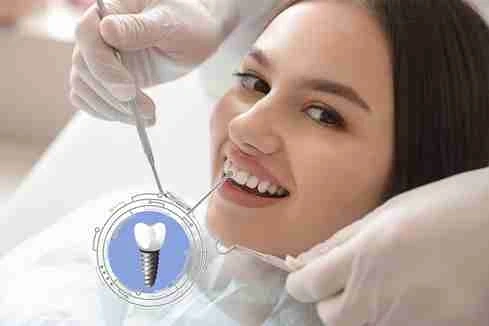
A confident smile is often one of the first things people notice, and dental implants play a crucial role in restoring both function and aesthetics. However, even the best-placed implant can fail if the prosthetic crown, bridge, or denture is not correctly designed or fitted. Improper prosthetics can silently compromise oral health, increasing the risk of complications, including infections, gum irritation, and long-term implant instability.This article explores how incorrect prosthetics can contribute to implant infection, the warning signs to watch for, preventive strategies, and treatment options to ensure long-lasting dental implant success.
Understanding Dental Implants
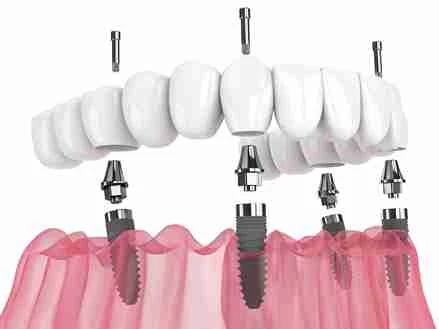
Dental implants are titanium posts surgically inserted into the jawbone to replace missing teeth. Each implant consists of three main components:
- Implant post: The titanium fixture integrated into the jawbone.
- Abutment: Connects the implant post to the prosthetic tooth.
- Prosthetic crown, bridge or denture: The visible replacement that restores function and appearance.
While surgical placement is critical, the prosthetic’s design and fit are equally important. Poorly fitted prosthetics can create gaps, stress points, and areas where bacteria accumulate, undermining the implant’s success.
What Are Improper Prosthetics?
Improper prosthetics are dental restorations that fail to align correctly with your bite or gum line. This can occur due to:
- Inaccurate impressions or measurements during the design process
- Poor fabrication in the dental lab
- Lack of follow-up adjustments after placement
Consequences of Poorly Fitted Prosthetics
- Excessive pressure on gums and surrounding bone
- Difficulty cleaning around the implant
- Accumulation of plaque and bacteria
- Higher risk of tissue inflammation and infection
In short, even minor misalignments or over-contoured crowns can significantly compromise implant health.
How Improper Prosthetics Lead to Implant Infection
An implant infection is often a result of bacterial invasion and inflammation around the implant site. Incorrect prosthetics contribute to this by:
- Creating gaps between the prosthetic and gum bacteria thrive in these spaces.
- Generating pressure points irritated tissue is more prone to infection.
- Hindering oral hygiene tight or awkwardly shaped prosthetics make brushing and flossing difficult.
Poor fit or misalignment can lead to plaque build-up and inflammation, while over-contoured crowns create pressure points that irritate tissues. Excessive occlusal forces strain the bone, and limited cleaning access encourages bacterial growth, increasing infection risk.Over time, these factors can result in peri-implant mucositis (gum inflammation) and, if left untreated, peri-implantitis, which damages the supporting bone and may cause implant failure.

Signs and Symptoms of Implant Infection
Early detection is key to saving an implant. Common warning signs include:
- Redness, swelling, or tenderness around the implant site
- Bleeding gums or pus discharge
- Persistent bad breath or unpleasant taste
- Pain while chewing or biting
- Mobility of the implant
Monitoring these symptoms with regular dental check-ups ensures that any infection is treated promptly before it progresses.
Prevention Strategies for Implant Infection
The best defence against implant complications is proactive care. Preventing issues starts with proper prosthetic design and continues with consistent oral hygiene and regular dental visits.
Professional Measures
- Choose experienced dental professionals for both implant placement and prosthetic design
- Ensure accurate impressions and occlusal alignment
- Schedule regular follow-ups for adjustments and check-ups
- Professional cleaning to remove plaque and tartar
At-Home Care
- Brush twice daily with fluoride toothpaste
- Floss or use interdental brushes to clean around the implant
- Rinse with antimicrobial mouthwash if recommended
- Maintain a nutrient-rich diet to support gum and bone health
By combining professional oversight with diligent home care, patients can significantly reduce the risk of implant infection Nottingham and ensure long-term implant success.
Early Detection of Implant Infection
Early recognition of implant infection is vital to prevent implant failure. Patients should regularly monitor their implants and report any unusual changes promptly.
Key Signs to Watch:
- Red, swollen or tender gums around the implant
- Bleeding or pus discharge
- Persistent bad breath or unpleasant taste
- Pain while chewing
- Mobility or loosening of the implant
Regular dental check-ups help identify mild infections before they progress to peri-implantitis. Timely intervention with non-surgical treatments, such as scaling or antimicrobial rinses, ensures healthier gums and long-term stability of the dental implant Nottingham.
Treatment Options for Implant Infection
Even with preventive measures, infections can occur. Early intervention improves the chances of saving the implant and surrounding tissue.
Non-Surgical Treatments
- Scaling and Root Planing removes plaque and bacteria from the implant surface
- Antimicrobial Rinses control bacterial growth and prevent reinfection
Surgical Treatments
- Flap Surgery provides access to deep infection sites
- Bone Grafts restore lost bone around the implant
- Prosthetic Adjustment or Replacement: corrects ill-fitting restorations to prevent recurrence
Addressing the underlying prosthetic issue is critical to prevent repeated infections and maintain oral health.
Long-Term Success Tips for Dental Implants
Achieving lasting dental implant results requires a combination of factors:
- Accurate prosthetic fabrication and fit
- Meticulous oral hygiene practices
- Regular monitoring by dental professionals
- Avoiding habits that stress implants, such as chewing hard foods or smoking
Patients who adhere to these practices have a higher chance of enjoying functional, aesthetically pleasing, and long-lasting implants
Importance of Long-Term Maintenance for Implants
Maintaining a dental implant requires more than proper placement; ongoing care ensures durability and prevents complications. Long-term success depends on a combination of professional support and diligent home hygiene.
Essential Maintenance Tips:
- Schedule regular check-ups for professional cleaning and monitoring
- Brush and floss daily to prevent plaque accumulation
- Avoid chewing hard foods that may stress the prosthetic
- Maintain a nutrient-rich diet to support bone and gum health
- Address prosthetic issues immediately to prevent bacterial growth
Following these strategies significantly reduces the risk of implant infection Nottingham and ensures the implant remains functional and aesthetically pleasing for years.
Conclusion
Incorrect prosthetics are a major, yet often overlooked, contributor to implant complications and infections. By understanding the risks, recognising early warning signs, and prioritising both professional and home care, patients can maintain strong, healthy implants.At Smilo Dental Implant Nottingham, we provide expert planning, high-quality prosthetics and personalised care to ensure every dental implant has the best chance for success. Our team helps patients prevent implant infection and achieve confident, long-lasting smiles, combining advanced technology with dedicated support.