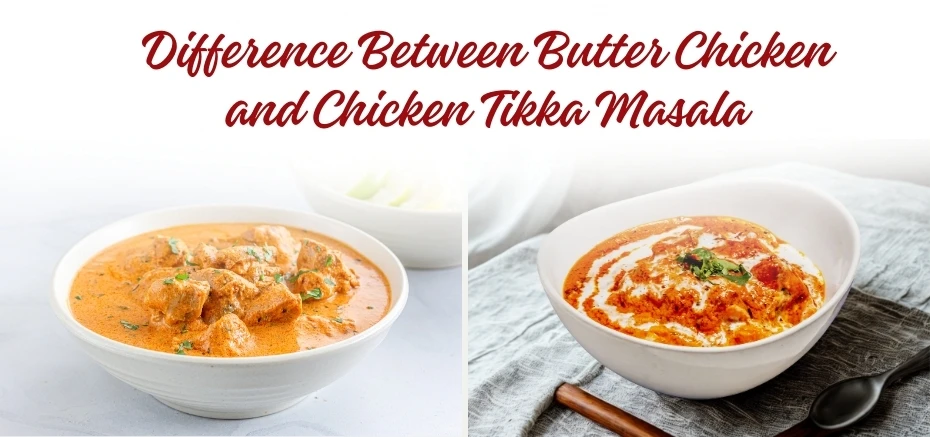

When exploring the rich world of Indian food, few dishes spark as much delicious debate as Butter Chicken and Chicken Tikka Masala. At first glance, they look almost identical—both feature tender chicken simmered in a creamy, tomato-based gravy with vibrant spices. Yet, for those who truly appreciate the depth of Indian cuisine in Fort Worth and beyond, these two iconic curries tell very different stories through flavor, texture, and tradition.
If you’ve ever found yourself confused while ordering at a restaurant or wondered which one suits your palate better, this guide will help you understand the real difference between Butter Chicken and Chicken Tikka Masala.
The Origins: Where It All Began
The story of Butter Chicken, also known as Chicken Makhani, begins in Delhi, India, in the 1950s. Chefs at the famous Moti Mahal restaurant created it as a way to repurpose leftover tandoori chicken. They simmered the chicken in a rich mixture of butter, tomatoes, cream, and mild spices, creating a luxurious curry that quickly became a staple of authentic Indian food.
Chicken Tikka Masala, on the other hand, is widely believed to have originated in the United Kingdom. Indian chefs adapted traditional flavors to suit Western preferences by combining grilled chicken tikka with a bold, spiced tomato gravy. This fusion creation became one of the most popular curry dishes worldwide and is now a symbol of modern Indian cuisine in Fort Worth and other global cities.
Cooking Method: The Key Difference
One of the most significant differences lies in how the chicken is prepared.
Butter Chicken involves cooking the chicken directly in the gravy. The chicken slowly absorbs the creamy tomato sauce, resulting in a soft, tender texture that blends seamlessly with the rich curry.
Chicken Tikka Masala starts with marinated chicken pieces. The chicken is soaked in yogurt, ginger, garlic, and spices for hours, then grilled or roasted until slightly charred. Only after this step is it added to the sauce. This method gives the dish its signature smoky flavor and firmer texture.
Ingredients That Shape the Flavor
While both dishes share a tomato-based gravy, the ingredient balance differs.
Butter Chicken includes:
- Butter and cream for richness
- Tomato puree for tanginess
- Mild spices like garam masala, fenugreek, and coriander
Chicken Tikka Masala includes:
- Yogurt-marinated chicken cubes
- Bold spices such as cumin, paprika, and coriander
- Tomato gravy with less cream and more spice
These ingredient differences directly affect how each curry tastes and feels on the palate.
Flavor Profile: Mild vs Bold
Butter Chicken is known for its creamy, mildly spiced, slightly sweet taste. The butter and cream mellow the spices, making it an ideal choice for those new to Indian food or for families who prefer comforting flavors without much heat.
Chicken Tikka Masala delivers a more robust experience. It is tangy, smoky, and medium-spicy. The charred chicken pieces add depth, and the spices are more pronounced, making it perfect for those who enjoy bold, layered flavors often found in authentic Indian cuisine in Fort Worth.
Appearance and Texture
You can often tell the difference just by looking at the dish.
Butter Chicken has a smooth, velvety, orange-colored gravy with tender chicken pieces fully coated in the sauce.
Chicken Tikka Masala appears thicker, with visible grilled chicken chunks and a deeper red hue. The texture is heartier and more rustic compared to the silky finish of Butter Chicken.
Which One Should You Choose?
Your preference depends entirely on your taste buds.
Choose Butter Chicken if you enjoy:
- Mild, creamy curries
- Comforting, rich flavors
- Smooth textures without char
Choose Chicken Tikka Masala if you prefer:
- Smoky, grilled flavors
- Medium spice levels
- A thicker, more textured curry
Both dishes pair beautifully with naan, roti, or basmati rice, allowing the sauces to soak into the bread or rice for maximum flavor.
Health Considerations
While both dishes are indulgent, Butter Chicken is typically higher in calories due to the generous use of butter and cream.
Chicken Tikka Masala can be considered slightly lighter because of the grilled chicken and reduced cream content. For a healthier homemade version, you can substitute heavy cream with yogurt or low-fat cream without sacrificing taste.
Tips for Making Them at Home
Butter Chicken Tips:
- Use boneless chicken for quick cooking
- Sauté lightly in butter before adding tomato puree
- Add cream gradually for a silky texture
- Keep spices mild for authenticity
Chicken Tikka Masala Tips:
- Marinate chicken for at least 2 hours
- Grill or sear for smoky flavor
- Prepare a thick, spiced tomato gravy separately
- Combine just before serving to maintain texture
Serving Suggestions
Both curries shine when served traditionally:
- With butter naan or garlic naan
- With steamed basmati or jeera rice
- With sides like pickled onions, salad, or yogurt raita
These accompaniments balance the richness and elevate the dining experience.
Final Thoughts
Although Butter Chicken and Chicken Tikka Masala may appear similar, their origins, preparation methods, ingredients, and flavor profiles set them apart in remarkable ways. Butter Chicken offers a smooth, creamy comfort that feels indulgent and familiar. Chicken Tikka Masala delivers smoky, bold flavors that excite the palate with every bite.
The next time you explore a menu featuring classic Indian food, you’ll know exactly which dish to choose based on your craving. And if you’re looking to taste these dishes prepared authentically, experiencing true Indian cuisine in Fort Worth is the perfect way to appreciate their delicious differences.

























Sign in to leave a comment.