




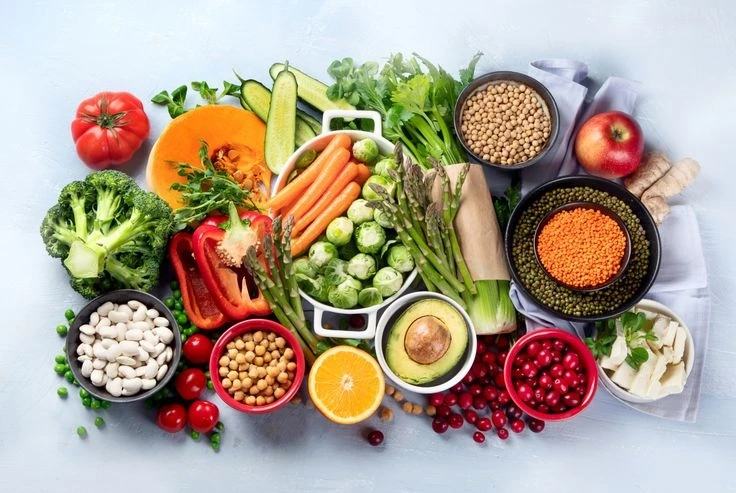
A healthy vegan diet is becoming one of the most popular approaches to eating well, staying energetic, and supporting long-term wellness. When you follow a diet, you focus on plant-based foods that supply your body with essential nutrients in a natural and balanced way. This article will guide you through everything you need to know—how it works, what to eat, what to avoid, and how to plan your meals effortlessly.
What Is a Healthy Vegan Diet?
A healthy vegan diet is a plant-focused eating pattern that eliminates animal products and emphasizes nutrient-rich whole foods. It includes vegetables, fruits, grains, legumes, nuts, seeds and plant-based alternatives that support the overall functioning of your body. The goal is not only to avoid animal foods but also to choose balanced meals that provide proteins, healthy fats, vitamins, minerals and fiber.
Adopting a diet feels like refreshing your body from the inside. It helps you stay active, think clearly, and maintain energy throughout the day.
Benefits
Better Digestion and Increased Energy
The high fiber content in plant foods helps your body digest meals smoothly, keeping your stomach light and comfortable. You feel more energetic because your body gets slow-releasing carbohydrates that fuel your daily tasks.
Natural Weight Management
A healthy vegan diet helps control cravings because whole foods keep you full for a longer time. Lower calorie density makes weight maintenance easier without forcing strict diets.
Improved Skin, Hair, and Mood
Plant-based meals provide vitamins and antioxidants that support natural skin glow and better mood regulation. Many people feel more balanced mentally when they follow consistently.
Essential Nutrients
Protein Sources
It’s easy to meet protein needs through lentils, chickpeas, peas, tofu, edamame, quinoa and nuts. When you plan meals, combine different plants to create complete protein sources.
Iron and Calcium
Leafy greens, beans, fortified plant milk, and seeds help you maintain strong bones and healthy blood. Pairing vitamin C-rich foods with iron-rich foods improves absorption.
Healthy Fats
Your brain requires omega-rich foods like chia seeds, flaxseeds and walnuts. These ingredients help maintain focus and support mental clarity.
Vitamins B12 and D
These vitamins often need attention in a healthy vegan diet. You can get them through fortified foods or regular sunlight exposure (for vitamin D).
How to Build a Balanced Healthy Vegan Diet Meal Plan
The Ideal Daily Plate
To keep things simple, imagine your plate divided into:
- Half vegetables
- A quarter whole grains
- A quarter plant protein
- A sprinkle of healthy fats
This pattern ensures you stay nourished and satisfied throughout the day.
Breakfast
Start with oats, smoothies, tofu scrambles, or fruit bowls. These meals are easy and energizing.
Lunch
Grain bowls, mixed salads, vegetable wraps or lentil soups make excellent mid-day meals.
Dinner
Stir-fried vegetables, whole grain pasta, curries, roti with vegetables, or quinoa with beans create satisfying evening meals.
Diet Lifestyle Tips for Beginners
Start Slow
If you are new, begin with one plant-based meal per day. Gradually increase the number of vegan meals as you get comfortable.
Plan Your Meals
Planning makes your healthy vegan diet easier and avoids last-minute confusion. Keep staples like rice, lentils, beans, oats and vegetables ready.
Snack Smart
Choose nuts, seeds, fresh fruits, roasted chickpeas or plant-based yogurt to stay full without overeating.
Stay Hydrated
A balanced healthy vegan diet also requires enough water intake to support digestion and energy levels.
Real-Life Example
.
Common Mistakes to Avoid in a Healthy Vegan Diet
- Eating too many processed foods
- Ignoring protein-rich ingredients
- Forgetting key nutrients like B12
- Relying only on carbs
- Not planning meals ahead
Read more:- Easy Home Remedies to Reduce Weight
FAQs
Is a healthy vegan diet suitable for beginners?
Yes, it is beginner-friendly when you start with simple foods and gradually build your meals with balanced plant-based ingredients.
How can I get enough protein on a healthy vegan diet?
Include lentils, beans, tofu, peas, nuts and whole grains regularly to meet your protein needs.
Does a healthy vegan diet help with weight loss?
Many people experience natural weight control because plant foods are filling and lower in calories, especially when whole foods dominate your meals.
What foods should I avoid in a healthy vegan diet?
Avoid processed snacks, sugary foods, refined flour products and items with excessive oil or artificial additives.
How do I make my meals balanced in a healthy vegan diet?
Combine whole grains, vegetables, legumes and healthy fats in every meal to ensure nutritional balance.
Can I build muscle with a healthy vegan diet?
Yes. Consistent intake of protein-rich plant foods and strength training can support muscle growth.
Is it expensive to follow a healthy vegan diet?
Not necessarily. Staples like rice, lentils, beans, and seasonal vegetables are affordable and nutritious.
How do I maintain nutrient levels on a healthy vegan diet?
Eat a variety of vegetables, fruits, whole grains, legumes, seeds and fortified foods to get a range of vitamins and minerals.