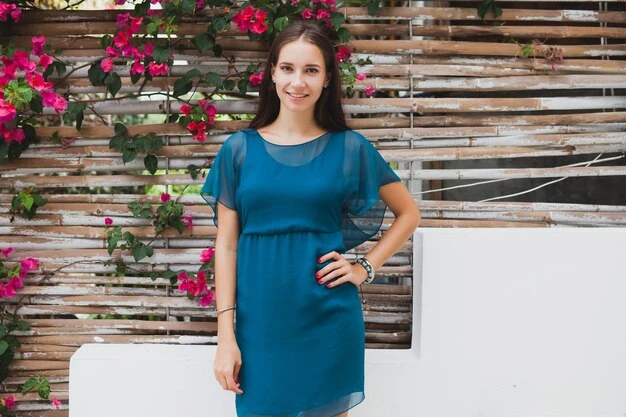
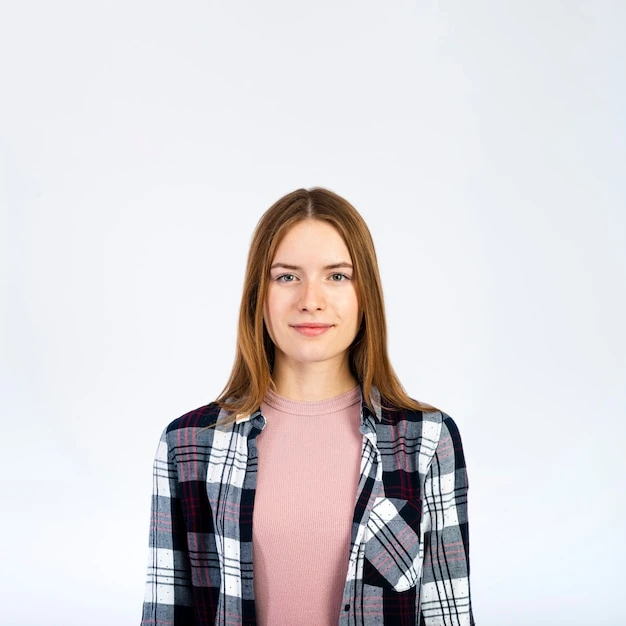
Getting dressed should feel like an act of self-respect, not a daily negotiation with mirrors, harsh lighting, or “rules” that were never made for real life. When the goal is to highlight curves and keep the overall frame looking proportionate, the best approach is surprisingly simple: create clean lines, place emphasis intentionally, and choose fabrics that move with you rather than fighting you. This article focuses on practical styling decisions that help you look polished, feel comfortable, and steer attention toward your favorite features without relying on fads or complicated formulas.
Build a Strong Base With Fit and Fabric
A balanced outfit starts with how clothing sits on the body. If the shoulder seams are off, the waistline is floating, or the hem cuts at an awkward point, even expensive pieces can look unfinished. Choose materials that skim instead of cling: structured knits, medium-weight cotton blends, ponte, denim with a bit of recovery, and soft suiting fabrics can define curves while keeping the silhouette smooth.
When trying on items, test movement: raise your arms, sit down, take a few steps. If the garment shifts dramatically, rides up, or twists, it will disrupt your lines through the day. Tailoring is an underrated secret weapon hemming pants, nipping a waist, or adjusting straps can make an outfit look custom-built for you.
Use Visual Lines to Guide the Eye
The eye naturally follows lines, so you can “design” balance with smart placement. Vertical lines (like long lapels, center seams, open-front layers) elongate. Diagonal lines (wrap details, angled hems) create gentle shaping and lead attention across curves in a flattering way. Horizontal breaks (contrasting bands, thick belts, bold color blocks) can be powerful, but they should be placed where you want to add width not where you want to minimize it.
A simple trick: if you want a longer look through the torso, avoid chopping the midsection with strong contrast right at the widest point. Instead, create one continuous column, then add definition with texture or accessories.
Choose Necklines and Sleeves That Create Harmony
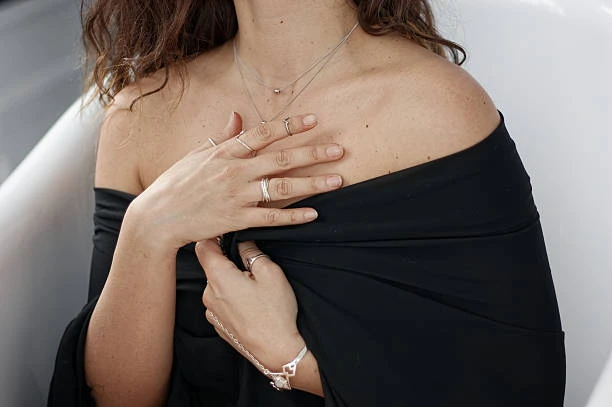
Necklines frame the face and set the tone for proportion. V-necks and soft scoops lengthen the neck and pull attention upward. Square necklines highlight collarbones and create a structured, balanced look. High necklines can be elegant too, especially when paired with a longer necklace or an open layer to add vertical interest.
Sleeves matter as much as necklines. A slight puff, a cap sleeve, or a tailored short sleeve can balance wider hips by giving the upper body more presence. If you prefer a quieter sleeve, opt for clean tailoring and let jewelry or a scarf provide the focus.
Define the Waist Without Feeling Restricted
Waist emphasis is one of the easiest ways to highlight curves, but it doesn’t require tight cinching. Think of shaping as “suggesting” rather than squeezing. Wrap tops, belted cardigans, peplum-inspired silhouettes, and high-rise bottoms naturally draw attention to the waistline.
If you enjoy added structure, consider layering pieces that create gentle support under clothing; some people find posture support garments helpful for a more lifted, streamlined look while still keeping the outfit flexible. The key is to ensure the piece matches your daily activity level and doesn’t create visible lines under fabrics.
Pair Tops and Bottoms to Balance Volume
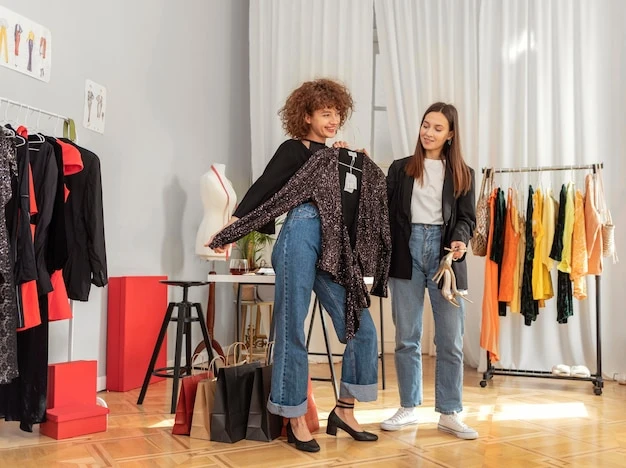
Outfit balance often comes down to where the volume sits. If the top is loose, consider a slimmer bottom. If the bottom is wide or flowing, a more fitted top can keep the look intentional. This isn’t a strict rule, but it’s a reliable starting point.
For example:
- A drapey blouse pairs well with straight-leg jeans or a pencil skirt.
- Wide-leg trousers look sharp with a bodysuit, a fitted knit, or a tucked-in button-down.
- A fitted tee becomes more elevated with an A-line midi skirt.
When you build outfits this way, curves read as confident and deliberate rather than accidental.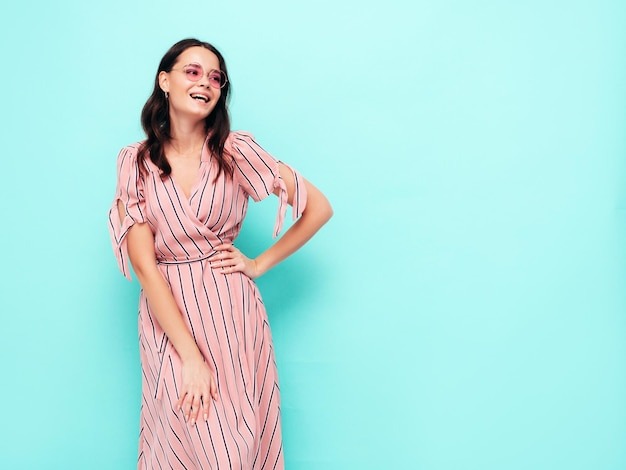
Color Strategy That Feels Modern and Wearable
Color can sculpt shape as effectively as tailoring. A monochrome or near-monochrome outfit creates length and smoothness. If you love contrast, use it thoughtfully: place brighter or lighter shades where you want attention and deeper shades where you prefer less emphasis.
A refined approach is to keep the base (pants/skirt and top) in similar tones, then add interest with a jacket, shoes, or bag. This creates focus without visually “cutting” the body into blocks.
To keep comfortable everyday style in mind, choose a palette you can remix easily two neutrals plus one accent color is often enough to create many outfits without stress.
Smart Layering That Enhances Curves
Layers can either add polish or add bulk so the details matter. Look for pieces that have structure at the shoulders and skim the waist. Cropped jackets that end at the waist can emphasize curves, while longer outer layers worn open can create a vertical line that slims and elongates.
Great layering options include:
- An open blazer with subtle waist shaping
- A longline cardigan in a medium-weight knit
- A denim jacket with a slightly tailored fit
- A trench with a belt tied at the back for shape without tightness
If you’re experimenting with different body shapes, layering is a friendly way to adjust proportion shorten the torso visually, lengthen the legs, or add presence to the upper body without changing your entire wardrobe.
Undergarments and Foundations That Stay Invisible
What’s underneath affects how everything on top looks. Smooth, well-fitting undergarments reduce distractions like digging seams, shifting waistbands, or fabric cling. Focus on comfort and stability: straps that don’t slip, bands that sit flat, and materials that breathe.
For some outfits, posture support garments can also contribute to a cleaner drape, especially under structured pieces like blazers and fitted dresses. If you wear them, test them under multiple fabrics to ensure the finish remains seamless and that you still feel free to move.
Conclusion
Dressing smart to highlight curves and balance your frame is less about chasing trends and more about making deliberate, repeatable choices: prioritize fit, use lines and layers to guide the eye, place color with intention, and build outfits that feel as good at 9 a.m. as they do at 9 p.m. When your clothes support movement, confidence naturally follows and your shape becomes the feature, not the problem to solve.
Sign in to leave a comment.