




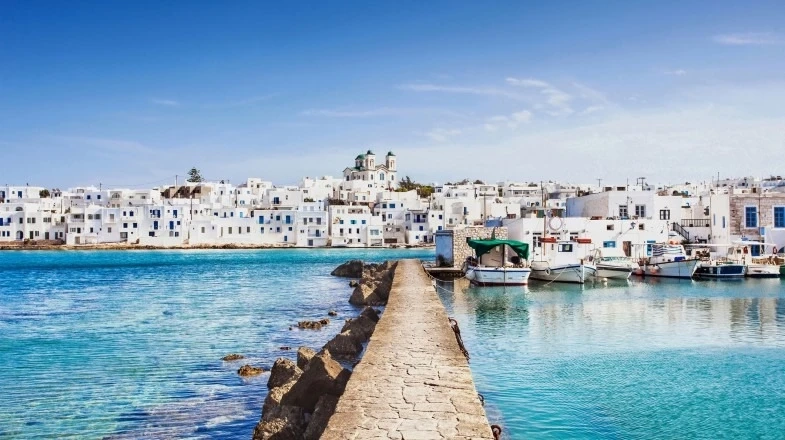
Greece, with its stunning landscapes, rich history, and vibrant culture, has long been a favorite destination for travelers worldwide. However, the growing awareness of environmental issues has led many tourists to seek more sustainable ways to explore this beautiful country. Eco-friendly travel practices are gaining popularity, ensuring that Greece remains a breathtaking destination for generations to come. Whether you\'re planning a 5 days trip to Greece or a longer stay, incorporating sustainable tourism practices into your itinerary can make a significant difference.
The Importance of Sustainable Tourism in Greece
Sustainable tourism focuses on minimizing the negative impact of travel on the environment while maximizing the benefits to local communities. In Greece, this means preserving its pristine beaches, ancient ruins, and natural parks, as well as supporting local economies and traditions. With over 6,000 islands, each with its unique ecosystem and cultural heritage, Greece offers a perfect opportunity for eco-friendly travel.
Planning Your 5 Days Trip to Greece: Sustainable Choices
When planning a 5 days trip to Greece, consider the following sustainable tourism practices:
1. Choose Eco-Friendly Accommodations
Opt for accommodations that prioritize sustainability. Many hotels and guesthouses in Greece have adopted green practices such as using renewable energy, reducing water consumption, and promoting recycling. Look for certifications like Green Key, which indicate a commitment to environmental standards. Staying in eco-friendly lodgings not only reduces your carbon footprint but also supports businesses that care about the planet.
2. Travel Responsibly
Consider your mode of transportation when exploring Greece. Public transportation, such as buses and trains, is more eco-friendly than renting a car. If you must rent a vehicle, choose a hybrid or electric car. For island hopping, prefer ferries over flights, as they produce fewer emissions. Additionally, biking and walking are excellent ways to explore cities and towns, providing a more intimate experience with the local culture and environment.
3. Support Local Businesses
Eating at locally-owned restaurants, shopping at local markets, and booking tours with local guides are all ways to support the Greek economy sustainably. This practice ensures that your money stays within the community, helping to preserve traditional crafts, foods, and ways of life. When dining out, try traditional Greek dishes made from locally-sourced, seasonal ingredients.
4. Minimize Waste
Carry a reusable water bottle, utensils, and shopping bags to reduce plastic waste. Greece has made strides in reducing plastic use, but tourists can further aid these efforts by refusing single-use plastics. Many Greek islands have crystal-clear waters and pristine beaches that need protection from plastic pollution. Always dispose of your waste properly and participate in local beach clean-ups if possible.
5. Respect Nature and Wildlife
Greece\'s natural beauty includes diverse wildlife and delicate ecosystems. When hiking, snorkeling, or exploring natural areas, adhere to the "Leave No Trace" principles. Stay on designated trails, avoid disturbing wildlife, and refrain from picking plants or collecting rocks. In marine environments, be cautious not to damage coral reefs or disrupt marine life. By respecting nature, you help preserve Greece\'s biodiversity.
Eco-Friendly Destinations in Greece
Several destinations in Greece are known for their commitment to sustainability and eco-friendly practices. Including these places in your 5 days trip to Greece can enhance your eco-friendly travel experience.
1. Crete
Crete, the largest Greek island, offers numerous eco-friendly attractions and activities. The island is home to several organic farms and vineyards where you can enjoy farm-to-table dining experiences. Visit the Samaria Gorge, a stunning national park with well-maintained hiking trails. Crete also promotes sustainable tourism through agrotourism, where visitors can stay in traditional farmhouses and learn about organic farming practices.
2. Rhodes
Rhodes is another island embracing sustainable tourism. The island boasts several eco-friendly hotels and resorts, many of which use renewable energy sources. Rhodes is also known for its historical sites, such as the medieval Old Town, which is a UNESCO World Heritage site. By choosing local guides and respecting the preservation efforts, you contribute to the island\'s sustainable tourism.
3. Naxos
Naxos is a paradise for nature lovers, with its lush landscapes and beautiful beaches. The island promotes eco-tourism through activities like hiking, bird-watching, and sustainable agriculture. Visit local farms to taste fresh produce and learn about traditional farming techniques. Naxos is also part of the EU\'s Natura 2000 network, which aims to protect the island\'s natural habitats and species.
4. Peloponnese
The Peloponnese region is rich in history and natural beauty. It is home to several protected areas, such as the wetlands of Gialova and the forests of Mainalo. These areas are perfect for eco-friendly activities like hiking, bird-watching, and exploring ancient ruins. The region also supports sustainable agriculture, with many farms producing organic olive oil, wine, and honey.
Sustainable Activities for Your 5 Days Trip to Greece
1. Hiking and Nature Walks
Greece offers countless hiking trails that take you through breathtaking landscapes, from coastal paths to mountainous terrains. The Vikos Gorge in Epirus, the Meteora trails in Thessaly, and the mountainous paths of Crete are just a few examples. These trails often pass through protected areas, allowing you to experience Greece\'s natural beauty while contributing to conservation efforts.
2. Eco-Friendly Water Sports
Engage in water sports that have minimal impact on the environment. Kayaking, paddleboarding, and snorkeling are great ways to explore Greece\'s coastlines and marine life without causing harm. Choose operators that follow eco-friendly practices and prioritize the protection of marine ecosystems.
3. Cultural Experiences
Participate in cultural activities that support local communities. Attend traditional festivals, visit local museums, and take part in craft workshops. These experiences provide insight into Greece\'s rich cultural heritage while promoting the preservation of traditions and crafts.
4. Agrotourism
Agrotourism is a growing trend in Greece, allowing tourists to experience rural life and sustainable farming practices. Stay on a farm, participate in the harvest, and learn about organic agriculture. This type of tourism supports local farmers and promotes sustainable food production.
Conclusion
Eco-friendly travel in Greece is not only possible but also incredibly rewarding. By making conscious choices during your 5 days trip to Greece, you can enjoy the country\'s natural and cultural treasures while minimizing your environmental impact. Choosing sustainable accommodations, supporting local businesses, minimizing waste, and respecting nature are all steps that contribute to the preservation of Greece\'s beauty. Embrace sustainable tourism practices and ensure that Greece remains a pristine destination for future travelers.