




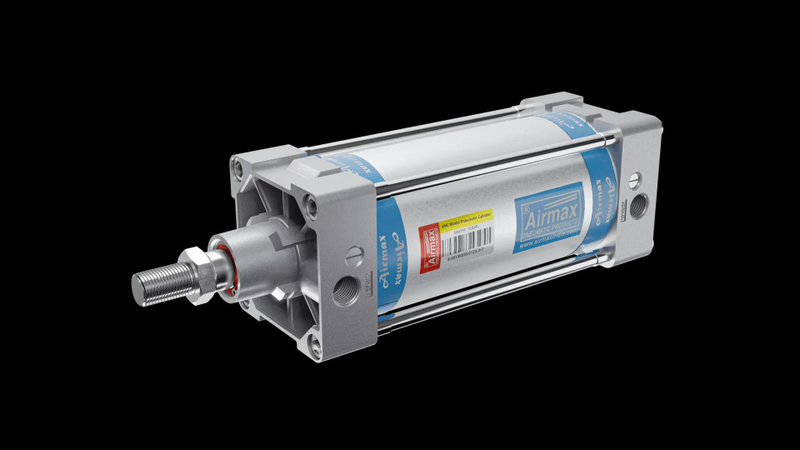
Industrial plants run nonstop, and so does the pressure to cut energy use without slowing production. Many factories look at motors, compressors, or full machines when reducing power consumption. But one overlooked area can deliver huge savings: the humble air cylinder. It may look simple, but the right air cylinder system can lower operating costs, reduce waste, and keep machines running smoother.
This guide walks through how energy-efficient air cylinder systems work, why industries now rely on them, and what engineers must check before upgrading. The goal is simple: help automation teams pick smarter pneumatic setups that save money every day on the shop floor.
Why Energy Efficiency Matters in Pneumatic Setups
Most industrial machines use compressed air somewhere in their operation. It powers movements, clamps, lifts, pushes, and positioning tasks. But compressed air is not cheap. Plants waste a lot of energy through leaks, oversizing, friction losses, and outdated cylinders that eat more air than they need.
Energy-efficient air cylinder systems solve these issues. They reduce air consumption, cycle faster, and run with more reliability. Many factories now treat air cylinders as a major part of their energy strategy, not just mechanical components.
With automation growing in almost every industry, engineers want cylinders that deliver performance without burning unnecessary power. Better control means smoother machines and lower utility bills.
How Modern Air Cylinders Improve Efficiency
The best part about energy-smart pneumatic systems is that they don’t require huge redesigns. A few key improvements create big results. Here are the main reasons energy-efficient cylinders stand out:
1. Low-friction internal design
Newer cylinders run with better surface finishes, tighter tolerances, and improved seals. Lower friction means the cylinder needs less air pressure to move. It cycles quicker, lasts longer, and stays stable even in dusty environments.
2. Weight-optimized construction
Old, heavy cylinders require higher force to move. Lightweight alloys reduce load on the system. The cylinder accelerates faster and uses less air per stroke.
3. Precise flow control
Flow controls let operators fine-tune speed and pressure. The system doesn’t waste air with sudden bursts or uneven strokes. This helps in applications like packaging, assembly, and pick-and-place tasks.
4. Better sealing technology
Leakage steals energy quietly. Modern seals prevent loss of pressure, so the compressor works less. Small improvements here create big savings over thousands of cycles each day.
5. Right-sizing the cylinder
Many factories use oversized cylinders “just to be safe.” But larger bores consume more air. Energy-efficient systems follow proper sizing guidelines, ensuring the cylinder uses only the air required-not more.
Where Energy-Efficient Air Cylinders Matter the Most
Almost every industry benefits from upgrading its pneumatic setup. But a few applications show the biggest gains:
Automated Assembly Lines
Speed matters here. Slow or inconsistent motion throws off timing. Energy-smart cylinders handle rapid, repetitive cycles with less air and smoother operation.
Food and Beverage Machinery
Clean, consistent movement improves hygiene and reduces downtime. Smooth-running cylinders reduce friction heat, which helps maintain equipment stability.
Material Handling Equipment
Lift tables, conveyors, and clamping systems rely heavily on air cylinders. When the load is constant, efficiency upgrades create noticeable cost savings.
Packaging Machines
Packing lines run thousands of cycles per shift. Reducing air use per stroke creates huge annual savings and also reduces maintenance needs.
Robotics and Small Automation Units
Lightweight cylinders support compact systems. Less air demand helps small-scale automation run efficiently even with smaller compressors.
Understanding the Role of the Air Cylinder in Automation
The air cylinder works as the core actuator in most pneumatic setups. It converts compressed air into mechanical motion: linear, rotary, or guided action. In energy-efficient systems, this motion becomes more controlled, stable, and predictable.
Here’s how the air cylinder delivers real value on the shop floor:
- It provides reliable force for repetitive tasks.
- It offers adjustable speed without complex electronics.
- It performs in harsh environments where electric actuators may fail.
- It keeps maintenance simple with minimal downtime.
In many factories, the air cylinder drives the most critical movements in the entire automation sequence. That is why upgrading to an efficient model creates such fast ROI.
A Closer Look at Energy Savings Through Smart Cylinder Use
Energy-efficient cylinders don’t work in isolation. They improve performance when paired with:
- Correct air preparation units
- High-quality tubing
- Leak-free fittings
- Smart flow controls
- Efficient compressors
Together, these elements form a complete energy-saving pneumatic system.
For example, reducing a cylinder’s operating pressure from 6 bar to 5 bar may seem small. But across hundreds of cycles, the plant can save thousands of liters of air per hour. Lower pressure also reduces the load on the compressor, extending its life and lowering repair frequency.
Another example: A packaging line uses a cylinder to push products into cartons. By adding a flow control and installing a low-friction cylinder, air consumption drops significantly. Cycle time improves, the compressor cycles less, and the machine runs cooler. These improvements don’t require any redesign, just better component selection.
Highlighting the Importance of the Air Cylinder in Automation
This section adds contextual use of your target keyword:
Industrial teams often underestimate how much the air cylinder influences overall plant efficiency. When the cylinder runs smoothly and uses less air per stroke, the entire system stabilizes. Machines respond faster, timing improves, and operators deal with fewer interruptions. Upgrading the air cylinder becomes one of the simplest ways to cut energy costs without touching the main machinery or changing the production layout.
How to Select the Right Energy-Efficient Cylinder
Choosing the correct cylinder takes careful review. Here are the factors professionals usually check:
1. Required Force and Stroke
The cylinder must deliver enough power without oversizing. A smaller, well-optimized cylinder uses far less air.
2. Operating Environment
Dust, moisture, heat, or chemical exposure influence seal material and body selection.
3. Cycle Rate
High-speed lines demand low-friction cylinders that maintain stability under constant cycling.
4. Air Quality
Clean, well-lubricated air protects the cylinder and extends its lifespan.
5. Mounting and Alignment
Misalignment causes friction, leaks, and wasted energy. Correct mounting ensures smooth strokes and better efficiency.
Why Many Industries Trust Expert Pneumatic Suppliers
Companies rely on trusted pneumatic partners to upgrade their cylinder systems. Leaders like Airmax Pneumatics support industries with durable, efficient cylinder solutions that match demanding automation tasks. Their expertise helps factories lower air consumption, improve reliability, and modernize aging systems.
Conclusion: Energy-Efficient Air Cylinders Are the Future of Automation
Energy efficiency no longer feels optional. Rising production costs, tighter deadlines, and competitive markets push factories to optimize every part of their machines. The air cylinder may be small, but its impact on daily operations is massive.
Upgrading to energy-efficient air cylinder systems helps industries reduce waste, improve machine flow, and save money, without stopping production or rebuilding equipment. When paired with smart controls and proper sizing, these cylinders become one of the simplest ways to create a more productive, cost-effective automation setup.
Industrial plants that invest in efficient pneumatic systems today build a stronger, smoother, and more profitable future for their operations.