




Life skills for students are essential for helping them grow into confident and responsible individuals. Along with academic learning, students need skills that help them communicate clearly, solve problems, and make sensible decisions in their everyday lives. These skills support students not only in school but also at home and in social situations.
Students can develop life skills through regular classroom learning, simple activities, and discussions on important topics. Such learning helps students understand real-life situations better and prepares them to face future challenges with confidence. Over time, the benefits of learning life skills become visible in a student’s behaviour, attitude, and overall development.
What Are Life Skills for Students?
Life skills are the skills that help students understand themselves and the world around them. They include the ability to think clearly, communicate effectively, manage emotions, and solve everyday problems. Learning life skills helps students become independent, confident, and better prepared to face real-life situations.
Types of Life Skills
There are different types of life skills that students need at various stages of life. These include communication skills, problem-solving skills, decision-making skills, critical thinking, teamwork, time management, and self-discipline. Together, these skills help students grow emotionally, socially, and mentally, making them more capable of handling responsibilities.
Here are 10 life skills that are important for every student:
- Communication Skills
Communication skills help students express their thoughts and feelings clearly. Good communication allows students to listen carefully, speak confidently, and share ideas with teachers, friends, and family.
- Problem-Solving Skills
Problem-solving skills help students find solutions when they face challenges. These skills teach students how to think calmly, understand a problem, and choose the best possible solution.
- Decision-Making Skills
Decision-making skills help students choose what is right and useful. By learning how to make decisions, students understand the results of their choices and learn to act responsibly.
- Critical Thinking
Critical thinking helps students think deeply and logically. It encourages them to ask questions, understand situations better, and make thoughtful decisions instead of acting quickly.
- Time Management
Time management teaches students how to use their time wisely. It helps them balance studies, activities, and rest without feeling stressed or rushed.
- Teamwork
Teamwork helps students learn how to work well with others. It teaches cooperation, respect, and sharing ideas to achieve a common goal.
- Leadership Skills
Leadership skills help students guide and motivate others. A good leader listens, supports team members, and takes responsibility for group tasks.
- Self-Confidence
Self-confidence helps students believe in themselves. Confident students are more willing to try new things, speak up, and face challenges without fear.
- Emotional Control
Emotional control helps students manage their feelings in a positive way. It teaches them how to stay calm, patient, and respectful even in difficult situations.
- Responsibility
Responsibility teaches students to take ownership of their actions. Responsible students complete tasks on time, follow rules, and understand the importance of their duties.
Importance of Life Skills for Students
Life skills for students are important for their overall development and well-being. These skills help students manage daily challenges in school and at home with confidence and clarity. By learning life skills, students are better prepared to handle responsibilities, adapt to new situations, and make thoughtful decisions in their everyday life.
Life skills also play a key role in building healthy relationships. Skills such as communication, teamwork, and emotional control help students understand others, respect different viewpoints, and work positively with peers and teachers. As students practise these skills regularly, they grow into confident individuals who are emotionally balanced, socially aware, and ready to face future challenges both academically and personally.
Benefits of Life Skills for Personal Growth
1. Better Communication
Life skills help students share their thoughts and feelings clearly and confidently. Students learn how to speak politely, listen carefully, and understand others’ points of view. Good communication improves relationships with teachers, classmates, and family members and reduces misunderstandings.
2. Improved Problem-Solving Ability
Life skills teach students how to stay calm when they face a problem. Instead of feeling stressed, students learn to think step by step and find suitable solutions. This helps them handle academic challenges as well as everyday situations more effectively.
3. Strong Decision-Making Skills
With life skills, students learn how to think before making choices. They understand that every decision has a result. This skill helps them choose what is right, avoid mistakes, and act responsibly in both school and personal life.
4. Increased Self-Confidence
When students practise life skills regularly, they start believing in their abilities. They feel confident to speak in class, participate in activities, and try new things. Self-confidence helps students face challenges without fear and develop a positive attitude towards learning.
5. Emotional Control and Stability
Life skills help students understand and manage their emotions. Students learn how to stay calm during difficult situations and express feelings in a healthy way. Emotional control helps reduce stress, anger, and anxiety, leading to better behaviour and focus.
6. Better Teamwork and Cooperation
Life skills encourage students to work well with others. They learn to respect different opinions, share responsibilities, and support their teammates. Teamwork builds friendship, cooperation, and a sense of belonging among students.
Entrepreneurial Thinking as a Life Skill
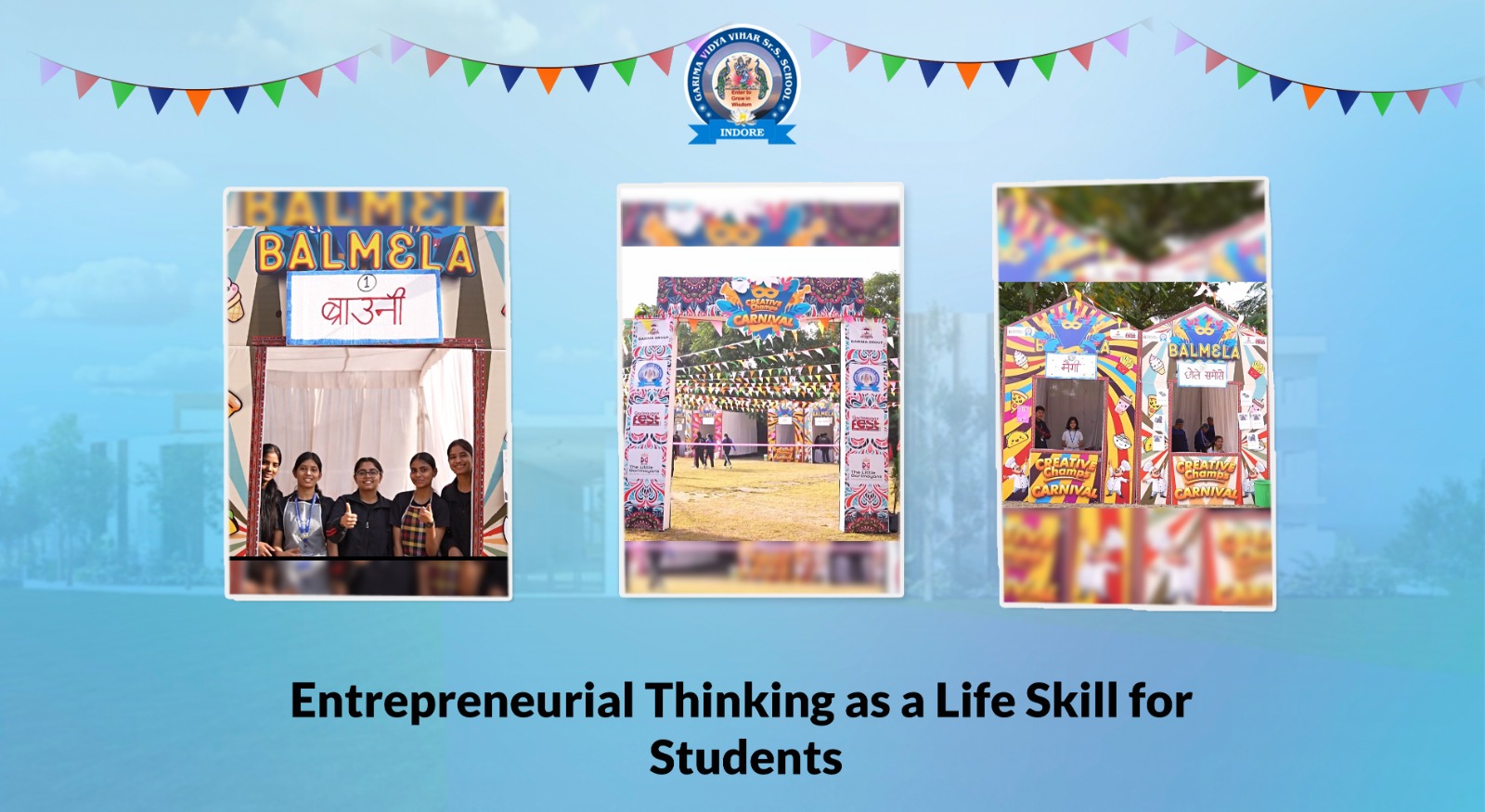
Entrepreneurial thinking is an important life skill that helps students think independently and act confidently. It teaches students how to look at problems in a positive way, find solutions, and take responsibility for their actions. This way of thinking supports overall personal growth and helps students handle real-life situations better.
What Is Entrepreneurial Thinking?
Entrepreneurial thinking means the ability to think creatively, take initiative, and solve problems in a smart way. It encourages students to observe situations, identify challenges, and come up with practical ideas. This type of thinking is not only about business; it is about developing a mindset that helps students learn from experiences and improve continuously.
Why Entrepreneurial Thinking Is Important for Students?
Entrepreneurial thinking is important for students because it helps them become confident, self-reliant, and proactive in their daily life. Students learn how to think independently, take responsibility for their choices, and find solutions instead of waiting for instructions. This builds a strong sense of ownership and self-belief.
Through entrepreneurial thinking, students also learn how to make thoughtful decisions and take calculated risks. They understand that making mistakes is a part of learning, not a failure. This approach reduces fear, encourages curiosity, and helps students handle academic pressure and social challenges calmly.
Entrepreneurial thinking prepares students for future responsibilities by developing adaptability and resilience. Whether it is managing school work, participating in group activities, or facing real-life situations, this mindset helps students stay positive, focused, and ready to learn from every experience.
Life Skills Activities for Students
Life skills activities for students help them learn important abilities through practice rather than only reading or listening. These activities make learning interesting and meaningful. When students take part in activities, they understand how to communicate better, solve problems, manage emotions, and work responsibly. Regular activities also help students apply life skills in their daily school and home life.
- Classroom Activities
Classroom activities play an important role in developing life skills. Activities such as role-playing, storytelling, debates, and class discussions encourage students to speak confidently and listen to others. Problem-solving exercises help students think logically and make decisions. Even simple activities like presentations, question-answer sessions, and classroom responsibilities help students build confidence, discipline, and communication skills.
- Group-Based Learning Activities
Group-based learning activities help students understand the value of teamwork and cooperation. When students work in groups, they learn how to share ideas, respect different opinions, and support one another. Activities such as group projects, team tasks, and collaborative assignments build leadership skills and teach students how to handle disagreements in a positive way. These activities also improve social skills and help students build strong relationships.
- Real-Life Learning Activities
Real-life learning activities connect classroom learning with real-world experiences. Activities like organising events, managing simple tasks, helping in school initiatives, or solving everyday problems teach students responsibility and decision-making. Such activities help students understand how life skills are used in real situations. This practical exposure prepares students to face real-life challenges with confidence and maturity.
Role of Schools in Developing Life Skills
Schools play a very important role in developing life skills for students. Along with academic learning, schools help students learn how to communicate, work with others, manage emotions, and make responsible decisions. Through daily school routines, students practise discipline, teamwork, and respect, which are essential life skills.
Teachers and school activities create a supportive environment where students can learn through experience. Classroom discussions, group work, projects, and real-life learning activities encourage students to think independently and solve problems. When schools focus on life skills along with studies, they help students grow into confident, responsible, and well-prepared individuals for the future.
Wrapping Up
Life skills for students are the foundation of a confident and successful future. When students learn skills such as communication, problem-solving, decision-making, and responsibility, they become better prepared to handle both academic challenges and real-life situations. These skills help students grow into independent, thoughtful, and well-balanced individuals who are ready to face the world with confidence.
At Garima Vidya Vihar, equal importance is given to academic excellence and life skills development. The school focuses on creating a supportive learning environment where students learn through activities, practical experiences, and values-based education. By nurturing life skills along with knowledge, Garima Vidya Vihar helps students become responsible citizens and future-ready learners.