




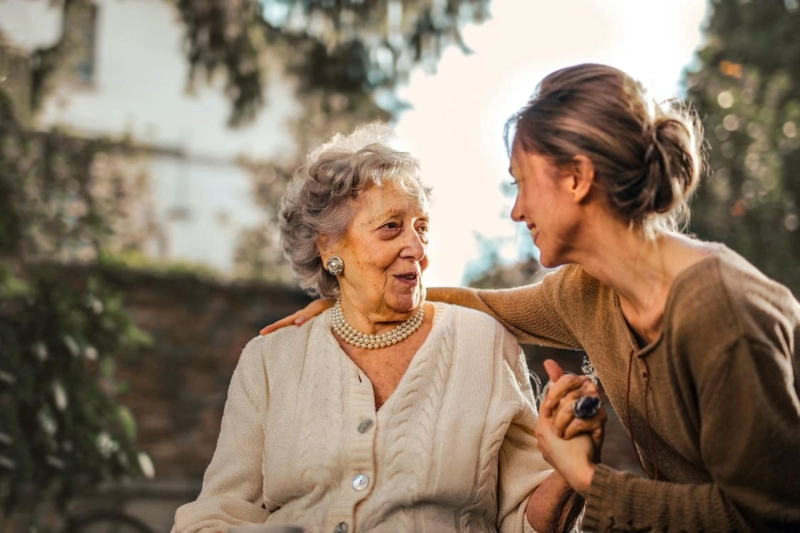
Dementia is a progressive brain disorder that affects millions of people worldwide. It is a term used to describe a range of symptoms that affect memory, thinking, and social abilities. Dementia can be caused by various factors such as Alzheimer's disease, Parkinson's disease, stroke, or head injury. The symptoms of dementia can vary from person to person but generally include memory loss, confusion, difficulty communicating, and changes in mood and behavior.
For caregivers of elders with dementia symptoms, understanding the condition and its effects on behavior and personality is essential for providing effective care. As the condition progresses, individuals with dementia may require increasing levels of support with daily activities such as bathing, dressing, and eating. Caregivers must be prepared to adapt their approach to meet the changing needs of the individual while maintaining their own well-being. In this blog post, we will explore five essential caregiving tips for elders with dementia symptoms that can help provide better care for both the caregiver and the individual being cared for.
Create a Daily Routine
Caring for an elder with dementia can be challenging, but establishing a daily routine can help alleviate some of the stress and make the individual feel more secure. A routine provides structure and familiarity, which can help reduce confusion and anxiety.
Establishing a Routine
When creating a daily routine for an elder with dementia, it's important to keep their preferences and abilities in mind. Start by making a list of their daily activities, such as waking up, eating meals, taking medication, and going to bed. Then, create a schedule that includes these activities at consistent times each day.
Visual aids can be helpful in establishing a routine for individuals with dementia. Use pictures or written reminders to help them remember what comes next. For example, you could use a picture of a toothbrush to remind them to brush their teeth after breakfast.
It's also important to build in time for leisure activities and socialization. Engaging in enjoyable activities can improve mood and reduce agitation. Consider incorporating activities such as listening to music, doing puzzles together, or going for walks.
Adapting to Changing Needs
As dementia progresses, the individual's needs may change. It's important to remain flexible and adjust the routine as needed. For example, if they are having difficulty with certain tasks or becoming fatigued more easily, you may need to adjust the timing or frequency of certain activities.
It's also important to pay attention to changes in behavior or mood that may indicate discomfort or pain. If you notice any changes in behavior or symptoms that concern you, consult with their healthcare provider.
In addition to adapting the routine as needed based on changing needs, it's important to provide opportunities for choice whenever possible. Allowing the individual to make decisions about their daily activities can help them maintain a sense of control and independence.
Establishing a daily routine is an essential part of caring for an elder with dementia symptoms. By providing structure and familiarity while remaining flexible and adaptable as needed, caregivers can help reduce stress and improve quality of life for both themselves and their loved ones.
Clear and Calm Communication
One of the most challenging aspects of caring for an elder with dementia symptoms is communication. As the disease progresses, individuals may struggle to understand language or express themselves clearly. They may also become easily overwhelmed by sensory stimulation, leading to confusion and frustration.
To ensure effective communication, it's important to use clear and simple language. Avoid using complex sentences or unfamiliar words that may confuse the individual. Instead, speak slowly and clearly, using short phrases or sentences. It can also be helpful to use visual aids such as pictures or gestures to convey your message.
Another key aspect of clear communication is avoiding overstimulation. This means reducing noise and distractions in the environment as much as possible. Turn off the television or radio when speaking with your loved one, and avoid having multiple conversations going on at once.
In addition to these strategies, it's important to be patient and calm when communicating with someone with dementia symptoms. If you become frustrated or agitated, this can escalate their own emotions and lead to challenging behaviors.
Dealing with Challenging Behaviors
Despite your best efforts, there may be times when your loved one becomes agitated or aggressive during a conversation. In these situations, it's important to remain calm and try to diffuse the tension.
One strategy is redirection - changing the subject or activity in order to shift their focus away from what was causing them distress. For example, if they are upset about a missed appointment, you could suggest going for a walk outside instead.
Another approach is validation - acknowledging their feelings without necessarily agreeing with them. For example, if they are upset because they believe someone stole their wallet (even though it's just misplaced), you could say "I'm sorry you feel that way" rather than trying to convince them otherwise.
It's also important to set boundaries around physical aggression or violence. If your loved one becomes physically threatening towards you or others, it may be necessary to remove yourself from the situation until they have calmed down.
By practicing clear and calm communication techniques and being prepared for challenging behaviors, you can help create a more positive caregiving experience for both yourself and your loved one with dementia symptoms.
Self-Care for Caregivers
Caring for a loved one with dementia can be emotionally and physically exhausting. It's essential for caregivers to prioritize their own self-care to prevent burnout and maintain their well-being.
The Importance of Self-Care
Caregiving can take a toll on the caregiver's mental and physical health. According to the Alzheimer's Association, caregivers are at higher risk of depression, anxiety, and chronic illnesses such as heart disease. Neglecting self-care can lead to burnout, which is characterized by exhaustion, detachment, and feelings of hopelessness.
To provide the best care possible for your loved one, it's crucial to prioritize your own well-being. Taking care of yourself isn't selfish; it's necessary to ensure that you have the energy and emotional capacity to care for someone else.
Tips for Self-Care
Here are some tips on how caregivers can practice self-care:
Take breaks: Schedule regular breaks throughout the day to recharge and relax. This could be as simple as taking a walk outside or reading a book.Seek support: Don't hesitate to ask family members or friends for help with caregiving tasks or emotional support. Joining a support group can also provide valuable resources and connections.Practice stress-reducing activities: Incorporate stress-reducing activities into your daily routine, such as yoga or meditation.Get enough sleep: Aim for 7-8 hours of sleep per night to improve your mood and cognitive function.Eat well: Eating a balanced diet can boost your energy levels and immune system.Remember that taking care of yourself is crucial in providing quality care for your loved one with dementia symptoms. Don't hesitate to seek help when needed, prioritize self-care, and take breaks regularly.
Conclusion
In conclusion, caring for elders with dementia symptoms can be a challenging role, but it is also incredibly rewarding. By understanding the symptoms of dementia and how they affect behavior and personality, creating a daily routine, using visual aids and reminders, communicating clearly and calmly, and taking care of yourself as a caregiver, you can provide the best possible care for your loved one. Remember to seek additional resources and support when needed, whether it's from family members, healthcare professionals, or support groups. There are many organizations that offer assistance to caregivers of individuals with dementia symptoms, such as the Alzheimer's Association or local senior centers. It's important to recognize that caregiving is not a journey meant to be taken alone. By reaching out for help when needed and practicing self-care regularly, you can continue to provide compassionate care while maintaining your own physical and emotional well-being.