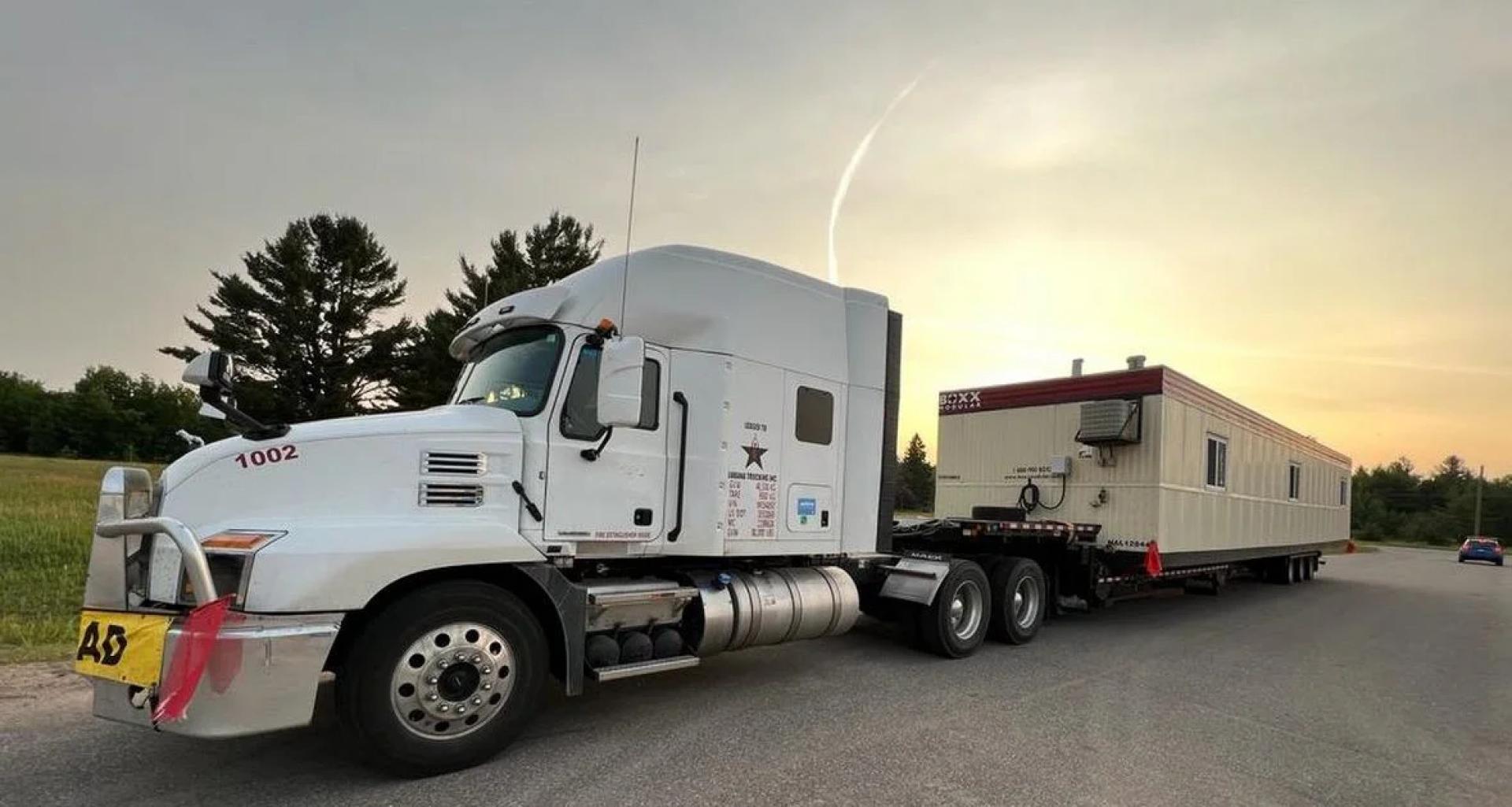

When it comes to transporting large or heavy items, oversized load transportation is crucial. Whether you're moving industrial equipment, construction materials, or specialized machinery, understanding the ins and outs of this process is essential for ensuring safe and efficient transportation. In this guide, we’ll explore everything you need to know about oversized load transportation—from regulations and permits to best practices and challenges. Let’s dive in!
What is Oversized Load Transportation?
Oversized load transportation refers to the movement of items that exceed standard size or weight limits for road transport. These loads are often large, heavy, or unusually shaped, which means they require special equipment, routes, and permits. Examples include large machinery, construction materials, wind turbine blades, or prefabricated homes.
The main challenge with oversized loads is ensuring they can be transported safely without damaging infrastructure or causing traffic disruptions. Proper planning and execution are crucial to achieving this goal.
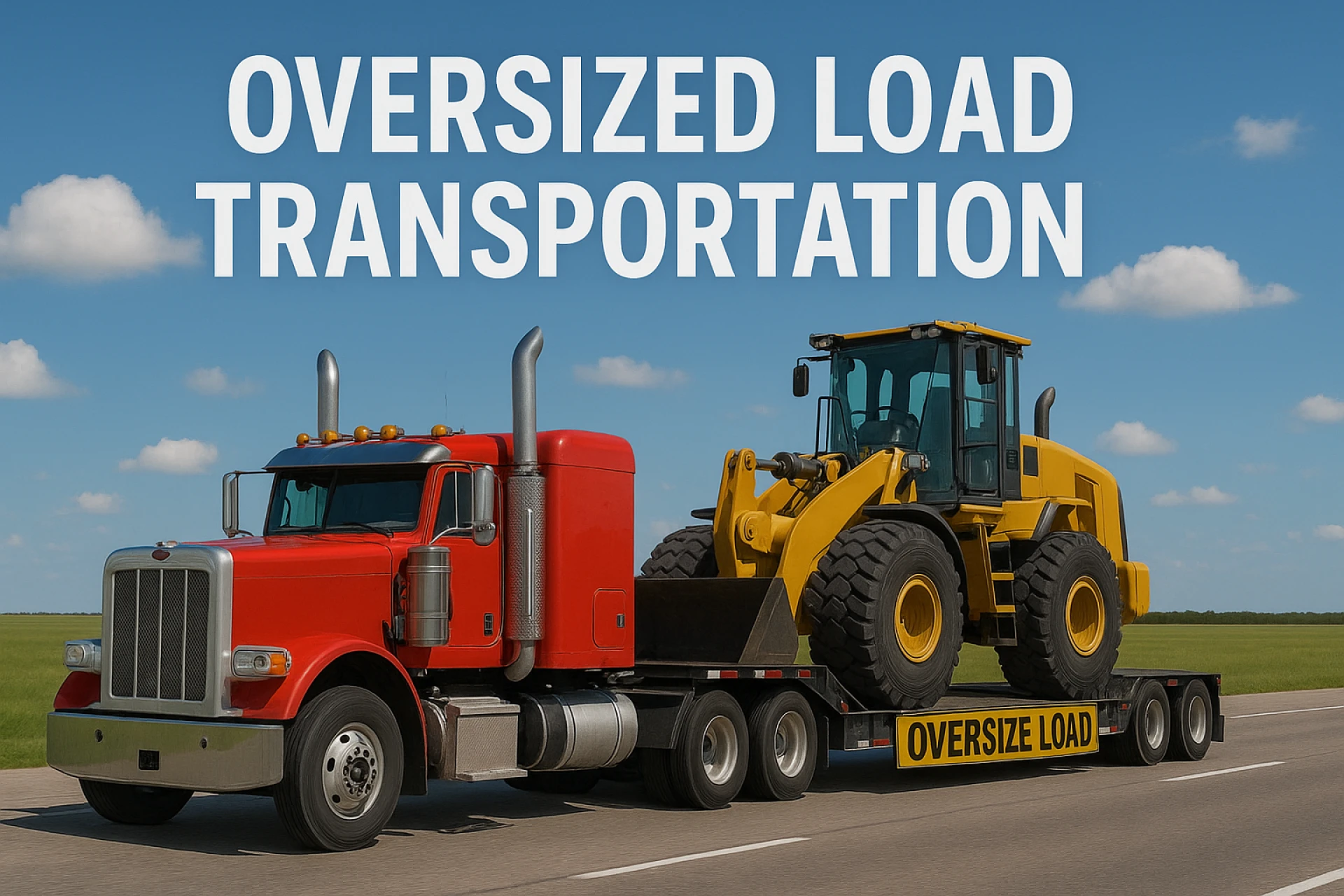
Key Factors in Oversized Load Transportation
1. Size and Weight Restrictions
The first step in planning an oversized load transportation project is to determine the size and weight of the load. Every state or region has specific regulations regarding the maximum dimensions and weight limits for vehicles on the road. These restrictions will determine what size and type of truck or trailer is needed, and whether any special accommodations, such as escorts, are necessary.
2. Permits and Regulations
Before transporting an oversized load, it’s important to secure the necessary permits. Depending on the location and the size of the load, you may need one or more permits to legally move the load. These permits ensure that the load adheres to local and state laws and safety standards.
In addition to the permits, transportation companies must also comply with weight and route restrictions. Some routes might be unsuitable for oversized loads due to low bridges, sharp turns, or narrow roads, so choosing the right path is key.
3. Escort Vehicles
Many jurisdictions require escort vehicles to accompany oversized loads. These escorts ensure that the transportation of the load goes smoothly and that other road users are aware of the situation. In some cases, police escorts may be required for particularly large or hazardous loads.
Escort vehicles help with the following:
- Clearing traffic ahead of the oversized load.
- Alerting other drivers about road closures or lane shifts.
- Ensuring the safety of both the load and other vehicles on the road.
4. Specialized Equipment
Transporting oversized loads requires specialized equipment that can safely handle the size and weight of the item. Common types of equipment used include:
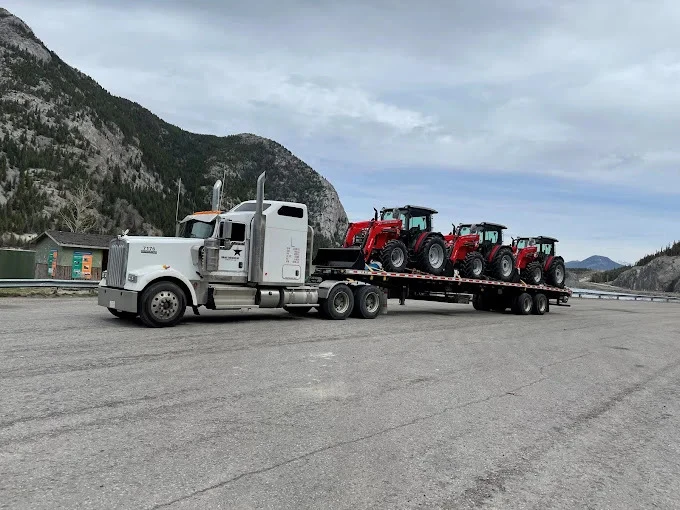
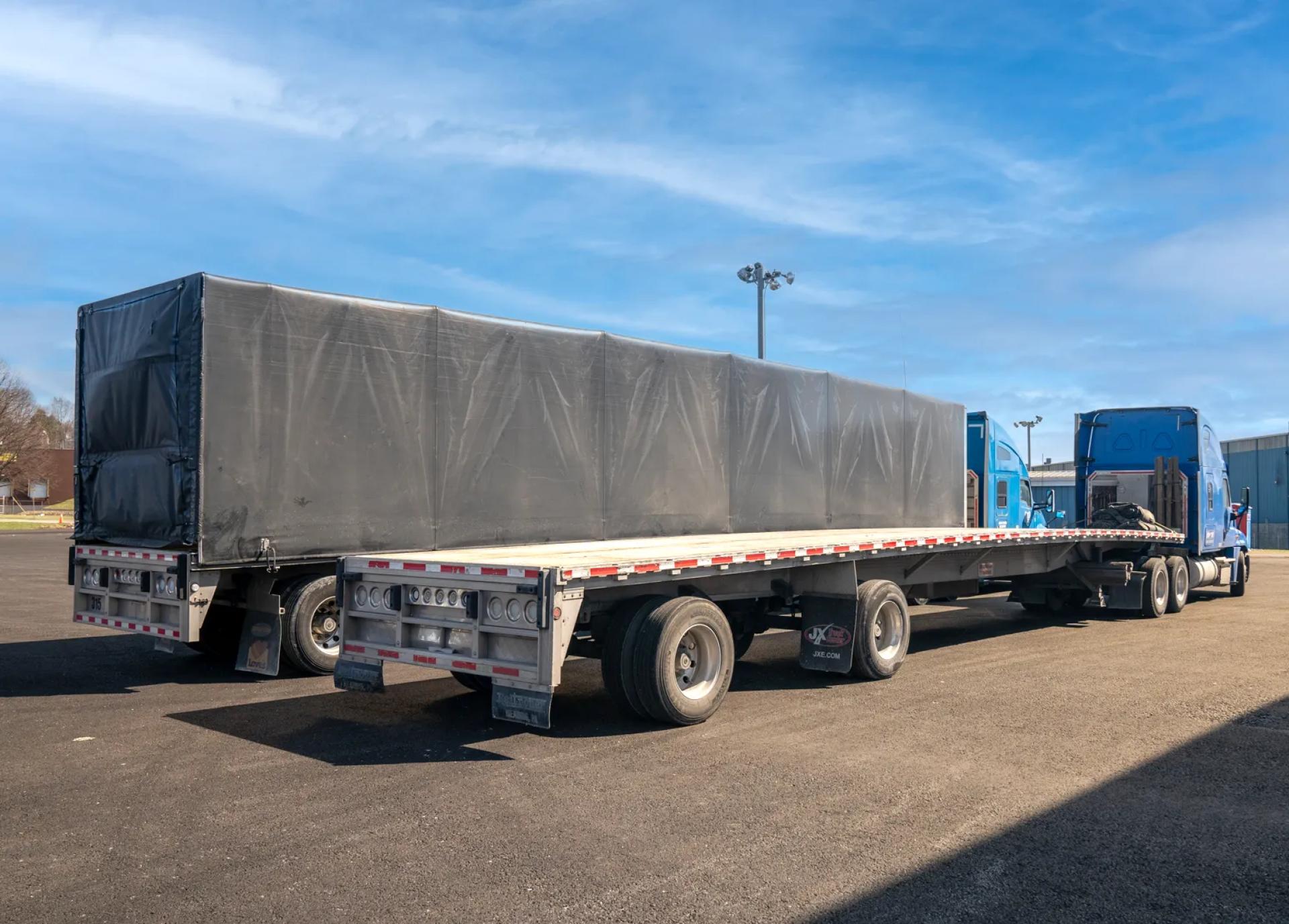
- Flatbed trailers: Often used for transporting large machinery, vehicles, or prefabricated structures.
- Step-deck trailers: These trailers are useful for high-clearance loads, as they have a lower deck height.
- Extendable trailers: These trailers can be lengthened to accommodate extra-long loads.
The choice of equipment will depend on the nature of the load, the route, and the level of clearance required for bridges and overhead obstacles.
5. Route Planning
Route planning is one of the most critical aspects of oversized load transportation. Specialized routes need to be chosen to accommodate the size of the load and avoid obstacles like:
- Low bridges and overpasses
- Narrow roads and sharp turns
- Weigh stations and traffic restrictions
Advanced planning can help avoid last-minute roadblocks and ensure the load reaches its destination on time. In some cases, roads may need to be temporarily closed, or traffic signals might be adjusted to accommodate the oversized load.
Challenges of Oversized Load Transportation
1. Infrastructure Limitations
One of the biggest challenges in oversized load transportation is the limitations of road infrastructure. Not every road is designed to handle large loads. Low bridges, tight corners, and even the width of lanes can make transporting oversized loads difficult. Sometimes, routes need to be adjusted, or the load may need to be disassembled into smaller parts for easier transport.
2. Weather Conditions
Inclement weather, such as heavy rain, snow, or high winds, can create significant risks for transporting oversized loads. Weather-related disruptions may cause delays or require rescheduling to ensure the safety of the load and the drivers. Proper planning should take weather forecasts into account to avoid these issues.
3. Traffic Disruptions
The presence of an oversized load on the road can cause significant traffic disruptions. To minimize these disruptions, planning is key. Traffic management measures, such as temporary road closures or detours, may be required, which can impact delivery times and add costs to the project.
4. Cost
Due to the special equipment, permits, escorts, and route planning involved, transporting oversized loads can be expensive. The cost can vary significantly depending on the distance, weight, and complexity of the transportation. It's essential to factor in all potential costs when budgeting for such projects.
Best Practices for Oversized Load Transportation
To ensure that the transportation process is smooth and efficient, here are a few best practices to follow:
Work with Experienced Transport Companies
Partner with a transport company that specializes in oversized loads. They will have the necessary expertise and equipment to handle the job safely and efficiently.
Secure All Permits and Approvals
Ensure that all required permits and approvals are obtained well in advance of the scheduled transport date. Delays in securing permits can lead to missed deadlines and additional costs.
Pre-Trip Inspection
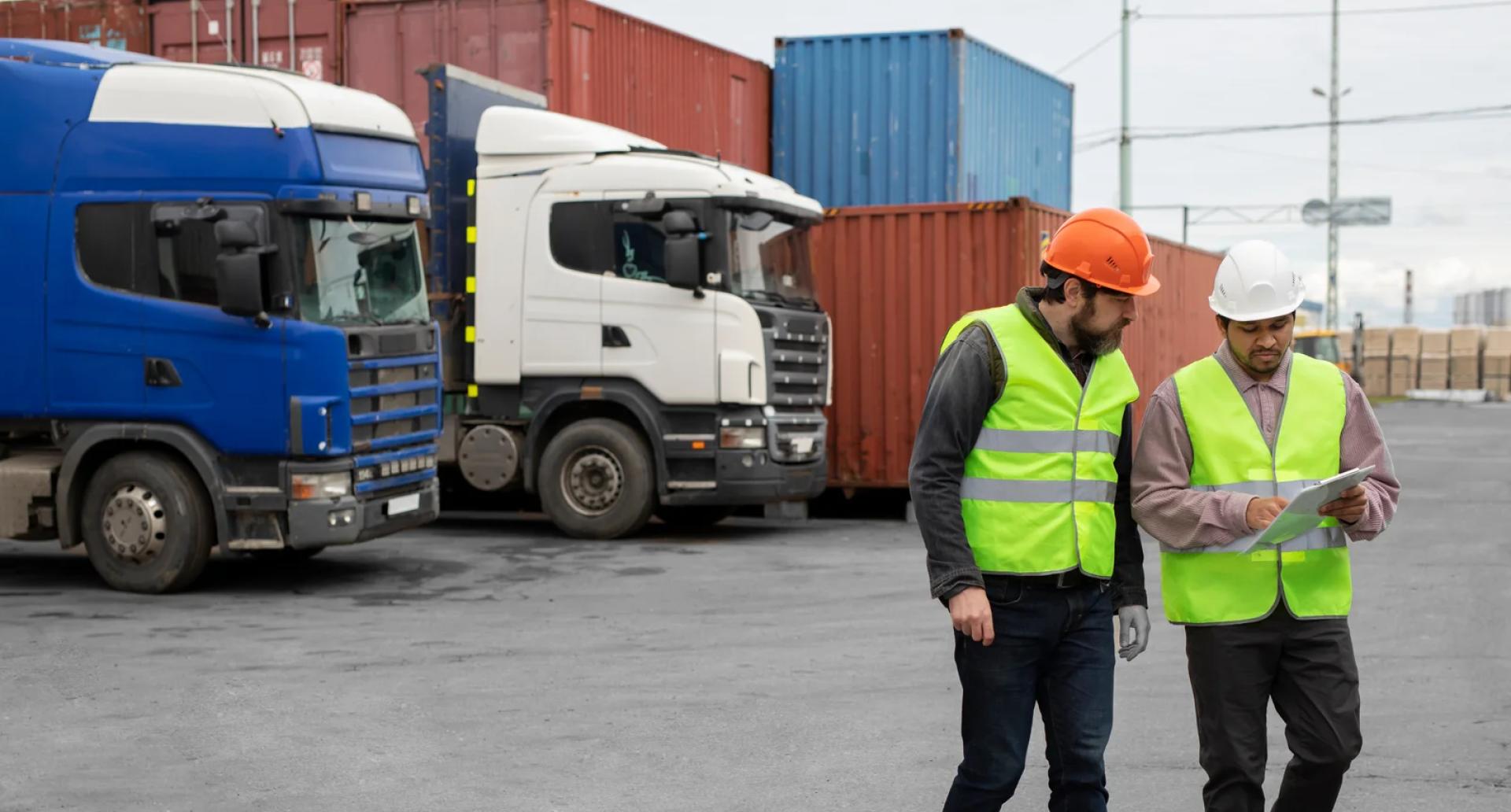
Before setting out, conduct a thorough inspection of the load, equipment, and escort vehicles. This ensures that everything is in good condition and ready for the journey.
Communication with Local Authorities
Keep local authorities informed about your route and travel schedule, especially if you’ll be passing through urban areas or highways with heavy traffic.
Monitor Weather Conditions
Stay updated on weather forecasts and be prepared to delay or reschedule transportation if adverse weather conditions arise.
Conclusion
Oversized transport is a complex process that requires careful planning, specialized equipment, and attention to detail. From securing permits to choosing the right route, every step of the process is critical for ensuring a safe and successful delivery. By working with experienced professionals and following best practices, you can ensure that your oversized load is transported efficiently, on time, and within budget.
If you're looking to transport an oversized load, it's essential to partner with a company that understands the nuances of the process and has the right resources to make it happen safely. Whether it’s machinery, construction materials, or any other large items, following the proper guidelines ensures smooth transportation every time.

























Sign in to leave a comment.