

Drains are one of those things you don’t really notice until they stop working. A slow sink, a shower that starts pooling at your feet, or an outdoor grate overflowing after rain — each is a sign that something’s gone wrong below the surface. Left alone, these problems rarely sort themselves out and can quickly turn into bigger headaches around the home.
I’ve seen it firsthand. At a mate’s place in Brisbane, water in the kitchen sink barely moved for days. We tried boiling water and plungers, but the clog just kept coming back. Eventually, it was clear that a simple tidy-up wasn’t enough — what he needed was proper blocked drains repair to deal with the build-up that had taken hold deeper in the pipes. That experience showed me how important it is to catch these issues early before they spiral.
What actually causes most blockages
Blockages rarely appear out of nowhere. They build layer by layer until the flow drops off. Inside the house, soap scum and hair bind together; in kitchens, oils cool and cling to pipe walls. Outside, small cracks let roots seek moisture and expand.
- Common indoor sources: hair, soap residue, toothpaste grit, food particles, wipes.
- Outdoor triggers: root intrusion, ground movement, silt after heavy rain.
- Early clues: faint gurgles, a slow bath drain, or water pooling around an external grate.
- Risk amplifiers: older pipes, dislodged pipe joints, poorly graded stormwater runs.
A quick anecdote: I once helped a neighbour who swore the shower drain “fixed itself” after a plunge. It didn’t. A week later, water lingered in the recess because a mat of hair and soap had reformed upstream. The fix wasn’t heroic — we removed the trap cover, used a simple snake, and followed with hot water — but the lesson stuck: little buildups behave like Velcro for more debris.
Local responsibilities and council support (Sydney example)
Responsibilities are shared: homeowners manage internal plumbing and private stormwater, while councils set standards around connections, public assets, and trees on public land. When heavy rain hits or ground shifts, drainage can be affected by factors beyond the bathroom or kitchen.
- If surface water constantly pools, inspect downpipes, gutter falls, and overflow routes.
- Look for cross-connections (e.g., stormwater into sewer) that shouldn’t be there.
- Keep yard grates free of leaves; check that surface water has a lawful point of discharge.
- Document recurring wet patches; photographs help pattern-spot over time.
It helps to have credible, local advice when private and public responsibilities meet. The City of Sydney offers plain-English guidance on identifying and addressing drainage problems in Sydney, including what sits with owners and what may involve council assets. That sort of resource doesn’t sell you something; it simply clarifies the boundaries so you can act with confidence at your end — or contact the right party when you’ve ruled out issues on private property.
From there, think prevention as a habit: clean gutters seasonally, trim roots near known pipe runs, and keep stormwater paths unobstructed. Even simple changes like lifting garden beds off inspection points can improve access for future maintenance.
DIY first, then escalate sensibly
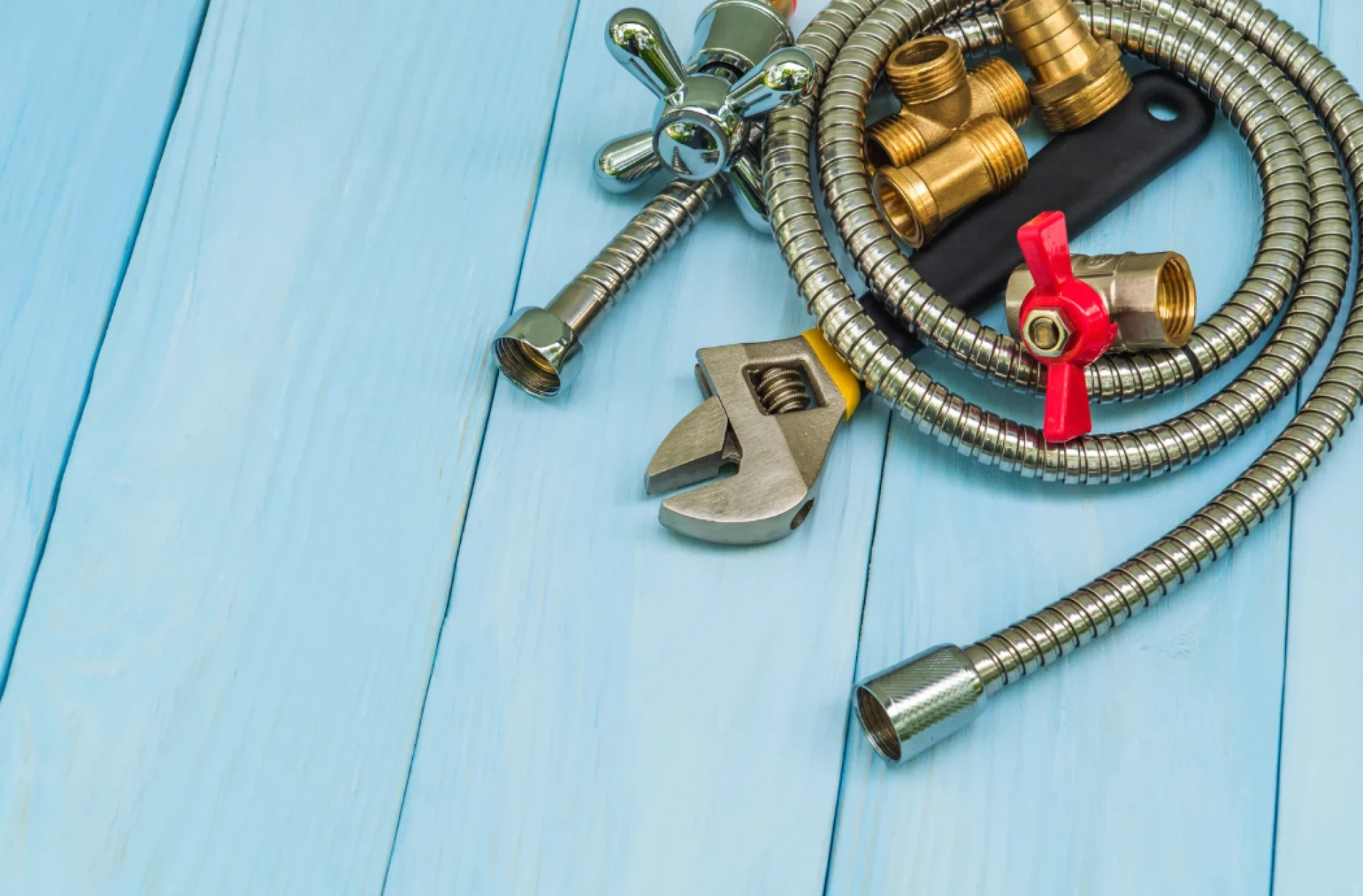
Plenty of minor blockages yield to calm, low-risk steps that won’t damage the system. The idea is to start gently, confirm the symptom, and avoid harsh chemicals that can harm seals or pipe finishes.
- Test one fixture at a time; note whether the slowdown is local or whole-of-house.
- Use a plunger with a good seal; slow, steady strokes beat frantic pumping.
- Try a basic mechanical snake for hair and lint; remove the trap where accessible.
- Finish with hot (not boiling) water to shift softened residue in kitchen lines.
If toilets burp when a nearby sink drains, or multiple fixtures misbehave at once, that’s typically not a simple trap issue. In those moments, an inspection camera and jetting gear make short work of buried problems without guesswork. I’ve seen a single pass of jetting clear years of accumulated silt from an old clay line after a run of storms. The difference at the fixtures was immediate: no smell, no lag, just normal flow again.
Bathroom hotspots to watch (and quick wins)
Showers and vanities collect tiny fibres and product residue that slowly knit together. Small, regular habits keep things moving and reduce the chance of that weekend surprise.
- Fit a hair catcher and empty it before it mats up.
- Wipe excess product off hands before rinsing to limit build-up.
- Every so often, remove the waste cover and clear visible debris.
- Keep the silicone in good shape so water tracks where it should, not under tiles.
If you’re building out resources for your site or team, a focused piece on bathroom care anchored to a blocked shower drain cleaner can be surprisingly useful for day-to-day maintenance. That phrase isn’t about pushing a product; it frames the everyday problem people type into search when the shower turns into a shallow pool. Practical, specific advice around that theme helps households handle the easy stuff and know when it’s time to look deeper. After all, consistent habits in wet areas prevent most dramas long before anyone reaches for tools.
Health, hygiene, and safety considerations
Blocked drains don’t just inconvenience; they change the environment inside a home. Stagnant water can encourage bacteria, while damp conditions favour mould. In some cases, pests follow odours through compromised traps or unsealed penetrations.
- Watch for musty smells after showers; lingering odour can signal a trap issue.
- Keep floor wastes wet (or use trap primers) so gas doesn’t travel inside.
- Seal penetrations where services enter; gaps are easy pathways for insects.
- Ventilate wet rooms; a few extra minutes of exhaust fan time pays off.
The truth is, the health risks from blocked drains are not just about unpleasant smells — they affect air quality and comfort in everyday living. On one job, I remember a family scrubbing away at mould in the same bathroom corner week after week. It turned out that a small, hidden drain had dried up, letting air and moisture seep inside. Once we resealed the trap and improved airflow, the mould problem stopped altogether.
Final thoughts
Keeping drains in good shape isn’t about gadgets; it’s rhythm. Small habits, occasional checks, and clear roles between private plumbing and public assets keep homes comfortable and safe. When symptoms persist across multiple fixtures, or when outdoor signs point to deeper issues, stepping beyond DIY is simply practical. If you’ve ticked off the basics and the problem returns, consider a planned inspection rather than a quick fix — it saves frustration and keeps your household moving without fuss.
























Sign in to leave a comment.