
Are you afraid of the upcoming summer heat, which can really kill your garden? High temperatures and low humidity create the perfect conditions for most plants to fail to survive. This post explores the common pitfalls that many gardeners face and provides practical solutions to help you overcome them.
These continuous climate changes can be a real challenge for even the most experienced gardeners Sydney boasts of. Homeowners need a few simple tips and tricks to keep their gardens thriving, no matter how hot it gets.
It also discusses how to choose the right plants for your garden, the importance of efficient watering techniques, the benefits of mulching, and the best ways to protect your plants from the sun. Discuss the effective pest and disease control methods to keep your garden healthy and vibrant. You can turn your garden into a lush oasis that would be the envy of your neighbours.
Understand Sydney's summer climate.
Sydney's climate is a bit extreme due to sweltering temperatures and low humidity. This could cause instant dehydration in plants and make them wilt, wither, burn, or even die out. Understanding the specific needs of your plants and devising appropriate watering strategies is imperative in these conditions.
Basic watering methods
- Deep and infrequent watering: Ditch frequent shallow watering; deep and infrequent watering will result in deeper root penetration and, hence, drought resistance from your plants.
- Mulching: Adding mulches to the plants can hold moisture in the soil, suppress weeds, and moderate temperatures, keeping it stable. Organic kinds include compost or sugar-cane mulch.
- Watering time: It is best to water your plants in the morning or late evening when it is relatively calm. The hottest time of the day should be avoided since all the water will evaporate.
Choose appropriate plant
Selecting the appropriate plants will do all the talking to maintain an efficient outdoor garden during summer. In return, this means significantly reducing the amount of time spent gardening, based on proper choices regarding which type of plant can suit this soil and local climatic conditions.
- Native plants are an excellent choice for Sydney gardens. They are well adapted to the local climate, soil conditions, and pest and disease pressures. Many native plants are drought tolerant, requiring less water and maintenance. They also attract local wildlife, such as birds and butterflies, creating a more vibrant and sustainable ecosystem.
- Drought-tolerant plants are another excellent option for Sydney gardens. These plants have evolved to survive in arid conditions and can withstand periods of dry weather. Some popular drought-tolerant plants include succulents, cacti, and certain types of grasses.
- Container gardening allows you to be flexible and in charge of your garden environment. The right choice of containers and potting mix offers the ideal growing conditions for your plants. Select plant species that thrive in the container and provide sufficient water for proper drainage to minimise root rot.
Brilliant plant selection and careful consideration of these factors may create a beautiful and sustainable garden that will thrive even during the coldest Sydney summers.
Protect your plants from the sun
Sun in Sydney's hot summers can be an excellent barrier for gardeners. Try these effective techniques that protect your plants:
- Strategic planning: Plan your garden well. Plan your garden well about the path that the sun travels. For high sun-loving plants, place plants in places with considerable sunlight and keep those that cannot stand a whole day of the sun so as to place them partially shaded.
- Shading devices: Use shade cloth or other shading structures to create a protective cover against the intense sun. Otherwise, plant taller species to provide natural shading for more sensitive species.
- Potted plant placement: Move potted plants around to shadier areas at the hottest times of the day. This simple act can significantly enhance their chances of survival.
Pest and disease management
With some of the most challenging summer conditions approaching, it creates a perfect nursery for pests and diseases to play havoc with your garden. So, the very best defence is to maintain your guard up and protect your plants ahead of this.
- Aphid: Tiny insects that might infest a plant almost overnight by sucking sap on them to make them poorly grown.
- Whiteflies: These white beetles with wings can harm plants, which could be devastating to greenhouses and indoor gardens.
- Fungal diseases: Heat also favours the development of fungal diseases, such as powdery mildew and rust, which prefer high humidity.
Organic pest control
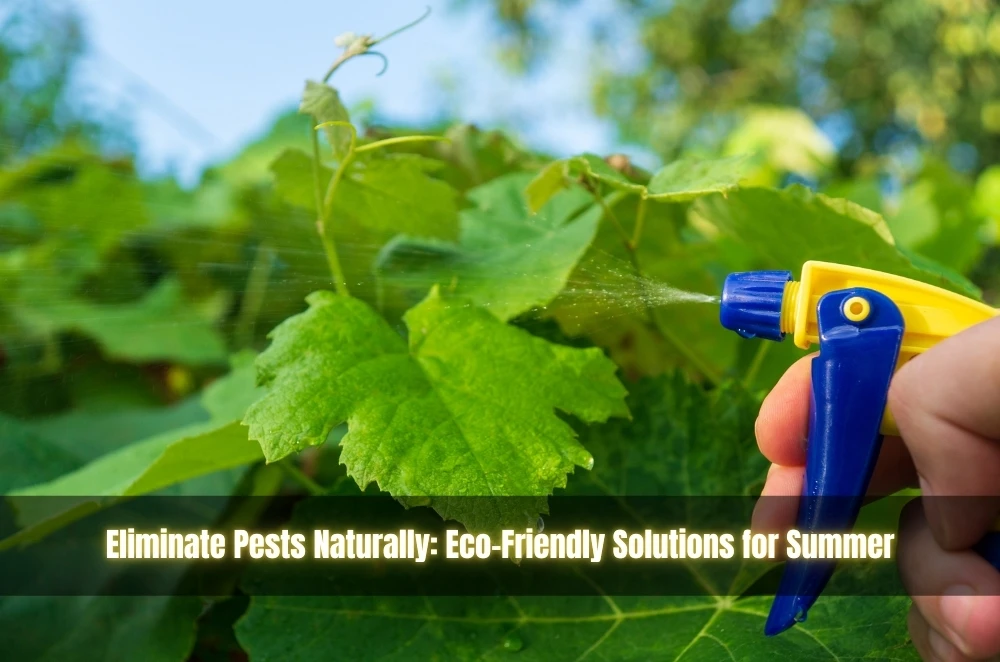
To minimise the impact on beneficial insects and the environment, consider using organic pest control methods:
- Insecticidal soap: This type of soap solution is helpful in managing soft-bodied insects such as aphids and mealybugs in the agricultural industry.
- Neem oil: Derived from the neem tree, neem oil is a versatile pesticide that can control a wide range of pests.
- Diatomaceous earth: This natural, powdered substance can dehydrate and kill insects, including ants, beetles, and caterpillars.
By understanding the common plant pests and diseases in Sydney and adopting organic pest control methods, you can protect your garden and promote a healthy ecosystem.
Conclusion
As you would have understood by now, all it takes is some extra effort to ensure that your garden in Sydney is as healthy as ever, regardless of the heat it experiences during summer. Knowing the local climate, selecting the plants, using proper watering methods, and managing pests in your garden will be remarkable.
Note that gardening is a process, a journey that continues once you have completed all the arrangements. Try out different plants and working methodologies and explore different designs to decide what works best. Do not hesitate to consult with the owners of show gardens, other people who have been gardening for some time, or with the local horticulture society.
When you write about your gardening experiences and what you have learned about gardening to other gardening enthusiasts, you help or motivate them. Whatever the format, it can be discussion boards, blogs, Facebook, or local gardening societies. Getting to know people is often worth the effort.
Therefore, Cultivating our gardens and spreading information is a must to make Sydney even greener and prettier. Happy gardening!





























Sign in to leave a comment.