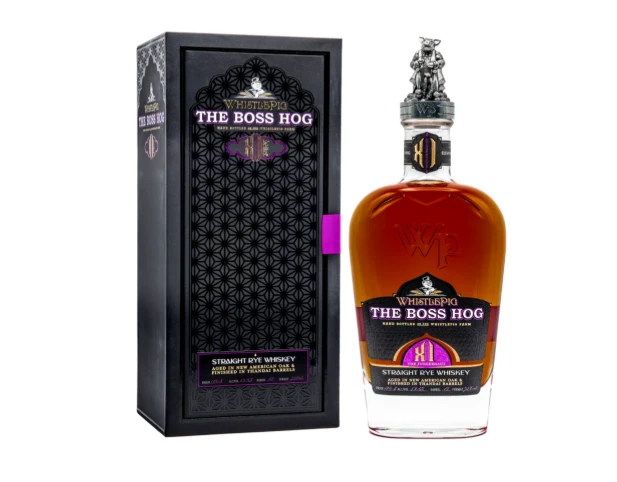

Across the United States, a quiet yet powerful revival is reshaping local economies through the resurgence of traditional distilling. Once overshadowed by other spirits, rye whiskey is experiencing renewed demand among consumers, collectors, and craft enthusiasts. This resurgence is not merely a cultural trend—it’s an economic force that generates employment, stimulates tourism, and supports agriculture. Distilleries large and small are reaping financial rewards from this growing interest, proving that a historic spirit can also drive modern economic expansion. Therefore, exploring the multifaceted impact of rye production reveals how heritage and innovation converge to build sustainable regional prosperity.
Rebuilding Regional Economies Through Distillation
The rise of rye whiskey has revitalized once-dormant distilling towns, breathing life into rural economies that rely heavily on agriculture and small business operations. The cultivation of grain supports farmers, while new and revived distilleries create skilled jobs in production, marketing, and logistics. Many states with historic ties to rye, such as Kentucky, Pennsylvania, and Maryland, are witnessing an economic transformation as distilleries become cornerstones of local commerce. This revival encourages a symbiotic relationship between agriculture and manufacturing, ensuring stable demand for rye crops while fostering a profitable supply chain that benefits entire communities.
Expanding Agribusiness and Supply Networks
Farmers are among the key beneficiaries of the resurgence in rye whiskey production. As distilleries expand capacity, they require high-quality locally sourced grain to maintain authenticity and flavor consistency. This increased demand provides growers with steady income, encouraging them to diversify beyond traditional crops such as corn and wheat. The ripple effect extends to transportation and storage providers, creating a broader ecosystem of economic activity. By promoting regional sourcing and reducing dependency on imports, distilleries strengthen local economies and support sustainable farming practices that keep profits within their own regions.
Tourism and Cultural Branding Opportunities
The popularity of rye whiskey has transformed distilleries into cultural destinations. Visitors seek immersive experiences such as guided tastings, production tours, and heritage storytelling, creating a significant sub-sector of tourism revenue. Regions that were once overlooked are now attracting thousands of visitors annually, stimulating nearby hotels, restaurants, and retail businesses. This blend of heritage and modern hospitality enhances regional branding, giving local economies an authentic identity tied to craftsmanship and tradition. Tourism boards and state initiatives often collaborate with distilleries to develop trails and events that amplify these economic benefits while celebrating local history.
Innovation, Exports, and Market Expansion
Technological innovation has played a vital role in modern rye whiskey production. Distilleries are adopting advanced aging techniques, data-driven quality control, and eco-friendly processes to scale efficiently without compromising quality. These improvements not only attract a younger consumer base but also open new export markets eager for authentic American spirits. The international recognition of rye-based liquors has contributed significantly to the U.S. export economy, adding millions of dollars in annual trade revenue.
Sustainability and Long-Term Economic Value
Beyond immediate financial returns, the revival of rye whiskey supports broader sustainability goals. Many producers are investing in renewable energy, water conservation, and waste reduction technologies to align with evolving environmental standards. Such initiatives reduce operational costs while enhancing brand reputation. The industry’s commitment to eco-conscious production fosters long-term resilience, attracting investors who value both profitability and responsibility.
Conclusion
The resurgence of rye production proves that tradition and innovation can coexist to create real, measurable economic value. From supporting farmers and small businesses to driving tourism and international trade, the benefits extend far beyond the glass. As communities continue to embrace this renaissance, distilleries are shaping a resilient economic ecosystem built on craftsmanship, sustainability, and authenticity. In an evolving spirits market that values both heritage and quality, the growing appreciation for single-barrel bourbon whiskey further complements this resurgence, reinforcing the lasting economic impact of American distilling excellence.





























Sign in to leave a comment.