




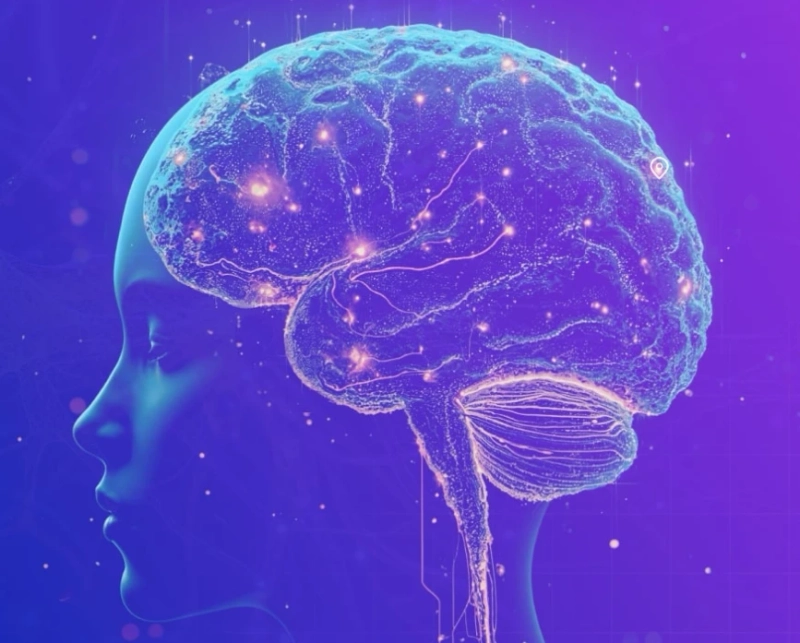
Neurocare is on the brink of a major transformation, and 2025 promises to be a pivotal year for American neuro primary care. With rapid advancements in medical research and technology and a growing emphasis on mental health, the role of neuro-primary care is evolving into a more integrated, patient-centric approach. This shift holds the potential to revolutionize how we understand and treat brain health, from neurodegenerative diseases to mental health issues. Here’s a closer look at the future of neuroprimary care in the United States.
A Focus on Preventative Care
In 2025, one of the key areas of development in neuroprimary care will be an increased emphasis on prevention. Traditionally, neurocare has been reactive, addressing problems as they arise. However, with an expanding focus on early detection and preventative strategies, primary care providers will play a significant role in identifying early signs of neurodegenerative diseases, such as Alzheimer's and Parkinson's, and mental health disorders, including anxiety and depression.
Advanced screening tools powered by artificial intelligence (AI) and machine learning will allow doctors to predict and diagnose these conditions before they reach more severe stages. This will improve patient outcomes and reduce healthcare costs by minimizing the need for extensive treatments and hospitalizations.
Integration of Technology in NeuroCare
We expect a surge in technological innovation in neuro primary care by 2025. Telemedicine, virtual consultations, and AI-powered diagnostics will become standard practices. Patients with neurological conditions can access expert care remotely, allowing for more frequent check-ins, continuous monitoring, and faster interventions.
AI will also help clinicians analyze vast amounts of patient data—such as brain scans, genetic information, and lifestyle factors—to develop more personalized treatment plans. This shift toward precision medicine will enable providers to offer tailored interventions that address each patient's unique needs, optimizing treatment outcomes.
Collaborative Care Models
A major trend in 2025 will be the rise of collaborative care models that bring together neuro specialists, primary care physicians, mental health professionals, and other healthcare providers. This holistic approach will ensure that patients receive comprehensive care that addresses both the physical and psychological aspects of their conditions. Mental health, in particular, will be integrated more into primary care settings, reflecting a broader understanding of how brain health is closely linked to emotional and mental well-being.
With mental health conditions on the rise, especially among younger generations, integrating psychological services into primary care settings will reduce the stigma associated with seeking help and provide easier access to care. By fostering a multidisciplinary approach, patients can expect more seamless and efficient care across various stages of their treatment.
Training the Next Generation of Neuro Primary Care Providers
The increasing complexity of neuro conditions will require a new generation of healthcare providers who are not only experts in neurology but also equipped with the skills to collaborate across disciplines. In 2025, medical schools and healthcare institutions will be placing a greater emphasis on neuro primary care training, focusing on improving skills related to mental health, early diagnosis, and personalized treatment.
This training will ensure that healthcare providers can meet the demands of an aging population and manage a growing array of neuro-related conditions effectively. This will also foster a more compassionate and patient-focused approach to care, ensuring that individuals receive the best treatment for their brain and mental health.
Conclusion
The future of American neuro primary care in 2025 is bright, with exciting innovations on the horizon. From prevention to advanced technology and collaborative care models, the landscape of brain health is profoundly transforming. As we look ahead, it is clear that integrating these changes will significantly improve the quality of life for individuals facing neurological and mental health challenges. As a society, embracing these developments will help pave the way for a healthier, more informed future in neuro care.