




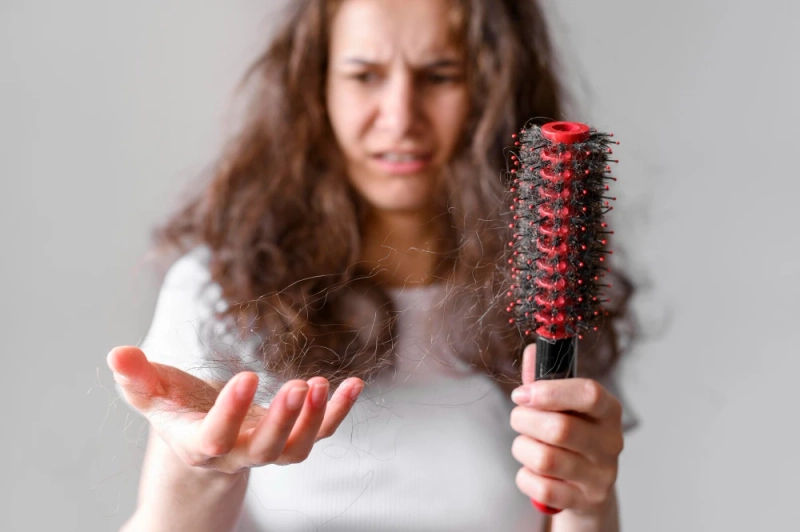
Genetic hair loss, also known as androgenetic alopecia, is one of the most common causes of thinning hair in both men and women. At the root of this condition is a hormone called dihydrotestosterone (DHT), which gradually weakens hair follicles and shortens the hair growth cycle. Two widely used medical treatments—Finasteride and Dutasteride—work by reducing the impact of DHT, but they do so in different ways.
Understanding how these medications differ can help individuals make informed decisions about long-term hair loss management.
How Finasteride Works
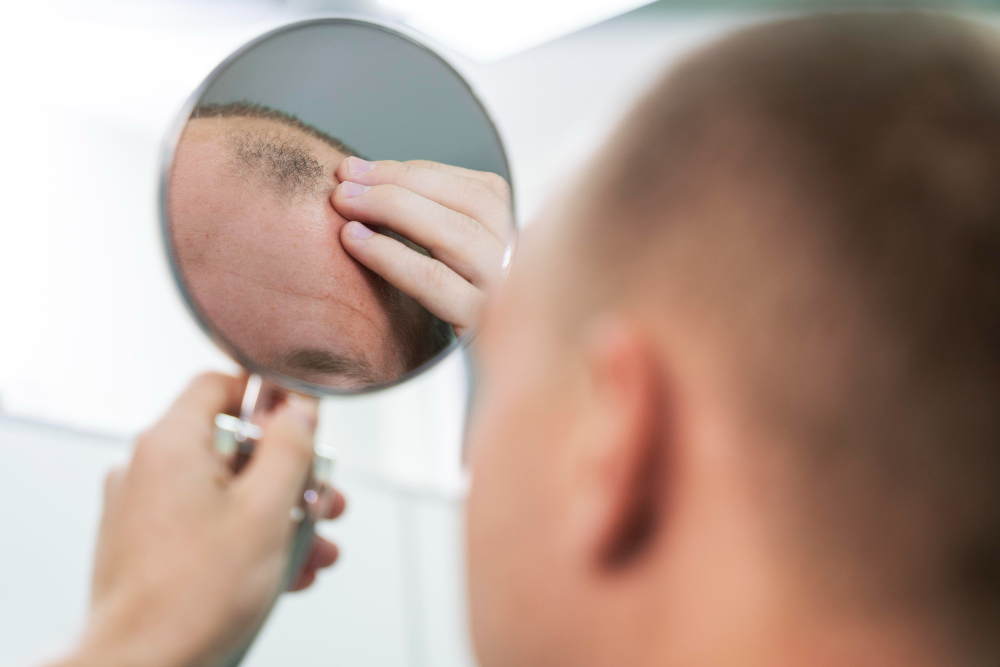
Finasteride is a well-established medication that works by blocking Type II 5-alpha reductase, the enzyme responsible for converting testosterone into DHT. By lowering DHT levels, it helps slow hair thinning and preserve existing hair.
It is commonly prescribed for hair loss affecting the crown and mid-scalp area and is approved for this purpose in many countries. Finasteride is often chosen as a first-line treatment due to its long history of clinical use and predictable response in many patients.
How Dutasteride Is Different
Dutasteride works differently than Finasteride. It stops both types of 5-alpha reductase enzymes, which means it reduces the hormone DHT more effectively over the whole scalp. This makes Dutasteride stronger than Finasteride. However, it’s often used in ways not officially approved for treating hair loss. Doctors usually give it to people who don’t get good results from Finasteride or who have more serious hair loss.
Effectiveness Across the Scalp
One key difference between the two medications lies in their overall coverage. Finasteride primarily benefits certain scalp regions, while Dutasteride offers more uniform DHT control. This distinction has made Dutasteride a topic of discussion in academic and clinical forums, including research shared within the hair research society, where hormone-driven follicle miniaturization is a major focus.

Addressing Concerns About Side Effects
A common worry about these medications is that they might cause sexual side effects. Although these effects are rare, doctors often talk about them openly to help patients feel more confident in their choices. Many healthcare providers now focus on customizing doses, keeping a close watch on patients, and encouraging healthy lifestyle habits to lower risks while still getting the benefits of treatment.It's important to have proper education and support, as misunderstandings can lead people to stop their treatment too soon.
The Role of AI-Based Hair Analysis
In recent years, digital health tools have transformed hair loss treatment. AI-powered hair analysis systems can assess scalp condition, hair density, and progression patterns with precision. Based on this data, personalized medical kits and treatment plans are created to match individual needs rather than using a one-size-fits-all approach.
This personalized model aligns closely with advancements promoted by the regenerative medicine association, where data-driven care and long-term follicle preservation are central goals.
Long-Term Management, Not Quick Fixes
Finasteride and Dutasteride are medications that you take over a long time. To be effective, you need to use them regularly, have your doctor monitor your progress, and understand that results can take time. If you want to see your hair grow back, you must keep using the treatments consistently instead of just trying them for a short period.
Conclusion
Finasteride and Dutasteride are powerful tools in the fight against genetic hair loss, each with its own strengths and considerations. Choosing the right option depends on individual hair loss patterns, response to treatment, and professional evaluation.
With the support of modern diagnostics, ongoing research, and personalized care approaches, managing genetic hair loss today is more precise and effective than ever before.