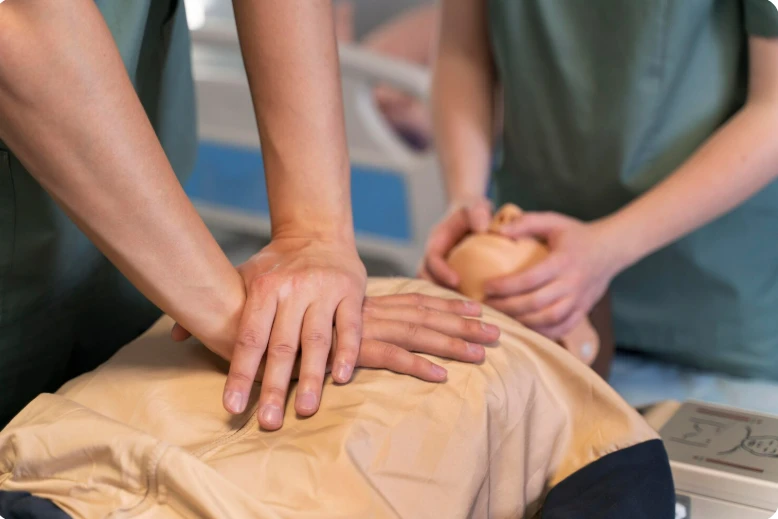

Providing immediate care during an emergency can be the difference between life and death. Mastering first aid and CPR equips individuals, workplaces, and communities with the skills to respond confidently when every second counts. This comprehensive guide explores the essentials every beginner should know, from core principles and required procedures to practical tips that improve readiness in real-world scenarios.
Understanding the Importance of First Aid & CPR Training
Accidents, sudden illnesses, and medical emergencies occur without warning. Whether it’s a burn, a fall, a cardiac arrest, or an allergic reaction, the actions taken in the first few minutes significantly influence recovery outcomes. First aid and CPR training empowers people with the ability to stabilise a situation until professional help arrives. These skills reduce the severity of injuries, prevent complications, and in many cases, save lives.
First aid and CPR training also carry immense value in workplaces, schools, public venues, and within families. Being prepared ensures a safer environment for everyone and fosters a culture of responsibility and proactive care.
Core Elements Covered in First Aid & CPR Courses
Comprehensive first aid and CPR programs are designed to teach participants how to recognise, assess, and respond to emergency situations. Beginners learn how to:
- Identify life-threatening conditions quickly
- Provide CPR in accordance with proven guidelines
- Use an Automated External Defibrillator (AED)
- Control bleeding and manage wounds
- Assist victims experiencing respiratory issues
- Respond to burns, fractures, and medical emergencies
- Ensure safety for themselves and others at the scene
These foundational skills equip learners to act rapidly with clarity and confidence.
Why Training Matters: Real-World Scenarios Where Skills Count
In many cases, an emergency happens outside a hospital or clinic. Family members, co-workers, or bystanders are typically the first to witness an incident. That’s why training is essential: the person closest to the victim becomes the first responder. Courses not only teach what to do, they also address how to remain calm, evaluate the environment, and provide effective support until medical professionals arrive.
Knowing how to assist with choking, severe bleeding, shock, or cardiac arrest can be life-saving. For those living in metropolitan areas, enrolling in a reputable first aid and CPR course in Sydney ensures access to high-quality, nationally accredited training aligned with Australia’s emergency care standards.
Key First Aid Skills Every Beginner Should Learn
1. Assessing the Situation Safely
Safety is the first priority in any emergency. Learners are trained to evaluate danger, protect themselves, and avoid unnecessary risks. The ability to quickly assess hazards helps prevent further injuries.
2. The DRSABCD Action Plan
This core framework guides beginners through essential steps:
D – Danger: Check for risks
R – Response: Check if the person is conscious
S – Send for Help: Call emergency services
A – Airway: Open and check the airway
B – Breathing: Look, listen, and feel for breathing
C – CPR: Begin chest compressions and rescue breaths
D – Defibrillation: Apply an AED if available
This system ensures no critical step is missed.
3. Effective CPR Techniques
High-quality CPR is the cornerstone of emergency response. Beginners learn:
- Correct hand placement
- Depth and rate of compressions
- How to deliver rescue breaths
- Techniques for adults, children, and infants
The goal is to maintain blood flow to vital organs until advanced medical assistance takes over.
4. Using an AED
Modern AEDs are simple to use. Training teaches participants how to:
- Identify when an AED is required
- Apply the pads correctly
- Follow automated instructions safely
- AEDs significantly increase survival chances in cardiac arrest.
5. Wound Care and Bleeding Control
Learners understand how to apply pressure, dress wounds, and manage severe or uncontrolled bleeding. Quick intervention reduces the risk of shock and further complications.
6. Managing Burns and Scalds
Training includes first aid for thermal, chemical, and electrical burns. Participants learn cooling methods, what not to apply, and how to prevent infection.
7. Assisting with Medical Emergencies
Beginners are taught to recognise and respond to:
- Asthma attacks
- Anaphylaxis
- Diabetic emergencies
- Seizures
- Heat exhaustion and hypothermia
This knowledge supports routine readiness for a broad range of situations.
Benefits of Completing First Aid & CPR Training
Increased Confidence
Training builds the assurance needed to step forward and help when others may hesitate.
Compliance With Workplace Safety Standards
Many Australian workplaces require staff to maintain first aid certification to meet WHS regulations.
Faster Response Times
Trained individuals act quickly and accurately, reducing the time before essential care begins.
Better Outcomes for Victims
Immediate first aid greatly improves survival and recovery rates in nearly all emergency situations.
How Often Should First Aid & CPR Skills Be Updated?
Guidelines for CPR and first aid evolve as new medical research emerges. In Australia, it is recommended to renew CPR training every 12 months and complete a full first aid refresher every three years. This ensures your skills remain effective and up to date.
Choosing the Right First Aid & CPR Course
When selecting a training provider, ensure the course is:
- Nationally accredited
- Delivered by qualified instructors
- Practical, hands-on, and scenario-based
- Fully compliant with Australian Resuscitation Council (ARC) guidelines
- Suited to your occupation or personal needs
The best programs include real-life simulations, high-quality equipment, and clear assessment methods.
Building a Safer Community Through Training
Every trained individual adds a valuable layer of safety to their community. Whether at home, in a workplace, or public setting, emergency readiness is a shared responsibility. When more people learn first aid and CPR, lives are saved, injuries are minimised, and Australia becomes a safer place for everyone.


























Sign in to leave a comment.