




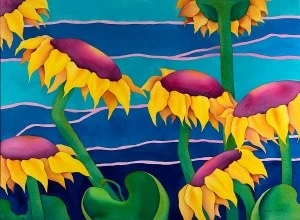
Watercolor painting, with its mesmerizing fluidity, ethereal transparency, and vibrant color blends, has enchanted art lovers for a long time. Its unique ability to capture light and emotion most delicately makes it one of the most cherished forms of artistic expression. The interplay of pigments and water creates a subtle yet captivating depth, drawing viewers in with each stroke.
Here, we invite you to embark on a journey through the fascinating creation of watercolor art—from the artist’s first thoughtful brushstroke to the final piece that adorns homes, galleries, and exhibitions. Discover the intricate techniques that bring these paintings to life. From bold, dramatic landscapes to soft, intricate portraits, watercolor art transcends the ordinary, offering an ever-evolving dialogue between artist and viewer beautifully.
Understanding the Medium: What is Watercolor?
Watercolor painting involves pigments mixed with water and applied to paper to create vibrant, translucent images. Unlike oil or acrylic paints, watercolors are diluted with water to make a thinner, more delicate layer of color. Artists often use wet-on-wet or wet-on-dry techniques to blend colors and achieve soft transitions, giving watercolor paintings their signature fluidity.
The simplicity of watercolor as a medium can be deceptive. Although the materials themselves—water, pigments, and paper—are straightforward, the technique requires mastery and patience. Each brushstroke must be intentional, as watercolors have a mind of their own. Artists must understand how the paint will behave, where it will spread, and how it will dry, making the creation of original watercolor paintings both challenging and advantageous.
The History of Watercolor Art
Watercolor painting’s origins trace back to the dawn of civilization, with early echoes found in ancient cave paintings and Egyptian tomb art. Yet, it wasn’t until the Renaissance that watercolor truly blossomed as a fine art medium. Visionaries like Albrecht Dürer and Leonardo da Vinci experimented with watercolor sketches, laying the foundation for the medium’s evolution.
Over centuries, watercolor found its purpose in botanical illustrations, architectural designs, and scientific drawings. Its portability made it a favorite of traveling artists, allowing them to capture fleeting moments with ease. By the 18th century, the medium gained profound recognition, with legends like J.M.W. Turner and John Singer Sargent pushing watercolor’s boundaries, adding depth and emotion like never before.
Today, original watercolor paintings continue to enchant with their grace, lightness, and unparalleled ability to evoke mood and atmosphere. Whether gracing private collections or public galleries, they stand as timeless treasures—capturing the world’s fleeting beauty in a way no other medium can.
The Process of Creating Original Watercolor Paintings
Creating an original watercolor painting involves multiple stages, each contributing to the final piece's vibrancy and beauty. While each artist may have their process, the general steps are as follows:
1. Preparation and Planning
The first step is the planning phase, which involves choosing the subject, sketching out the design, and determining the color palette. Many artists begin with a pencil sketch to outline the composition, but this step is often minimal in watercolor, as the medium itself can shape the final image.
Some artists may use masking fluid to protect areas of the paper that they want to keep white or free from paint.
2. Layering and Painting
The core of any watercolor painting is the layering process. Artists begin by applying light washes of color, gradually building up layers to create depth and richness. This requires patience and a good understanding of how water and pigment interact. Some artists use the wet-on-wet technique, which involves applying wet paint to a damp surface, allowing colors to flow and blend in unpredictable ways. Others may use the wet-on-dry technique, where wet paint is applied to dry paper, resulting in sharper lines and more controlled effects.
3. Drying and Adjusting
Watercolor paintings often require multiple drying phases. Since the paint dries quickly, artists can manipulate the layers and add further details once the previous layers have dried. This is crucial for achieving depth and dimension, as well as adding texture to the painting.
Adjustments can be made as the painting develops. Artists may add more paint to deepen shadows or lighten areas for highlights. They might also use specialized brushes, sponges, or even salt to create unique textures that add visual interest.
4. Finishing Touches
Once the central painting is complete, the final step is to apply the finishing touches. These can include delicate details, such as tiny brushstrokes for highlights or adding contrasting colors to create focal points. For some, this stage involves adding intricate details with a fine-tipped brush, while others may choose to keep the painting soft and loose.
The completed painting is often left to dry for several hours, ensuring that all layers are fully set. Depending on the artist’s style, the work may be framed, matted, and displayed as part of an exhibition or gallery.
Why Original Watercolor Paintings Are Highly Valued?
There’s something inherently captivating about original watercolor paintings that makes them stand out from other forms of art. Below are some of the reasons why they remain so sought after:
1. Uniqueness
Unlike digital reproductions or prints, each original watercolor painting is unique. The subtle nuances in the blending of colors, the texture of the paper, and the artist's distinctive brushwork make every watercolor a one-of-a-kind masterpiece. This uniqueness is highly prized by collectors and art enthusiasts who appreciate owning something that cannot be replicated.
2. Light and Atmosphere
Watercolor paintings are renowned for their ability to capture light and atmosphere. The transparent quality of the medium allows light to pass through layers of paint, creating a luminous, ethereal effect. This ability to evoke emotion and capture fleeting moments is why watercolors are so often used to depict landscapes, skies, and natural scenes.
3. Timeless Beauty
Watercolor paintings have an enduring appeal. Their delicate nature makes them timeless, and they fit well in both modern and traditional interiors. Whether it’s a vibrant floral scene or a serene landscape, an original watercolor painting can effortlessly add character and beauty to any room.
4. Investment Potential
Original watercolor paintings are also seen as an investment. As the art world continues to evolve, many watercolor paintings by renowned artists increase in value over time. Collectors often see these pieces as valuable assets that can be appreciated in worth, making them a smart choice for both art lovers and investors alike.
The Art of Collecting Original Watercolor Paintings
For those interested in collecting original watercolor paintings, it’s essential to understand the artist's process, the authenticity of the work, and the value it holds in the art market. Researching the artist’s background, style, and reputation can help in making informed purchasing decisions. Additionally, purchasing from reputable galleries or auction houses ensures the authenticity of the artwork.
Collecting original watercolor paintings is not only about acquiring valuable pieces—it’s about enjoying the intimate connection that comes with owning an original work of art. Each brushstroke tells a story, and each piece becomes a conversation starter and a cherished part of one’s collection.
Conclusion: A Celebration of Watercolor Art
Original watercolor paintings are more than just artwork—they are windows into the artist’s vision, filled with emotion and light. The creation of these pieces is a delicate balance between control and unpredictability, resulting in stunning works that captivate and inspire. Whether you're an artist, collector, or simply an admirer of fine art, original watercolors offer a unique and timeless appeal.
If you're ready to explore the world of watercolor art and perhaps start your collection, don’t miss the opportunity to invest in these one-of-a-kind masterpieces. Discover the beauty of original watercolor paintings and bring a touch of elegance to your space today!