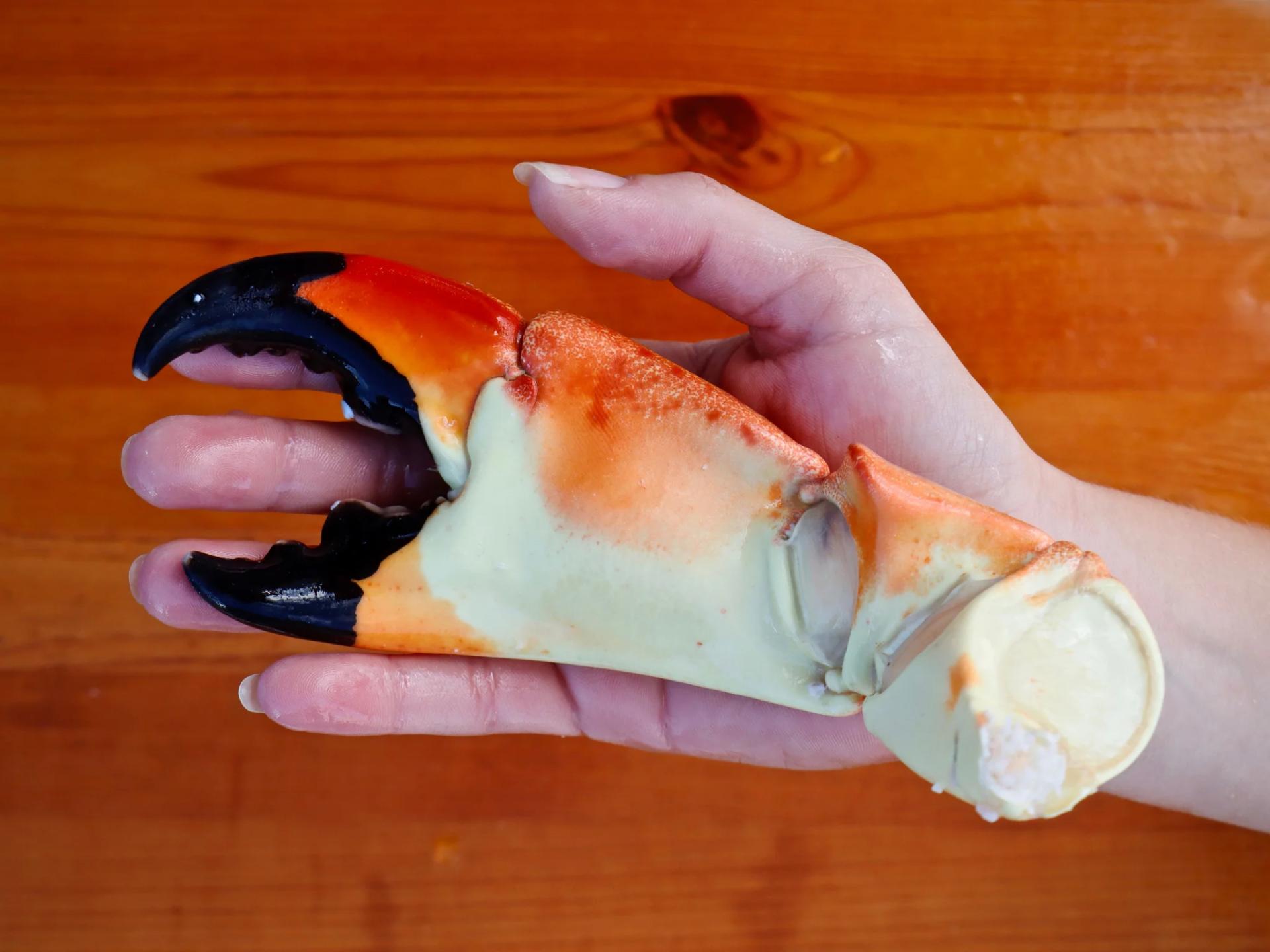

There’s something almost poetic about the stone crab a creature as rugged as the Florida coast it calls home, yet yielding one of the most delicate, sweet, and sought-after delicacies in American seafood. At restaurants like Stone Crab, this journey from ocean to plate isn’t just about freshness; it’s a story of sustainability, tradition, and meticulous care. For those who savor every bite of premium stone crab, understanding where it comes from deepens the experience. Let’s follow the claw.
The Harvest: Respect for the Sea
The story begins in the shallow, rocky waters off Florida’s Gulf and Atlantic coasts, where stone crabs (primarily Menippe mercenaria) thrive among oyster beds and seagrass. Unlike other crustaceans, stone crabs are never killed for their meat. Instead, licensed fishermen carefully remove one claw, a practice rooted in both regulation and respect.
Florida law mandates that only claws measuring at least 2¾ inches (from the tip to the first joint) can be harvested, and the crab must be returned alive to the water. Remarkably, stone crabs can regenerate their claws over time, often within a year, making this one of the most sustainable seafood practices in the world.
This ethical approach ensures that today’s harvest doesn’t compromise tomorrow’s supply. It’s why every order of fresh stone crab claw you enjoy supports a centuries-old balance between human appetite and marine stewardship.
Speed Is Everything: From Trap to Ice
Once harvested, time becomes the critical factor. Stone crabs are highly perishable, and flavor degrades rapidly if not handled properly. Within hours of being pulled from the water, claws are:
- Rinsed in seawater
- Graded by size (jumbo, large, medium, or colossal)
- Immediately chilled on ice
Many boats dock directly at processing facilities or trusted suppliers who work with top-tier restaurants. At Stone Crab, relationships with local fishers mean claws often arrive at the kitchen within 24 hours of harvest, sometimes the same day.
This lightning-fast chain is what separates truly fresh stone crab claws from frozen or previously stored alternatives. You can taste the difference: firm texture, clean ocean aroma, and a natural sweetness that needs little more than a dip in mustard sauce.
The Kitchen: Minimalism Honors the Ingredient
At a restaurant dedicated to seafood excellence, stone crab is never masked. There’s no batter, no heavy sauce, just a quick boil in salted water (often seasoned with bay leaf or Old Bay), followed by an ice bath to stop cooking and preserve tenderness.
The result? Cracked claws served chilled or warm, revealing snow-white meat that pulls away cleanly from the shell. This simplicity is intentional: when you’re serving premium stone crab, the ingredient itself is the star.
Chefs at establishments like Stone Crab treat each claw with reverence, checking for cracks, ensuring proper portioning, and presenting it with house-made mustard dipping sauce, lemon wedges, and perhaps a side of crisp coleslaw or grilled corn. Nothing distracts; everything enhances.
Why Premium Matters
Not all stone crab is created equal. “Premium” refers not just to size, but to:
- Harvest timing (claws taken during peak season: October 15 to May 15)
- Handling standards (never frozen, never thawed)
- Source integrity (wild-caught, Florida-certified, sustainably harvested)
Frozen claws may be cheaper, but they lose moisture, texture, and flavor. True fresh stone crab claw should glisten, snap cleanly when cracked, and melt subtly on the tongue, not taste watery or fibrous.
Restaurants that prioritize quality, like Stone Cra,b refuse to serve anything less. That commitment is why guests return season after season, knowing they’ll experience stone crab the way nature and tradition intended.
A Tradition Worth Protecting
Stone crab isn’t just a menu item; it’s a Florida legacy. Indigenous peoples harvested it long before European arrival, and commercial fishing began in the early 1900s. Today, strict quotas and seasonal closures protect the population, ensuring future generations can enjoy this unique treasure.
By choosing a restaurant that sources responsibly and serves premium stone crab, you’re not just treating your palate; you’re supporting an ecosystem, a coastal economy, and a culinary heritage.
Savor the Journey
Next time you crack open a jumbo claw at sunset, remember the miles it traveled: from sun-dappled seabed to skilled fisher’s hand, icy transport, careful kitchen prep, and finally, your table. It’s a journey defined by respect for the sea, the species, and the diner.





























Sign in to leave a comment.