
Cramps that knock you out for a day. Bloating that won’t go away. Heavy periods that feel anything but normal. If you’ve been quietly battling these symptoms, wondering if it’s all in your head, it’s not.
Many women live for years with discomfort, fatigue, or fertility issues, only to later discover that a bulky uterus is at the root of it all.
It sounds intimidating, but it is far more common and more manageable than most people realize. Whether caused by fibroids, adenomyosis, or hormonal changes, it’s a condition that can affect your quality of life, fertility, and emotional well-being.
But here’s the good news: there are both natural and medical ways to manage a bulky uterus, reduce pain, regulate periods, and improve your chances of conceiving. We spoke with the best ivf doctor in noida and leading gynecologists to help you understand what’s going on, and how to take back control of your body.
Let’s start with the basics.
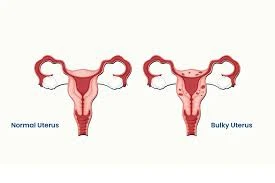
What Is a Bulky Uterus?
It means your uterus is enlarged beyond the normal size. For most women, a healthy uterus is about the size of a pear, roughly 7.5 cm in length. Anything significantly larger may be considered bulky, especially if symptoms are present.
Common Causes:
- Uterine fibroids (noncancerous growths)
- Adenomyosis (uterine lining grows into the muscle wall)
- Hormonal imbalances
- Perimenopause or estrogen dominance
- Previous pregnancies
While it’s often discovered during an ultrasound for unrelated issues, many women seek answers after facing chronic pelvic pain, prolonged periods, or difficulty conceiving.
Real Talk: What Does It Feel Like?
Women with a bulky uterus often describe:
- Intense menstrual cramps
- Pain during intercourse
- Heavy or prolonged bleeding
- Pressure or fullness in the abdomen
- Constipation or urinary issues
- Difficulty getting pregnant
If this sounds familiar, it’s time to seek professional guidance,not just to relieve discomfort, but to preserve your fertility and health.
Natural Remedies That Help
While not all bulky uterus cases can be treated naturally alone, these methods can help reduce symptoms and improve overall uterine health:
1. Anti-Inflammatory Diet
Cut back on processed foods, dairy, red meat, and sugar. Focus on:
- Leafy greens
- Berries
- Omega-3-rich foods (like flaxseed, walnuts, and salmon)
- Turmeric and ginger (natural anti-inflammatories)
2. Exercise and Yoga
Regular movement supports hormone balance, improves blood circulation, and reduces pelvic congestion. Yoga poses like Supta Baddha Konasana and Malasana help relax uterine muscles and reduce cramping.
3. Herbal Support
With your doctor’s guidance, herbs like ashwagandha, dong quai, and vitex can support hormonal health.
4. Stress Management
Chronic stress = hormone disruption. Practices like journaling, acupuncture, and deep-breathing techniques help your body stay in balance.
Important: These remedies won’t “shrink” a bulky uterus but can reduce inflammation and support a more regular menstrual cycle.
Medical Treatments for a Bulky Uterus
When symptoms are severe or if you’re trying to conceive, it’s important to explore medical options with a specialist.
According to the best ivf doctor in noida, treatments vary depending on your age, symptoms, and fertility goals.
1. Hormonal Medications
Birth control pills, IUDs, or hormone therapy can help regulate your cycle and reduce heavy bleeding caused by fibroids or adenomyosis.
2. Minimally Invasive Surgery
- Laparoscopy: Used to remove fibroids or endometrial tissue.
- Hysteroscopy: Accesses the uterus via the cervix to remove polyps or fibroids.
These options are uterus-preserving, making them ideal for women who still want to conceive.
3. Hysterectomy (Last Resort)
In extreme cases where symptoms are debilitating and family planning is complete, a hysterectomy (removal of the uterus) may be recommended. This is rarely the first choice and is only considered after exhausting other options.
The Fertility Angle: How It Affects Conception
A bulky uterus can make getting pregnant harder, especially if:
- Fibroids block the fallopian tubes or distort the uterine lining
- Implantation fails due to a thin or unresponsive lining
- Hormonal imbalances delay ovulation
This is why fertility specialists often recommend a full uterine assessment before starting IVF or IUI treatments.
The best IVF doctor in Noida emphasizes that women with a bulky uterus can, and do, conceive successfully with the right treatment plan. Sometimes it’s as simple as removing fibroids or using hormonal support. In other cases, advanced reproductive techniques like embryo transfer or donor programs may be required.
When to See a Doctor
Book an appointment if you’re experiencing:
- Heavy periods lasting more than 7 days
- Severe cramps that interfere with daily life
- Unexplained bloating or pressure
- Infertility after 6–12 months of trying
Don’t self-diagnose. A pelvic ultrasound, hormone panel, and evaluation by a trusted gynecologist or fertility expert will provide the clarity you need.
Final Thoughts: You’re Not Alone, And There Are Solutions
A bulky uterus can feel overwhelming, especially when it impacts your fertility or day-to-day comfort. But you don’t have to suffer in silence or assume the worst.
Whether you’re just starting to investigate your symptoms or already seeking fertility support, know this: relief is possible, and your options are real.
The key is working with compassionate, evidence-based care, like the support offered by the best IVF doctor in Noida, to create a plan that fits your body, goals, and life.
Start by asking questions. Track your symptoms. Get evaluated. And remember, you’re not broken. You just need a path forward that’s as strong and unique as you are.
FAQs
Q1: Can a uterus that is bulky go away on its own?
In some mild cases, yes, especially after menopause. But most women need active management to control symptoms and improve fertility.
Q2: Can I get pregnant with a bulky uterus?
Yes. Many women conceive naturally or with IVF after proper evaluation and treatment. Consult the best IVF doctor in Noida for personalized options.
Q3: Is surgery always required for a uterus that is bulky?
No. Many cases are managed with hormonal therapy, lifestyle changes, or non-surgical procedures.
Q4: Does a uterus that is bulky cause infertility?
It can, especially if fibroids or hormonal imbalances are involved. But with treatment, your chances of conception can significantly improve.
Q5: How is a bulky uterus diagnosed?
It’s typically diagnosed through a pelvic ultrasound, often followed by hormonal tests or hysteroscopy to understand the cause.


















Sign in to leave a comment.