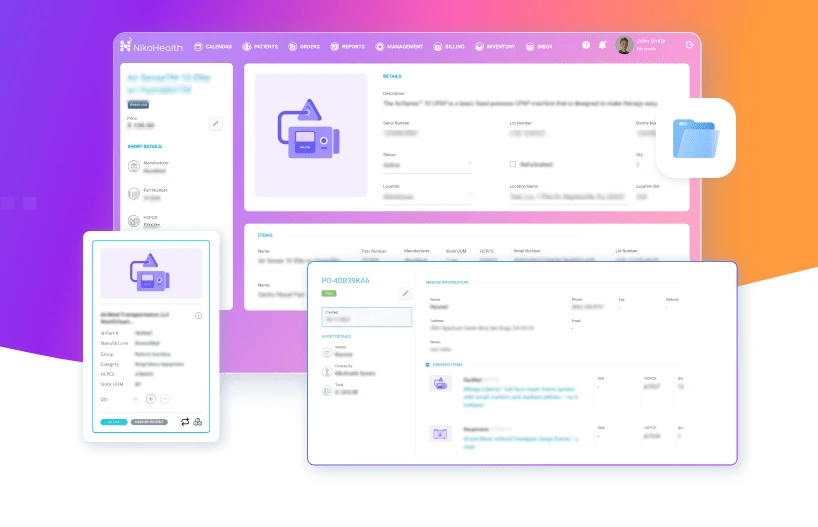

In today’s fast-paced healthcare environment, efficiency, accuracy, and accessibility of patient information are paramount. Durable Medical Equipment (DME) providers face unique challenges in managing extensive documentation, ranging from prescriptions and insurance authorizations to delivery confirmations and equipment maintenance records. Traditionally, much of this process has relied on paper-based systems, which are not only time-consuming but prone to errors, misplacement, and compliance issues. The transition to digital systems is no longer optional—it is essential. In this article, we explore the transformation from paper to digital in the context of dme document management, highlighting the benefits, challenges, and strategies for a successful transition.
The Challenges of Paper-Based DME Document Management
Paper-based document management in DME operations presents several limitations that can hinder efficiency and patient care:
- High Risk of Errors and Loss: Physical files are susceptible to damage, misplacement, or loss. Missing documentation can delay equipment delivery, reimbursement, and patient care.
- Time-Consuming Processes: Searching for patient records, insurance documents, and authorization forms requires manual effort, which slows down operations and reduces staff productivity.
- Compliance Issues: DME providers must comply with strict healthcare regulations such as HIPAA in the U.S., which require secure storage and proper handling of patient information. Paper systems make audits more difficult and increase the risk of non-compliance.
- Limited Accessibility: Physical files are confined to specific locations. Staff members and authorized personnel must be on-site to access records, which limits flexibility, especially in multi-location operations.
- Cost Implications: Maintaining paper files involves costs for storage space, filing supplies, and staff labor. Additionally, mistakes in paper-based systems can lead to financial losses due to denied insurance claims or delayed reimbursements.
The cumulative effect of these challenges is a fragmented, inefficient workflow that can negatively impact both patient experience and the financial performance of DME providers.
The Case for Digital Transformation
Digital transformation in DME document management is more than a trend—it is a critical operational upgrade. By moving from paper to digital systems, DME providers can achieve several tangible benefits:
1. Improved Efficiency and Productivity
Digital systems streamline document storage, retrieval, and sharing. Staff can access patient records, insurance information, and delivery confirmations with a few clicks. Automated workflows reduce manual tasks such as filing, scanning, or emailing documents. This frees up staff time to focus on higher-value activities, such as patient care and customer service.
2. Enhanced Accuracy and Error Reduction
Digitizing documents minimizes the risk of errors associated with manual data entry and physical file handling. Optical Character Recognition (OCR) and intelligent data extraction technologies can automatically capture key information from prescriptions, insurance forms, and physician orders. This ensures accurate records, faster approvals, and fewer claim denials.
3. Compliance and Security
Digital document management systems come equipped with features that ensure compliance with healthcare regulations. Access controls, audit trails, and encryption protect sensitive patient information. Electronic records make it easier to prepare for audits and respond to regulatory inquiries, reducing the risk of penalties.
4. Remote Accessibility
Cloud-based digital systems allow authorized staff to access documents from anywhere, at any time. For DME providers operating across multiple locations, this capability enhances coordination and ensures that patient care and equipment delivery are never delayed due to missing documents.
5. Cost Savings
By reducing paper usage, storage needs, and labor-intensive filing processes, digital document management reduces operational costs. Additionally, fewer errors and faster claims processing directly improve cash flow and profitability.
Key Features of Effective DME Document Management Systems
When transitioning to digital, selecting the right document management system is crucial. A robust dme document management platform should include:
- Centralized Document Storage: A single, secure repository for all patient-related documentation, including prescriptions, insurance authorizations, delivery confirmations, and maintenance logs.
- Automated Workflows: Tools to automate approvals, notifications, and document routing, reducing manual effort and turnaround times.
- Search and Retrieval: Advanced search capabilities, including OCR and metadata tagging, to quickly locate documents.
- Regulatory Compliance: Features to support HIPAA and other relevant regulations, including access logs, encryption, and audit-ready reporting.
- Integration Capabilities: Seamless integration with electronic health record (EHR) systems, billing software, and CRM tools to ensure smooth operations across all departments.
- User-Friendly Interface: An intuitive interface that requires minimal training and reduces resistance to adoption among staff.
Steps to Successfully Transition from Paper to Digital
Implementing digital dme document management requires careful planning and execution. Here are the critical steps:
1. Conduct a Document Audit
Assess the current paper-based system and identify all documents that need digitization. Categorize documents based on their importance, frequency of use, and regulatory requirements.
2. Select the Right Technology
Choose a document management system that meets the needs of your organization. Consider factors such as cloud vs. on-premise storage, scalability, integration capabilities, security features, and cost.
3. Digitize Existing Documents
Scan and convert paper documents into digital formats. Employ OCR technology to make documents searchable and accessible. Establish naming conventions and metadata standards to maintain organization.
4. Train Staff and Establish New Workflows
Staff must understand how to use the new system effectively. Conduct training sessions and provide documentation on new processes. Redesign workflows to leverage automation features, ensuring maximum efficiency.
5. Implement Security and Compliance Measures
Set access permissions, enable encryption, and establish audit trails. Regularly review compliance policies and ensure that all staff adhere to security protocols.
6. Monitor, Evaluate, and Optimize
Track key performance indicators (KPIs) such as document retrieval time, error rates, and claim processing speed. Use this data to refine workflows, optimize the system, and achieve continuous improvement.
Overcoming Common Challenges
Transitioning to a digital system is not without obstacles. Common challenges include:
- Resistance to Change: Staff accustomed to paper systems may be hesitant to adopt new technology. Address this through training, clear communication, and demonstrating the benefits of digital workflows.
- Data Migration Issues: Converting large volumes of paper documents to digital formats can be time-consuming and error-prone. Planning, batch processing, and quality checks can mitigate risks.
- Integration with Existing Systems: Ensuring compatibility with current EHR, billing, and CRM systems is crucial to avoid workflow disruption. Thorough testing and vendor support are essential.
Real-World Impact: Case Studies
Several DME providers have already reaped the benefits of transitioning to digital document management:
- Faster Claims Processing: Providers using digital systems report significantly reduced insurance claim turnaround times. Automated document verification ensures fewer denials and quicker reimbursements.
- Improved Patient Experience: With immediate access to patient records, delivery schedules, and equipment maintenance logs, staff can provide faster, more accurate service.
- Enhanced Compliance: Digital systems simplify HIPAA audits by providing instant access to secure, organized records, reducing stress and administrative overhead.
The Future of DME Document Management
As healthcare continues to embrace digital transformation, DME providers can expect further advancements in document management:
- Artificial Intelligence and Machine Learning: AI-driven systems will automatically categorize documents, flag inconsistencies, and predict workflow bottlenecks.
- Blockchain for Security: Blockchain technology could provide tamper-proof, verifiable records, enhancing trust and compliance.
- Mobile Access and Telehealth Integration: Mobile-enabled document management will support on-the-go staff and align with telehealth trends, ensuring that equipment and services reach patients faster.
Conclusion
The shift from paper-based processes to digital dme document management is no longer optional for durable medical equipment providers. Digital systems offer substantial benefits, including enhanced efficiency, accuracy, compliance, and cost savings. By carefully planning the transition, selecting the right technology, training staff, and continuously optimizing workflows, DME providers can improve operational performance, enhance patient care, and position themselves for future growth.
Investing in digital document management is not just a technological upgrade—it is a strategic move that strengthens the foundation of DME operations for years to come. The future of healthcare logistics and patient care depends on embracing the digital revolution, leaving behind paper-based inefficiencies and moving toward smarter, faster, and more reliable solutions.























Sign in to leave a comment.