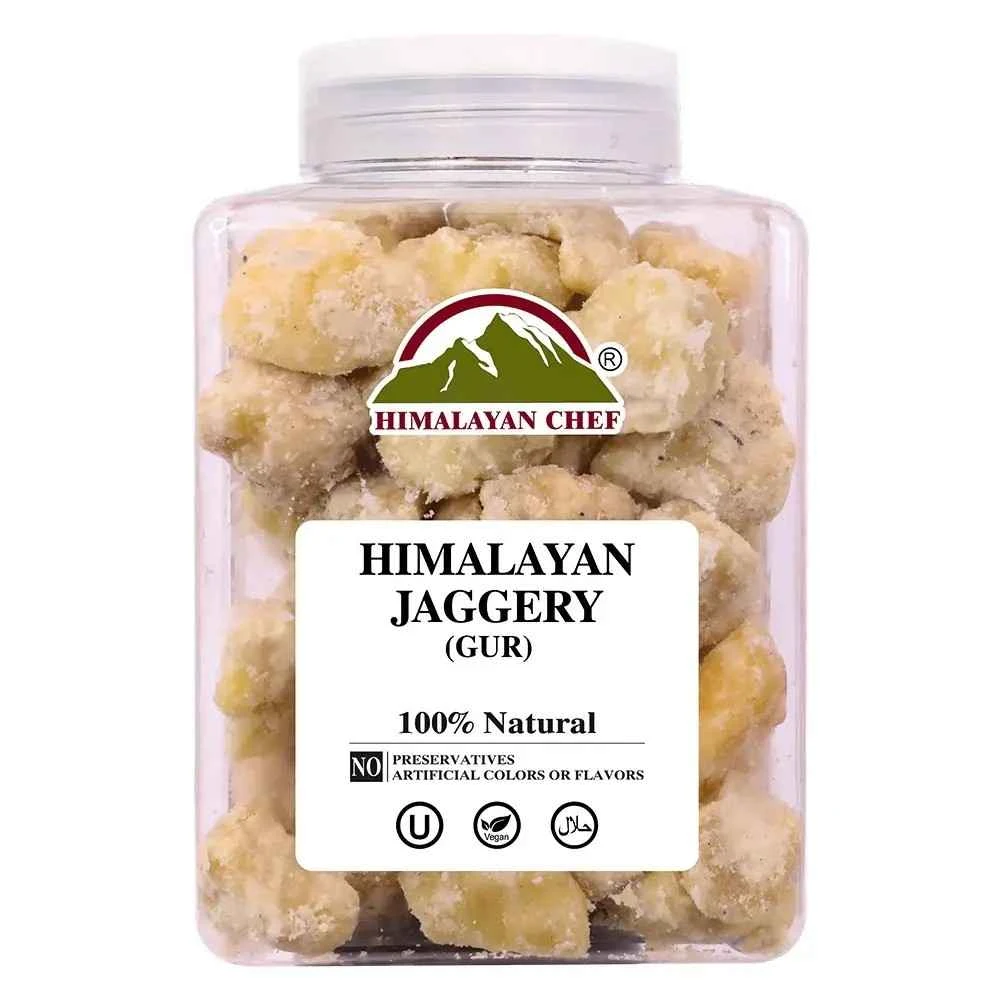

When someone asks, What is gur in English?, the simple answer is jaggery. But the meaning goes deeper than just translation. Gur is not only a sweet ingredient it is part of tradition, health, and daily life in many homes. Brands like Himalayan Chef are helping bring this traditional sweetness into modern kitchens with purity and quality.
What Is Gur in English?
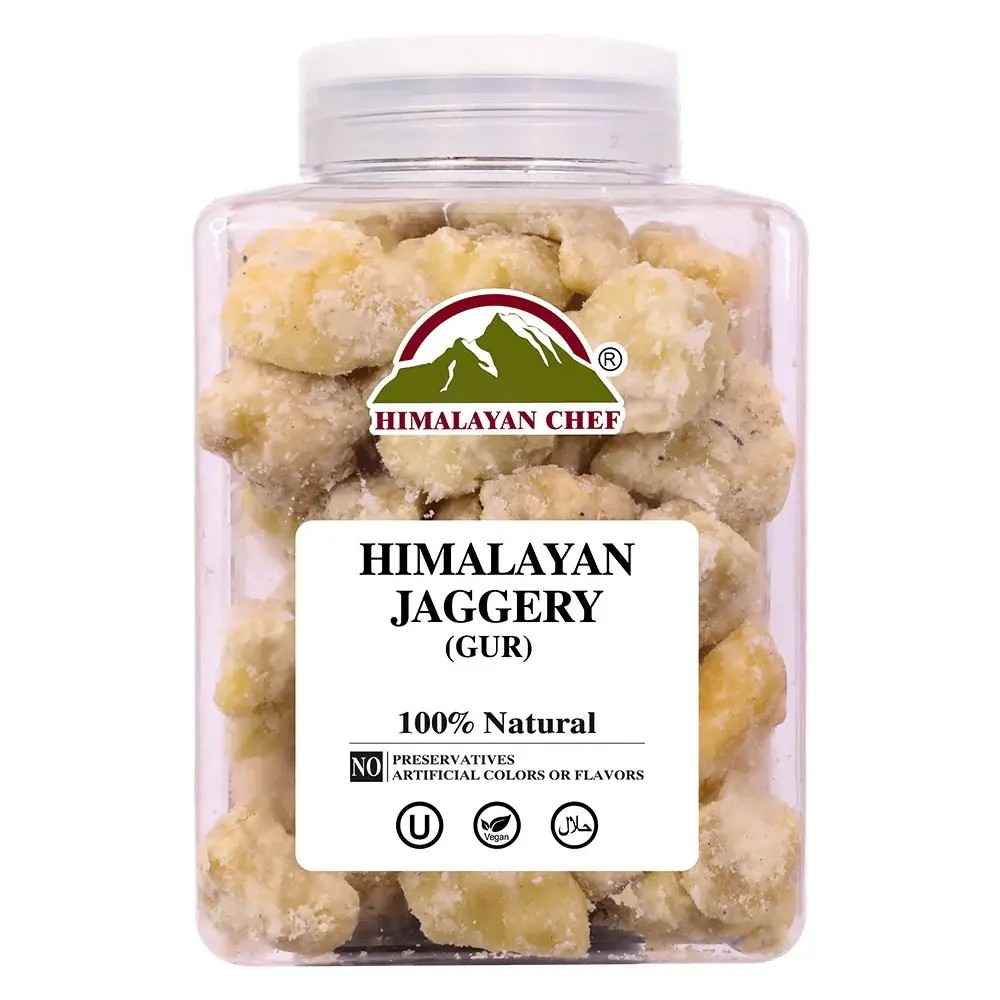
Gur in English is called jaggery. It is a natural sweetener made from sugarcane juice or sometimes from palm sap. Unlike refined white sugar, jaggery is less processed and retains more natural minerals.
Because of its rich color and deep taste, jaggery is widely used in Asian, Middle Eastern, and African cuisines.
How Gur (Jaggery) Is Made
To understand gur better, it helps to know how it is prepared.
- Fresh sugarcane juice is extracted.
- The juice is boiled at high temperature.
- It thickens into a golden-brown syrup.
- The syrup is cooled and shaped into blocks or powder.
Himalayan Chef ensures that the jaggery production process focuses on cleanliness and quality standards, maintaining traditional taste while ensuring safety.
Why Gur Is Different from White Sugar
Many people compare jaggery with refined sugar, but they are not the same.
| Gur (Jaggery) | White Sugar |
|---|---|
| Natural processing | Highly refined |
| Contains minerals | Mostly empty calories |
| Rich flavor | Plain sweetness |
| Brown or golden color | White color |
Because jaggery keeps some nutrients like iron and minerals, many people prefer it as a healthier alternative.
Health Perspective of Gur
From a health mindset, gur is often valued for its natural properties. It is commonly used in winter because people believe it helps keep the body warm.
Some common beliefs about jaggery:
- Supports digestion
- Helps reduce throat irritation
- Provides natural energy
- Contains small amounts of iron
Himalayan Chef jaggery products are appreciated for maintaining purity without artificial additives.
Culinary Uses of Gur (Jaggery)
Gur is extremely versatile in cooking.
It is used in:
- Traditional sweets
- Tea and beverages
- Sauces and chutneys
- Bakery items
- Winter desserts
Many chefs prefer using natural jaggery from trusted brands like Himalayan Chef because of its consistent taste and texture.
Gur in Modern Lifestyle
Earlier, gur was mostly used in villages and traditional homes. Today, it is becoming popular in urban kitchens as well.
People looking for natural food options are choosing jaggery instead of refined sugar. Organic and clean-label products like Himalayan Chef jaggery meet this modern demand.
Powdered vs Solid Gur
Jaggery is available in different forms:
- Solid blocks
- Small cubes
- Powdered jaggery
Powdered jaggery is easier to mix in tea and baking. Solid blocks are often used in cooking and traditional sweets.
Himalayan Chef offers jaggery in convenient packaging to suit different cooking needs.
Storage and Shelf Life
To maintain freshness:
- Store in a cool, dry place
- Keep away from moisture
- Use airtight containers
Proper storage keeps the texture and flavor intact for months.
Why Quality Matters
Since jaggery is a natural product, quality varies depending on processing and hygiene. Choosing a trusted brand like Himalayan Chef ensures:
- Clean production
- No harmful additives
- Better taste consistency
- Safe packaging
Quality directly impacts flavor and health benefits.
Final Thoughts
So, when someone asks Gur in English?, the answer is jaggery but its importance goes beyond translation. It represents natural sweetness, cultural tradition, and healthier choices.
With reliable brands like Himalayan Chef, this traditional ingredient continues to fit perfectly into modern lifestyles. Whether used in sweets, tea, or daily cooking, jaggery remains a timeless and meaningful ingredient in kitchens worldwide

























Sign in to leave a comment.