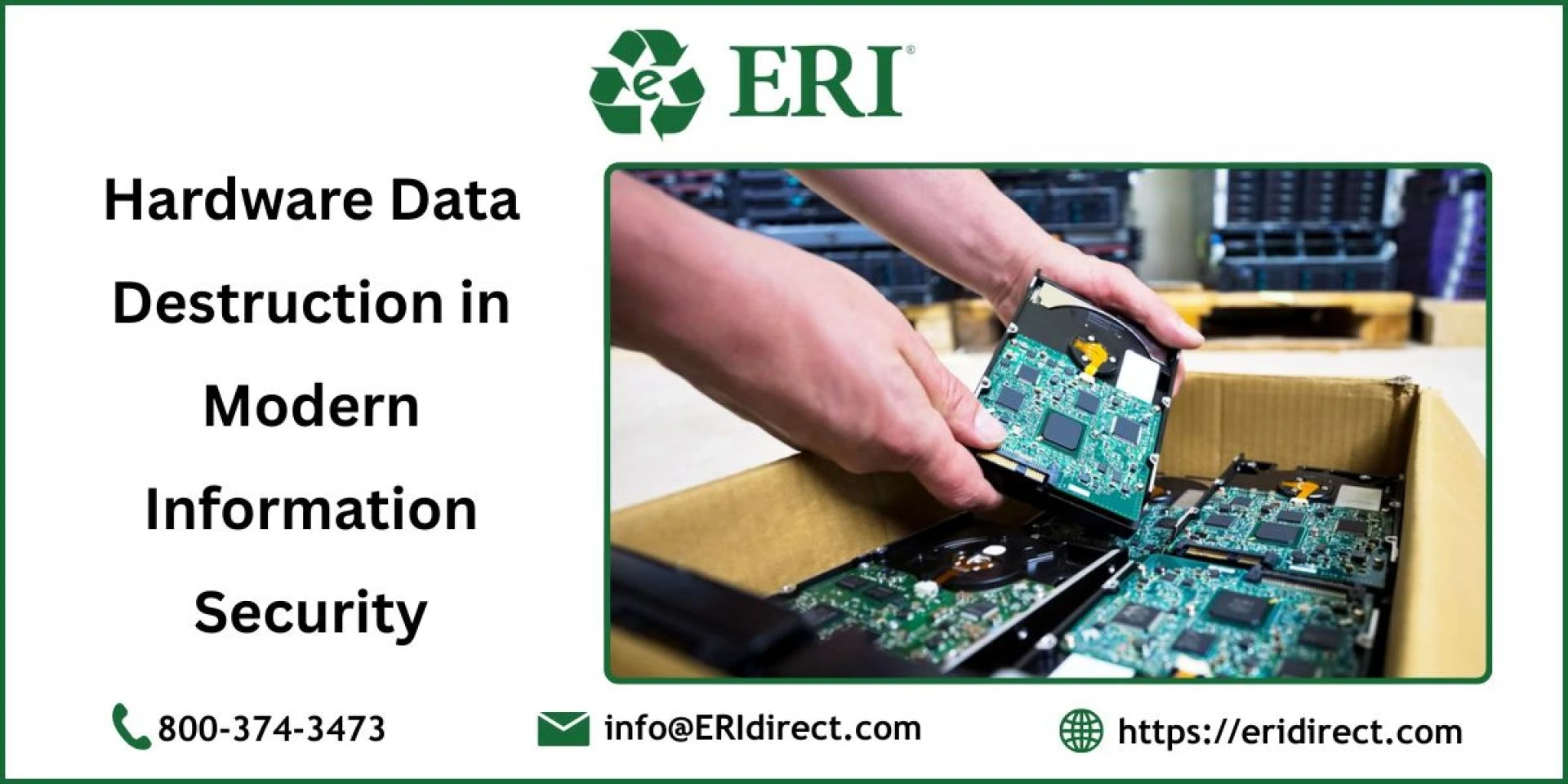
Most data breaches don’t come from hackers breaking in. They come from old equipment that never really left. A retired hard drive. A decommissioned server. Some assume a laptop sitting in storage to be harmless. This is why hardware data destruction has become a core part of modern information security, not as a technical upgrade, but as a necessary end to the data lifecycle. As organizations grow more digital, the question is no longer how data is protected while in use. It’s what happens after that use is over.
Why old hardware still carries real risk
People easily think of data as something that disappears when they turn off devices. In reality, it lingers.
Data stays behind even when systems shut down
Hard drives and storage media don’t erase themselves. Files can remain recoverable long after devices are no longer operational. Even damaged equipment can contain readable fragments.
This is why hard drive destruction is treated differently from simple deletion. Deleting files removes access, not the data itself.
Compliance doesn’t stop at retirement
Data protection and privacy requirements govern many industries. These rules don’t end when hardware is retired. Improper disposal can create compliance issues years later.
Organizations often discover this risk during audits, when documentation matters more than assumptions.
How hardware data destruction actually works
Secure destruction follows a deliberate process designed to remove data permanently.
Physical destruction eliminates recovery
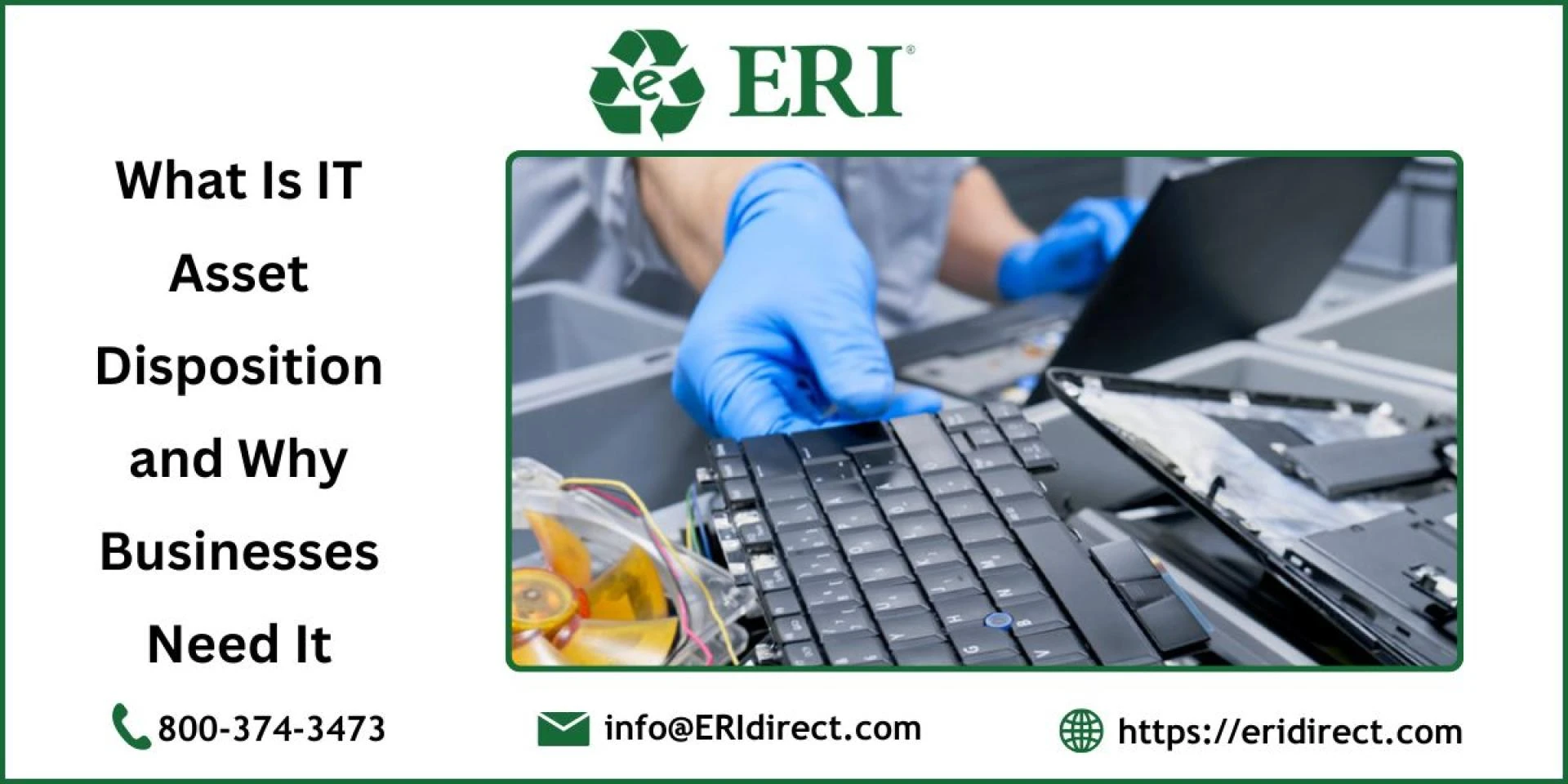
The most reliable method of data destruction is physical. Experts shred and crush the first drives until there is no chance of recovery.
This process is based on the concept of data sanitization, which refers to permanently removing data from storage media. A general explanation of this term is available on Wikipedia:
Physical destruction ensures that data cannot be reconstructed, even with advanced tools.
Verification and documentation matter
Secure processes include certificates of destruction and detailed tracking. These records provide proof that data was handled properly, not just discarded.
In modern information security, documentation is as important as the destruction itself.
The connection between security and e-waste recycling
Data security and sustainability are no longer separate conversations.
Secure destruction comes before recycling
Before devices can be reused or recycled, storage components must be destroyed or removed. This allows the remaining materials to enter the recycling stream safely.
This is where e-waste data destruction fits into broader e-waste recycling practices. They give priority to information protection, and recycling protects the environment.
Responsible recycling reduces long-term liability
Once we eliminate data risks, we can dismantle electronics responsibly. We recover metals. We handle hazardous materials properly. Devices stay out of landfills.
This approach supports both environmental responsibility and risk management.
Why modern organizations prioritize physical destruction
Software-based solutions have limits.
Deletion and wiping have gaps
Damaged drives, incorrect encryption, or improper wiping can cause even advanced wiping tools to fail. Physical destruction removes uncertainty.
For organizations managing sensitive or regulated data, certainty matters more than convenience.
Scale increases exposure
As device volumes grow, so does risk. Data centers, healthcare systems, and financial institutions handle thousands of drives over time. One missed device can create serious consequences.
This is why many organizations work with specialists like ERI, which focus on secure destruction integrated with compliant recycling processes.
How hardware data destruction supports long-term security
Security isn’t just about preventing access. It’s about closing loops.
End-of-life planning reduces blind spots
When organizations plan hardware retirement alongside data destruction, fewer devices fall through the cracks.
Organizations that treat destruction as a standard step rather than an afterthought tend to experience fewer incidents.
Quiet prevention matters most
Successful data destruction doesn’t draw attention. No breach and no investigation. There will be no recovery effort.
That absence of events is the real outcome.
Common questions about hardware data destruction
Is deleting files enough before recycling electronics?
No. Deleted files can often be recovered. Physical destruction is the safest option.
Can hardware be recycled after destruction?
Yes. Once you destroy the storage media, you can recycle the remaining components safely.
Is hardware data destruction only for large organizations?
No. Small and mid-sized organizations face the same data risks, just at a smaller scale.
How is destruction verified?
Through certificates, serial tracking, and documented processes.
Why this process matters more than it seems
Hardware data destruction rarely feels urgent. It happens quietly, at the end of a device’s life. But its impact lasts far longer. When done properly, it protects customers, employees, and organizations from risks that don’t show up until it’s too late. It also allows people to recycle electronics responsibly, without carrying hidden threats forward. In modern information security, protection doesn’t end when systems shut down. It ends when data truly disappears. And the organizations that understand this aren’t reacting to risk, they’re quietly preventing it.




















Sign in to leave a comment.