
If you've ever asked, “Do buyers back out after a home inspection?”, you're not alone. This is a critical concern for buyers, sellers, and real estate agents—especially in today's unpredictable housing market.
A home inspection can either confirm a buyer’s confidence or raise serious doubts. For sellers, it's a moment of truth that can make or break a pending deal. Knowing how often buyers cancel contracts after inspection—and why—can help all parties move forward strategically.
🔍 Quick Insights:
- Roughly 10–20% of pending home sales fall through due to inspection results.
- Deals are more likely to collapse in buyer’s markets and with older properties.
- With proactive steps, both parties can reduce the risk of deal cancellation after inspection.
📊 What the Numbers Reveal: Inspection Fallout Rates
Let’s explore the stats:
- Most industry sources report that 10–15% of deals fall apart after inspections.
- According to the National Association of Realtors (NAR), inspection issues account for up to 25% of all canceled transactions.
- Some real estate professionals report even higher fallout rates (up to 20%) in markets where buyers hold more negotiating power.
Bottom Line:
While not every inspection kills a deal, the risk is very real—especially when significant repairs are uncovered.
⚠️ Top Reasons Buyers Cancel After a Home Inspection
1. 🛠️ Major Structural or Safety Defects
Cracked foundations, old roofs, mold, or outdated electrical systems often signal costly repairs—prompting buyers to walk.
2. 💸 Expensive Repair Estimates
Even cosmetic issues can lead to large repair bills. If buyers feel the home isn’t worth the additional cost, they may cancel.
3. 🐜 Health and Environmental Hazards
Concerns like asbestos, radon, lead paint, or termite damage are often immediate deal-breakers—especially for families.
4. ❌ Buyer’s Remorse or Financial Setbacks
Sometimes, it’s not the house—it’s the timing. A tough inspection can trigger second thoughts, or reveal financing limits.
5. 🧱 Poor Renovation Work or Non-Disclosure
Hidden defects or DIY renovations without permits often signal risk. Buyers are more likely to back out if they feel misled.
🏙️ Market Conditions: How They Affect Inspection Fallout
📉 Buyer’s Market (High Inventory, Low Demand)
When options are plentiful, buyers are more likely to walk away or renegotiate aggressively. Fallout rates can reach 20% or more.
📈 Seller’s Market (Low Inventory, High Demand)
In competitive markets, buyers are more inclined to overlook minor problems. Fallout typically stays under 10%.
Understanding your market’s dynamic is crucial when preparing for post-inspection negotiations.
👥 Real-Life Scenarios from the Field
Here’s what buyers and professionals are seeing on the ground:
“Pre-COVID, about 1 in 5 deals fell through after inspection. Now? Almost none.” — Real Estate Agent
“Four offers canceled due to inspections in one month—found mold, outdated wiring, and roof issues.” — Homebuyer
“Some buyers get overwhelmed by the inspection report alone—even if the issues are minor.” — Licensed Inspector
These examples show that even small problems can derail deals—especially if buyers are unprepared or emotionally uncertain.
❓ What Happens When Buyers Cancel After a Home Inspection?
If a buyer exits the deal using their inspection contingency, they typically receive their earnest money back. For the seller, however, it can cause:
- Listing delays
- A drop in buyer interest
- Pressure to lower the asking price or make repairs
This is why many sellers now opt for a pre-listing home inspection—to prevent last-minute surprises and speed up closing.
📉 Repair Requests vs. Price Cuts: What Buyers Negotiate
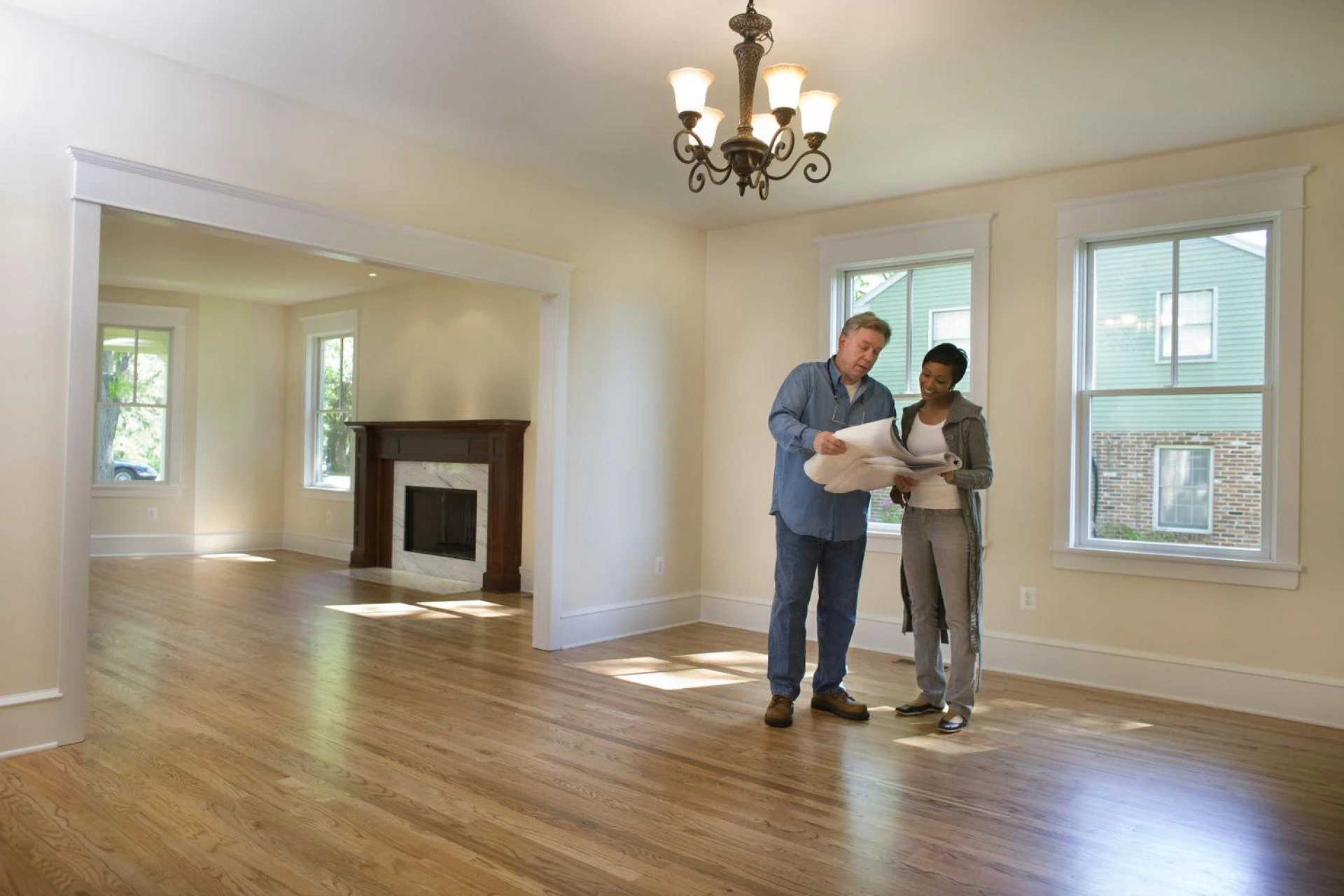
Most home inspections result in negotiation, not cancellation. Here's how it breaks down:
- 62% of sellers end up reducing the sale price post-inspection, with the average reduction near $14,000.
- 20% of buyers request a price drop instead of asking for repairs.
- 40% ask for specific repairs to be completed before closing.
Negotiations typically wrap up within a week—depending on the severity of the issues.
✅ Buyer Tips: How to Avoid Backing Out
If you want to keep your offer strong, here’s what to do:
- Hire a qualified home inspector with experience and clear reporting.
- Focus on major concerns—not cosmetic details.
- Get accurate repair estimates before renegotiating.
- Use your contingency clause wisely—don’t walk unless it’s necessary.
- Revisit the property post-inspection with a contractor if needed.
🛠️ Seller Tips: Reduce the Risk of Inspection Fallout
Sellers can take these steps to ensure deals don’t fall apart:
- Order a pre-listing inspection to identify and fix issues early.
- Disclose known problems before listing to avoid distrust.
- Negotiate wisely—some buyers prefer repair credits over completed work.
- Partner with an experienced agent to handle negotiations.
- Offer flexibility—including small incentives like a home warranty.
📌 Quick FAQ: What Buyers & Sellers Want to Know
Q: How often do buyers back out after a home inspection?
A: Typically 10–20% of deals are canceled due to inspection-related concerns.
Q: Do most inspections end deals?
A: No—most lead to renegotiation, not termination.
Q: Are older homes more likely to cause cancellations?
A: Yes—older homes tend to reveal more issues during inspections.
Q: What are the most common deal-breakers?
A: Major structural flaws, high-cost repairs, mold, and outdated systems top the list.
📚 Real Case Examples
Case 1: Big Repairs = Big Exit
An inspection uncovers foundation damage and roof leaks. Buyer requests a $20K reduction. The seller declines. Deal falls apart.
Case 2: Safety Hazards Found
Old wiring and attic mold lead the buyer to walk immediately after the inspection.
Case 3: Credit Saves the Deal
Inspection shows $9K in repairs needed. Seller offers a $10K credit, and the deal closes without further issues.
🔚 Final Thoughts & Next Steps
Key Takeaways:
- 10–20% of home deals collapse after inspections, primarily due to safety issues or high repair costs.
- Market conditions, home age, and buyer flexibility all influence fallout risk.
- Transparent communication and preparation are key to saving the sale.
Ready to move forward with confidence?
➡️ Buyers: Download our Home Inspection Checklist to spot red flags early.
➡️ Sellers: Book your Pre-Listing Inspection with Protec inspection services to avoid last-minute deal-breakers.
➡️ Agents: Grab our Home Inspection Toolkit to guide your clients through negotiations.























Sign in to leave a comment.