




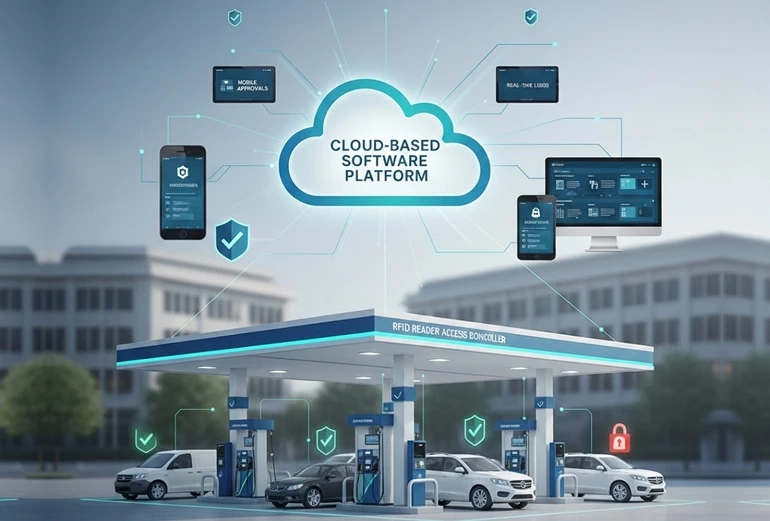
Accurate fuel data is essential for efficient fleet operations, cost control, and reliable reporting. Yet many organizations still rely on manual methods handwritten logs, receipt entries, or delayed uploads to record fuel usage. These conventional practices are prone to errors, omissions, and inconsistencies that distort true fuel consumption figures and undermine decision-making. Capturing fuel data at the source precisely where the fuel is dispensed eliminates these problems by ensuring real-time accuracy, traceability, and accountability. When data is recorded automatically and immediately, errors that once plagued fuel records disappear, enabling fleets to make smarter, data-driven decisions that improve performance and protect budgets.
The Problem With Traditional Fuel Recording Methods
Manual fuel reporting introduces multiple opportunities for error. Drivers or operators may forget to log a refueling event, misread a gauge, enter incorrect quantities, or lose receipts. Transcription mistakes in spreadsheets and logbooks further compound inaccuracies. These errors not only complicate fuel reconciliation but also obscure consumption patterns, making it difficult to identify inefficiencies or detect misuse. Inaccurate data ultimately translates into inaccurate analytics, poor cost forecasting, and misguided operational decisions.
Why Capturing Data at the Source Matters
Capturing fuel data at the very moment and location of fuel dispense ensures that the recorded information reflects reality not a recollection or estimate. At the source, systems can automatically record essential details such as volume dispensed, the identity of the vehicle or asset being fueled, the operator initiating the refuel, the time and date, and potentially even the location where the event occurred. This level of immediacy eradicates the gaps and distortions introduced by delayed or manual entry. Real-time capture also means that data is available instantly for reporting, analysis, and alerts, enabling fleet managers to act quickly on emerging trends or anomalies.
Automated Capture Removes Human Error
Human involvement in data entry almost inevitably leads to inaccuracies. Typographical errors, misunderstood abbreviations, and skipped fields are common when fuel usage is logged manually. Automated data capture solutions ensure that data fields are populated consistently and accurately without relying on human input. Errors that stem from memory lapses or rushed entries are eliminated, raising the overall integrity of fuel data. This accuracy is critical for performance benchmarking, cost analysis, and audit readiness.
Linking Fuel Events to Specific Assets and Users
Another advantage of capturing fuel data at the source is the ability to associate every refueling event with a specific vehicle and authorized user. Modern identification technologies, such as RFID fuel tracking, ensure that the system knows exactly which asset is being fueled and who initiated the transaction. By capturing this context at the source, fleet managers gain meaningful insights into usage patterns, driver behavior, and asset performance. This direct association also strengthens accountability and discourages fuel misuse.
Real-Time Visibility Enables Immediate Action
When fuel data is captured at the source, information flows instantly into centralized dashboards and analytics platforms. Fleet managers no longer need to wait for daily or weekly reports to spot irregularities; they see trends and alerts in real time. If a vehicle’s fuel consumption spikes unexpectedly, managers can investigate immediately rather than discovering the problem weeks later during reconciliation. This immediacy allows for more responsive oversight and the ability to prevent small issues from becoming costly problems.
Improving Compliance and Reporting Confidence
Accurate fuel data is not only vital for internal decision-making but also for compliance with financial audits, regulatory requirements, and internal policies. When data is captured at the point of service, it carries a level of reliability that manual logs cannot match. Detailed, timestamped records simplify reporting and reduce the risk of discrepancies during audits. Fleet managers can demonstrate transparency and precision in fuel records, which enhances credibility with auditors, regulators, and stakeholders.
Supporting Better Budgeting and Forecasting
Fuel costs are a major component of any fleet’s operating budget, and forecasting requires accurate historical data. When fuel usage is subject to error, projections are skewed, leading to budget overruns or overly conservative allocations. Capturing data at the source produces dependable historical records that finance teams can trust. These accurate archives improve cost forecasting, planning for fuel purchases, and identifying long-term trends that suggest opportunities for operational improvements.
Enhancing Integration With Fleet Management Systems
Modern fleet operations rely on integrated systems that connect fuel data with vehicle telematics, maintenance schedules, route optimization tools, and performance dashboards. When fuel data is captured accurately at the source, it can be seamlessly incorporated into these interconnected platforms. This integration enables multifunctional insights for example, correlating fuel consumption with engine performance or driver behavior. Such holistic visibility supports strategic decisions that go beyond simple fuel tracking.
Reducing Administrative Burden and Streamlining Workflows
Manual fuel logs require ongoing review, reconciliation, and correction — tasks that consume valuable administrative time. Capturing fuel data at the source streamlines these workflows by reducing the need for manual data cleanup and verification. Staff can focus on analyzing data and implementing improvements rather than fixing errors or chasing missing entries. The result is a leaner, more efficient operational process that enhances productivity.
Driving Accountability and Operational Discipline
When data capture is automated and tied directly to fueling events, accountability increases naturally. Operators know that every fueling action is recorded accurately and transparently. This visibility tends to encourage adherence to fueling protocols and responsible behavior. Over time, capturing fuel data at the source helps establish a culture of discipline and continuous improvement, where decisions are backed by accurate information rather than estimates or assumptions.
Conclusion: Accuracy Begins at the Point of Fueling
Capturing fuel data at the source is a powerful strategy for eliminating errors, improving efficiency, and strengthening operational performance. By recording information in real time, tying it directly to specific assets and operators, and integrating it with broader fleet systems, organizations gain reliable, actionable insights into fuel usage. This foundation of accuracy supports better decision-making, enhances accountability, simplifies reporting, and drives cost savings. In an environment where fuel costs remain one of the largest operational expenditures, ensuring data integrity at the source is an essential component of modern fleet management success.