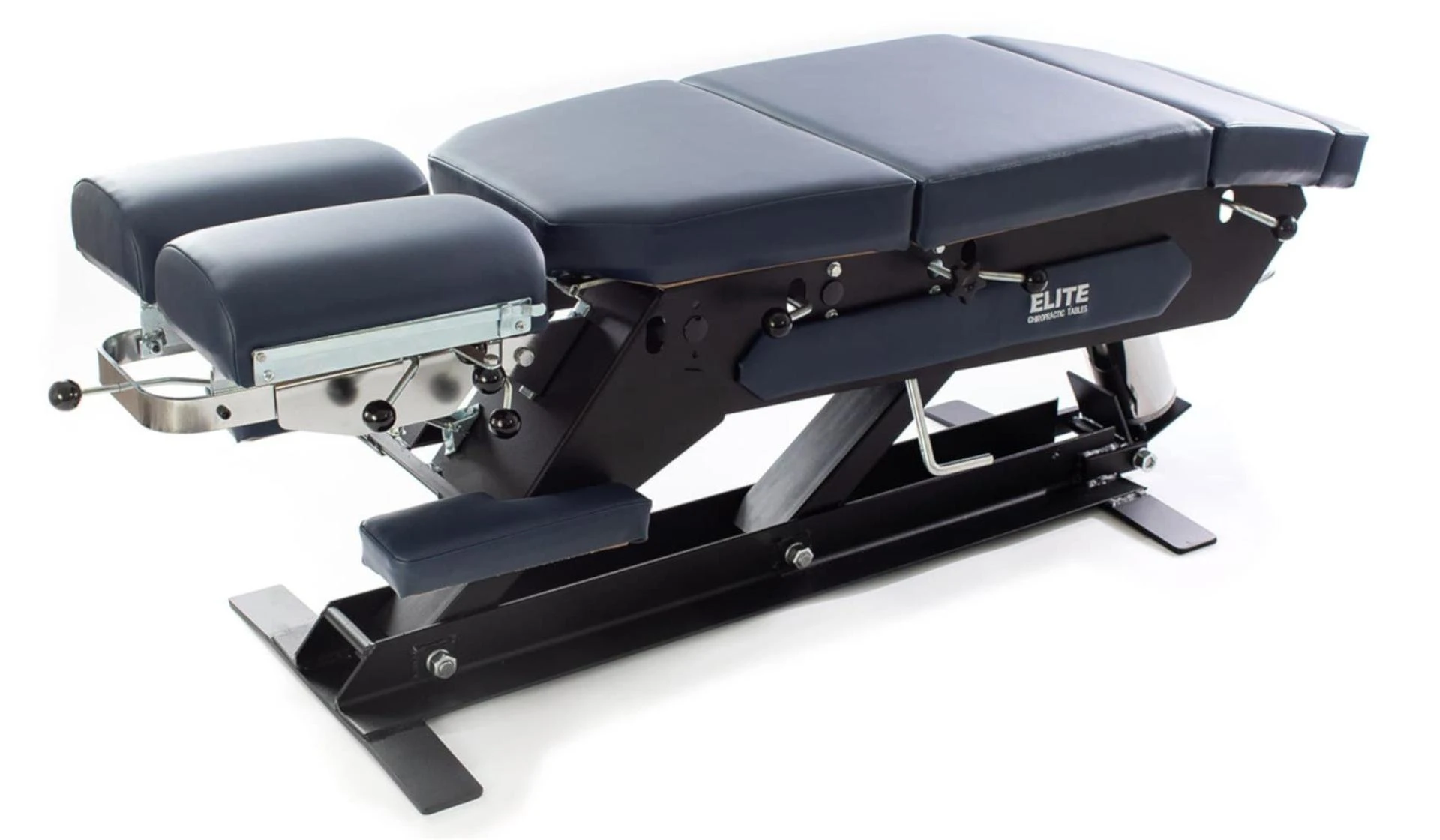

Chiropractic care has evolved significantly over the years, and modern chiropractic equipment plays an essential role in enhancing the quality of patient treatment. Today’s tools are designed with precision, safety, and effectiveness in mind. They help practitioners deliver targeted adjustments, reduce treatment time, and create a more comfortable patient experience. Understanding how chiropractic equipment contributes to improved outcomes allows practitioners to make informed decisions that benefit both their clinical practice and their patients.
The Importance of Chiropractic Equipment in Modern Care
Chiropractors rely on a variety of tools to perform adjustments, support diagnostics, and improve therapeutic results. These tools help streamline treatments while ensuring consistency and accuracy. As technology advances, chiropractic equipment becomes more refined, offering new ways to assess and correct spinal issues with greater efficiency.
Enhancing Precision in Adjustments
Chiropractic adjustments require accuracy to ensure that force is applied correctly and safely. Modern equipment helps practitioners deliver consistent adjustments that target specific joints or spinal segments. By providing stable support and precise control, chiropractic tools minimize the risk of unintended movements.
Improving Patient Comfort
Comfort plays a major role in treatment success. Many patients arrive with pain, limited mobility, or anxiety about their condition. Chiropractic equipment is designed with ergonomic features and supportive cushioning that help patients relax throughout the session. When patients feel at ease, they respond more positively to treatment.
Supporting Practitioner Efficiency
Practitioners benefit from chiropractic tools that reduce physical strain and make treatments smoother. Adjustable tables, lightweight instruments, and automated features allow chiropractors to work more comfortably for longer periods. This enables consistent, high quality care for every patient.
Types of Chiropractic Equipment and Their Impact
Chiropractic equipment can be grouped into categories based on function. Each type contributes to patient outcomes in different ways.
Chiropractic Tables and Treatment Surfaces
Chiropractic tables are the foundation of many treatments. They support the patient’s body and allow the chiropractor to perform adjustments efficiently.
Elevation Tables for Ergonomic Treatment
Elevation tables allow height adjustments that make it easier for practitioners to position patients correctly. This reduces strain and allows more precise control during adjustments.
Drop Tables for Targeted Adjustments
Drop tables include sections that release slightly and assist with controlled force application. This technique helps reduce manual effort while delivering efficient and targeted adjustments.
Flexion Distraction Tables for Spinal Mobility
Flexion distraction tables gently mobilize the spine through controlled movements. This helps decompress spinal structures and reduces pressure on discs. They are especially effective for patients dealing with lower back pain or disc related conditions.
Stationary and Portable Tables for Flexible Care
Stationary tables offer stability for traditional techniques, while portable tables support mobile or community based chiropractic services. Both types enhance treatment accessibility and consistency.
Chiropractic Adjusting Instruments
Chiropractic adjusting instruments deliver gentle, controlled impulses that assist in spinal alignment.
Providing Gentle and Precise Adjustments
Adjusting tools offer quick, targeted impulses that help reposition joints with minimal discomfort. They are particularly useful for sensitive patients, older adults, or children who require softer adjustment methods.
Increasing Accuracy and Reducing Manual Strain
These tools help reduce practitioner fatigue by providing consistent force. This ensures that every adjustment is delivered with precision and repeatability, which leads to more reliable treatment outcomes.
Diagnostic Equipment for Better Assessment
Improved patient outcomes begin with accurate assessments. Chiropractic diagnostic tools help practitioners identify problem areas and develop targeted treatment plans.
Posture and Alignment Scanners
Posture scanners analyze the alignment of the body and highlight areas that may require correction. This supports better decision making and allows progress to be tracked over time.
Range of Motion Tools
Range of motion equipment measures the flexibility of various joints. This helps determine movement limitations and guide treatment strategies for restoring mobility.
Surface Electromyography Devices
These devices measure muscle activity near the spine. By identifying abnormal patterns, chiropractors gain valuable insight into muscular imbalance and nervous system function.
Rehabilitation and Therapy Equipment
Chiropractic care is not limited to adjustments. Rehabilitation tools help strengthen muscles, improve flexibility, and support long term recovery.
Traction and Decompression Tools
Reducing Disc Pressure
Traction equipment gently stretches the spine and helps relieve pressure on discs and nerves. This promotes natural healing and reduces pain associated with compression.
Supporting Chronic Pain Management
Patients with long term spinal issues often benefit from decompression therapy. Equipment designed for these treatments provides consistent and controlled support that enhances recovery.
Electric Muscle Stimulation Units
Enhancing Muscle Recovery
Electric stimulation tools help relax tight muscles and improve blood circulation. When used alongside chiropractic adjustments, they support faster recovery.
Reducing Inflammation
These devices also help decrease inflammation and reduce pain, which prepares the patient for more effective chiropractic sessions.
Ultrasound Therapy Devices
Promoting Tissue Healing
Ultrasound therapy helps warm deep tissues and enhance cellular activity. This supports healing and reduces discomfort for patients recovering from injuries.
Improving Soft Tissue Function
By targeting muscles, tendons, and ligaments, therapeutic ultrasound helps improve mobility and flexibility.
Laser Therapy Tools
Facilitating Cellular Repair
Low level laser therapy stimulates cellular activity and helps the body repair damaged tissue. This leads to quicker recovery and reduced pain.
Targeting Inflammation and Swelling
Laser equipment is often used to reduce inflammatory conditions and enhance the overall effectiveness of chiropractic treatments.
Benefits of Using Advanced Chiropractic Equipment
Modern chiropractic equipment has transformed the patient experience. It supports accurate diagnostics, effective treatment, and long term patient wellness.
Faster and More Effective Treatment Processes
Streamlined Adjustments
With tools designed for precision, chiropractors can perform adjustments quickly and efficiently. This shortens treatment time without compromising quality.
Consistent Results
Automated and mechanical features help ensure that adjustments are delivered the same way each time, improving overall reliability.
Enhanced Patient Safety
Controlled Force Application
Chiropractic equipment helps deliver controlled and measured adjustments, reducing the risk of excessive pressure or misalignment.
Improved Stability
Tables with secure support and movement features ensure patients remain stable throughout treatment.
Better Patient Engagement and Satisfaction
Increased Comfort and Trust
When patients feel supported and comfortable, they are more likely to trust the process and continue with recommended treatment plans.
Clear Progress Tracking
Diagnostic tools allow patients to see measurable progress, which helps reinforce the value of ongoing care.
Supporting Long Term Wellness
Preventing Future Problems
By improving spinal alignment and supporting soft tissue health, chiropractic equipment helps reduce the risk of recurring pain or injury.
Encouraging Preventive Care
Patients who see consistent improvement are more willing to adopt long term wellness habits.
Choosing the Right Chiropractic Equipment for a Practice
Practitioners selecting equipment should consider their treatment style, patient demographics, and clinical environment.
Considering Technique Preferences
Different techniques require specific tools. Understanding the clinic’s focus helps determine which equipment offers the most benefit.
Matching Equipment to Patient Needs
A clinic serving athletes may prioritize rehabilitation equipment, while one serving older adults may invest in elevation or high low tables.
Planning for Future Growth
Durable and versatile equipment helps support expanding services and a growing patient base.
Conclusion
Chiropractic equipment plays a central role in improving patient outcomes by enhancing precision, comfort, and overall treatment effectiveness. From advanced tables to innovative therapeutic tools, each piece of equipment contributes to better diagnosis, smoother adjustments, and faster recovery. A well equipped clinic is better positioned to deliver exceptional care and long term results. For practitioners seeking high quality chiropractic solutions, Advanced Chiropractic Equipment remains a trusted partner.
































Sign in to leave a comment.